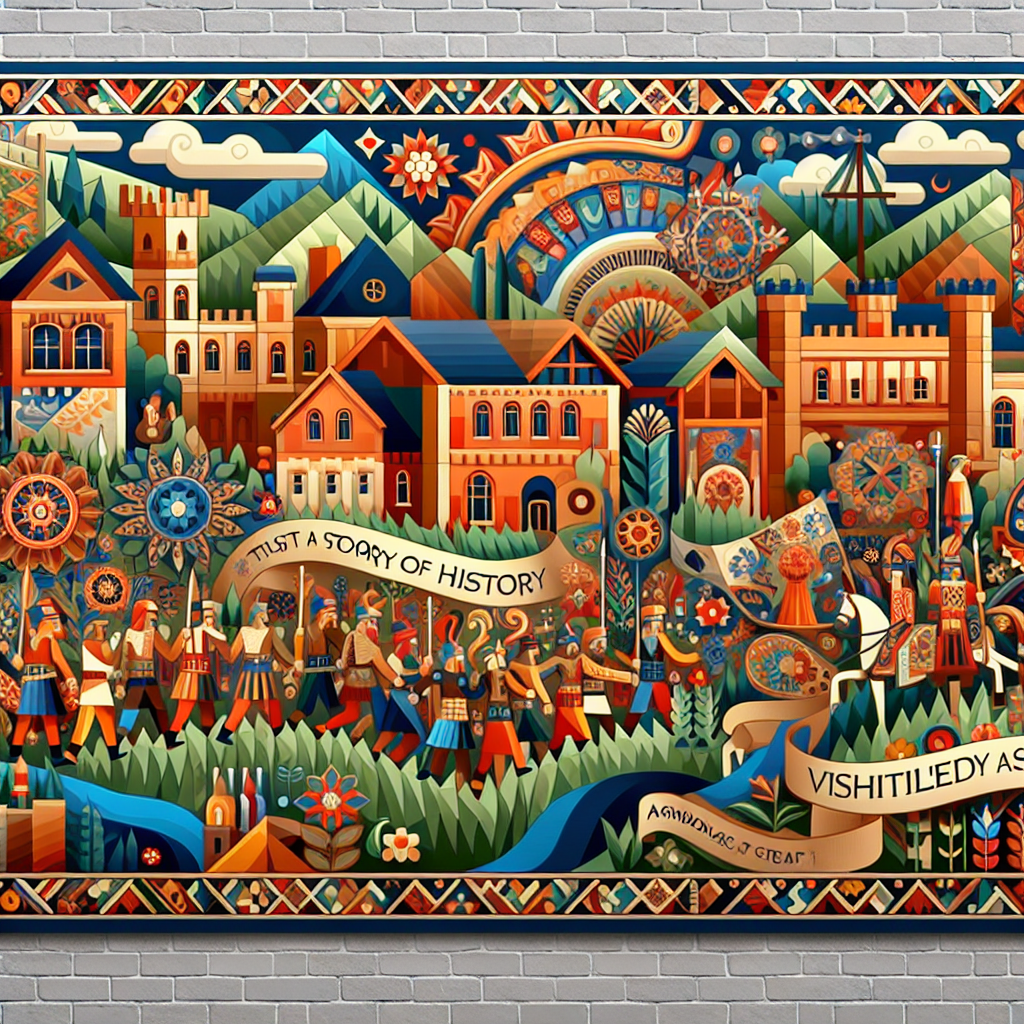

The Bais Clan: A Tapestry of History and Culture
Imagine a tapestry woven with threads of history, culture, and tradition, and you might begin to understand the rich legacy of the Bais clan. The Bais are a prominent clan primarily found in the Indian subcontinent, particularly in the regions of Uttar Pradesh and Bihar. Their history dates back centuries, with roots deeply embedded in the socio-political fabric of the region. The Bais clan has been influential in various spheres, including politics, agriculture, and social reform, making them a significant part of the cultural mosaic of India.
The Bais clan is traditionally associated with the Kshatriya varna, which is one of the four varnas in the Hindu social order. This classification historically designated them as warriors and rulers, a role that many members of the clan have embraced over the centuries. The Bais have been known for their valor and leadership, often playing crucial roles in regional governance and defense. Their influence is not just historical; many Bais continue to hold significant positions in contemporary Indian politics and society.
Understanding the Bais clan requires a look at their historical context. During the medieval period, the Bais were known to have established several principalities and were often involved in the power dynamics of the region. They were patrons of art and culture, contributing to the architectural and cultural heritage of the areas they ruled. The Bais Rajputs, as they are often referred to, have a legacy that includes tales of bravery and strategic acumen, which are celebrated in local folklore and history.
In modern times, the Bais clan has diversified beyond their traditional roles. Many have ventured into various professions, including business, education, and public service. This shift reflects broader societal changes in India, where traditional caste roles are evolving. However, the Bais continue to maintain a strong sense of identity and community, often coming together to celebrate their shared heritage and cultural practices.
The Bais clan's story is not without its challenges. Like many traditional communities, they have had to navigate the complexities of modernity while preserving their cultural identity. Issues such as caste-based discrimination and the pressures of globalization have posed significant challenges. However, the resilience of the Bais community is evident in their ability to adapt and thrive in changing times.
Critics of the caste system might argue that the historical privileges associated with clans like the Bais have contributed to social inequalities. This perspective highlights the need for a more equitable society where opportunities are not determined by one's birth. On the other hand, supporters of preserving cultural identities emphasize the importance of maintaining traditions and the positive contributions of clans like the Bais to society.
The Bais clan's journey is a testament to the dynamic interplay between tradition and modernity. Their story is one of adaptation, resilience, and cultural pride. As India continues to evolve, the Bais, like many other traditional communities, will play a crucial role in shaping the country's future. Their legacy is a reminder of the rich tapestry of cultures that make up the Indian subcontinent, each thread contributing to the vibrant and diverse fabric of the nation.