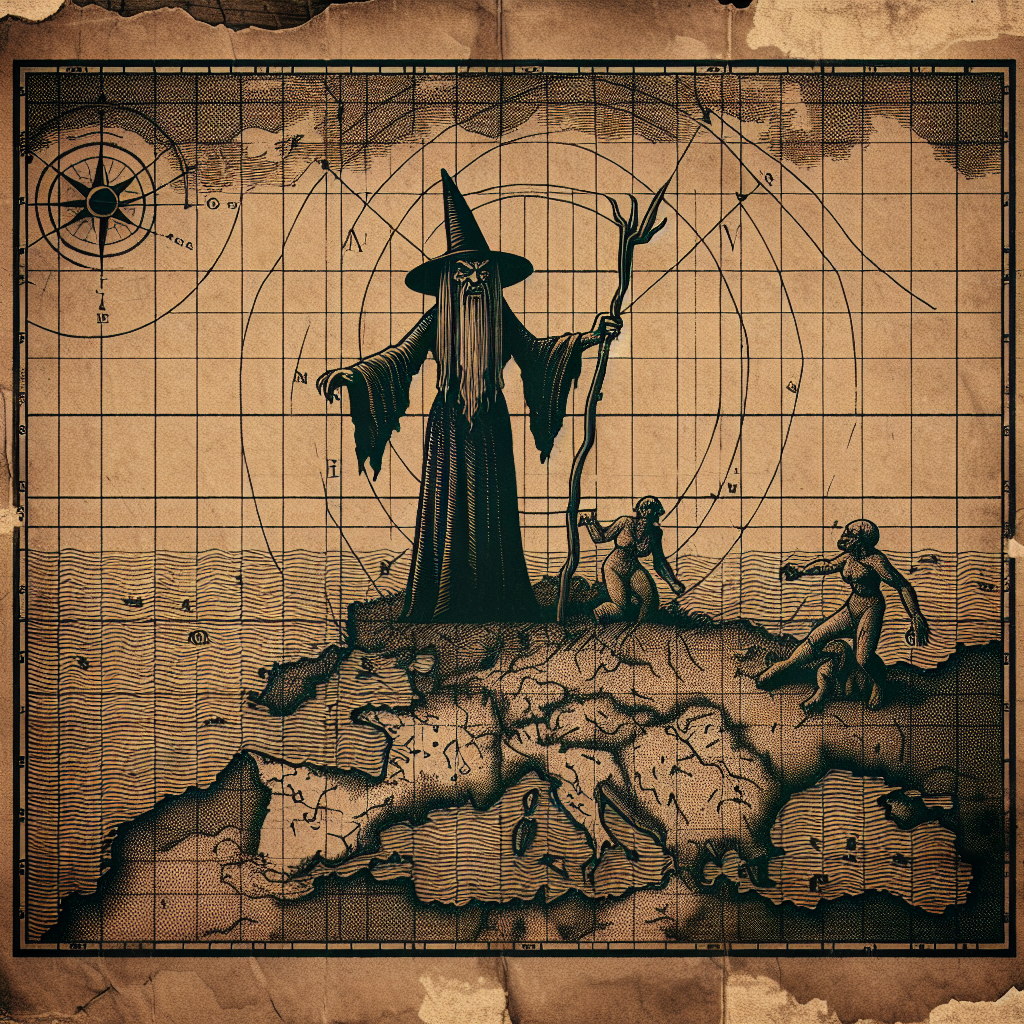

Once upon a time, when spooky stories flickered in candlelit rooms, "Bad Witch" was the villain sweeping through narratives of magic and mystery. Who knows who contrived their sinister image, but it's clear these cauldron-stirring figures have long stirred the pot of social norms. The metaphorical broomstick ride of these misunderstood figures has been a winding journey, beginning in eras dictated by superstition and fear. This stigmatization echoed throughout continents, etching the archetype of the bad witch into the fearful consciousness of generations past, from historical trials in the cobblestone streets of Salem to fantastical realms sketched in modern media.
In the silk of folklore, witches are often draped in shadows, painted in ominous hues. But let's consider that the fear surrounding them was more about what they represented than their actions. Independent women, holders of knowledge, and wielders of mysterious powers, witches were seen as threats to the patriarchal structure. Society often demonizes what it can't understand or what challenges its conventions, and the witch archetype ended up on the receiving end of such a phenomenon.
The infamous Salem Witch Trials of 1692 become a legendary case study of this dynamic. More than 200 people were accused; twenty were executed. The panic stemmed not from actual witchcraft but from a toxic brew of religious extremism, economic conditions, gender politics, and misconceptions. While history remembers the victims as witches, they were more so victims of mass hysteria and deeply rooted sexism.
Fast forward to today's world where witches have morphed into symbols of empowerment. Instead of cloaked in darkness, modern "witches" are embracing the title as a badge of freedom, individuality, and connection to nature. This evolution speaks volumes about how society's values shift with time. Being a witch now signals a rebellion against oppressive norms, embodying a do-what-you-feel attitude that resonates with movements like feminism and LGBTQIA+ rights.
Of course, not everyone embraces this transformation. The label "witch" still conjures fear in various communities, often due to religious beliefs or traditional teachings that view witchcraft as malicious or deceitful. While it’s crucial to respect such viewpoints, the conversation around witchcraft today is more nuanced and inclusive. Modern witchcraft often aligns with spiritual practices focusing on personal enlightenment and respect for the earth, distancing itself from the negative historical connotations of hexes and potions.
The portrayal of witches in media has also evolved. From the terrifying Wicked Witch of the West in "The Wizard of Oz" to the empathetic characters found in series like "Chilling Adventures of Sabrina" and "American Horror Story: Coven," we witness a cultural shift. These portrayals reflect society's growing interest in the 'gray areas' of moral existence, moving away from simplistic good versus evil narratives.
What draws Gen Z—and many others—to the reimagined witch is the blending of old wisdom with new ideals. This generation values authenticity and sustainability, core tenets mirrored in modern witchcraft. Rituals that honor the environment or promote self-care and community over consumerism resonate widely.
However, we must ask ourselves—are we diluting an important cultural history for the sake of trendiness? Some view the commodification of witchcraft in mainstream culture as disrespectful, an oversimplification of deeply rooted practices. Others argue it's a natural progression in our ever-evolving society, offering hope that it might even promote deeper cultural understanding.
Examining the bad witch trope over time unveils much about society's history, fears, and growth. While witches have transformed from sinister tales to symbols of defiance and empowerment, the inherent complexities emphasize tolerance, evolving cultural dynamics, and an appreciation for the mysterious unknown.