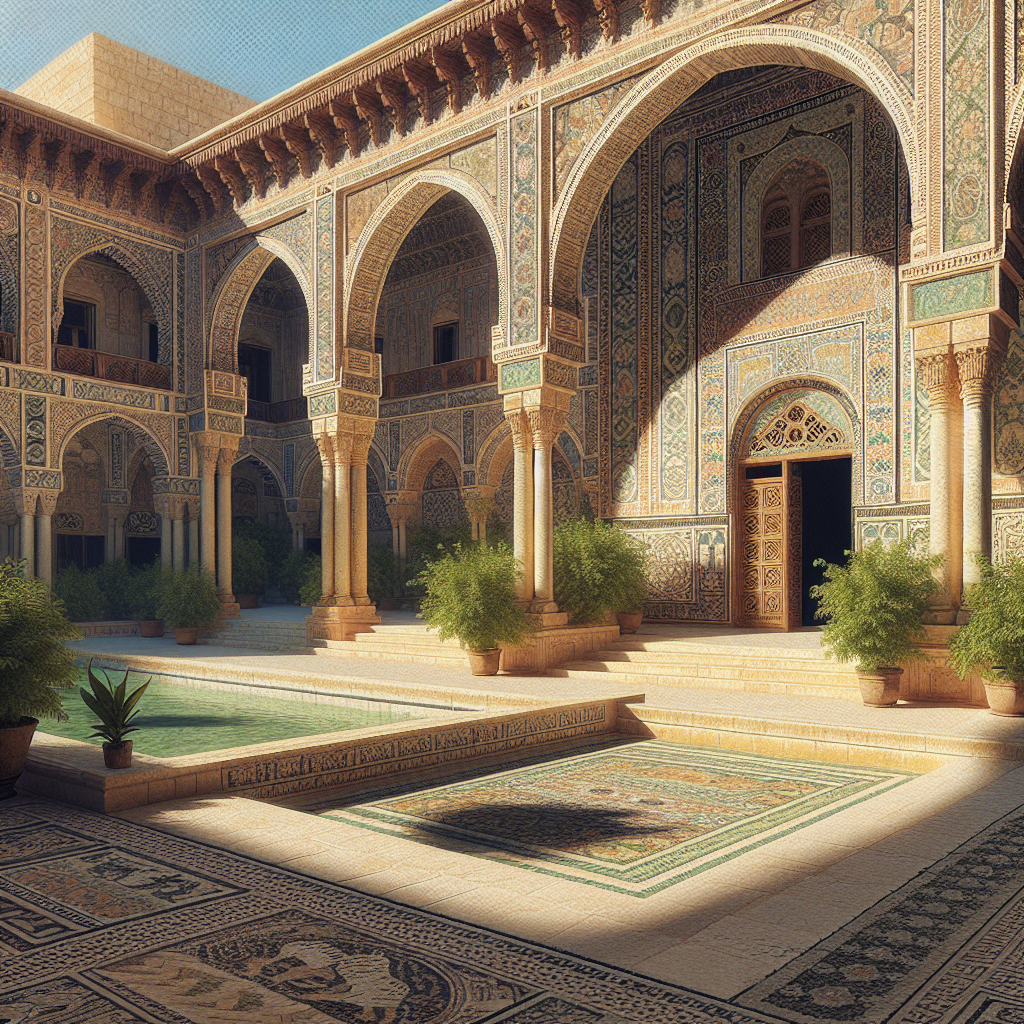

The Enigmatic Azm Palace: A Glimpse into Syria's Rich History
Imagine stepping into a time machine that whisks you away to the 18th century, where you find yourself in the heart of Hama, Syria, surrounded by the grandeur of Azm Palace. Built in 1742 by As'ad Pasha al-Azm, the Ottoman governor of Damascus, this architectural marvel stands as a testament to the opulence and cultural richness of its era. Located in the bustling city of Hama, Azm Palace was originally constructed as a residence for the governor and his family, showcasing the intricate artistry and craftsmanship of the time. The palace is a symbol of Syria's historical significance and cultural heritage, drawing visitors from around the world who are eager to explore its ornate halls and lush gardens.
Azm Palace is not just a relic of the past; it is a living museum that offers a window into the lifestyle and traditions of the Ottoman period. The palace's architecture is a blend of Ottoman and local Syrian styles, featuring exquisite stonework, wooden ceilings, and beautifully decorated rooms. Each corner of the palace tells a story, from the grand reception halls to the private family quarters, all meticulously preserved to reflect the splendor of the 18th century. The palace also houses a museum that showcases artifacts and exhibits related to the history and culture of Hama, providing visitors with a deeper understanding of the region's past.
While Azm Palace is a source of pride for many Syrians, it also serves as a reminder of the country's complex history. The palace has witnessed numerous historical events and changes in power, reflecting the turbulent times that have shaped Syria over the centuries. For some, the palace represents a bygone era of prosperity and cultural flourishing, while for others, it is a symbol of the challenges and struggles that the region has faced. This duality makes Azm Palace a fascinating subject for historians and tourists alike, as it encapsulates the resilience and enduring spirit of the Syrian people.
In recent years, the ongoing conflict in Syria has posed significant threats to the preservation of Azm Palace and other historical sites. The palace has suffered damage due to the violence and instability in the region, raising concerns about the future of Syria's cultural heritage. Efforts are being made by local and international organizations to protect and restore these invaluable sites, recognizing their importance not only to Syria but to the world. The preservation of Azm Palace is crucial for future generations to appreciate and learn from the rich tapestry of history that it represents.
Despite the challenges, Azm Palace continues to stand as a beacon of hope and resilience. It serves as a reminder of the beauty and complexity of Syria's past, offering a glimpse into a world that, while distant, still resonates with the present. For those who visit, the palace is more than just a historical site; it is a testament to the enduring spirit of a nation and its people. As we look to the future, the preservation of Azm Palace and other cultural landmarks remains a vital endeavor, ensuring that the stories and lessons of the past are not lost to time.