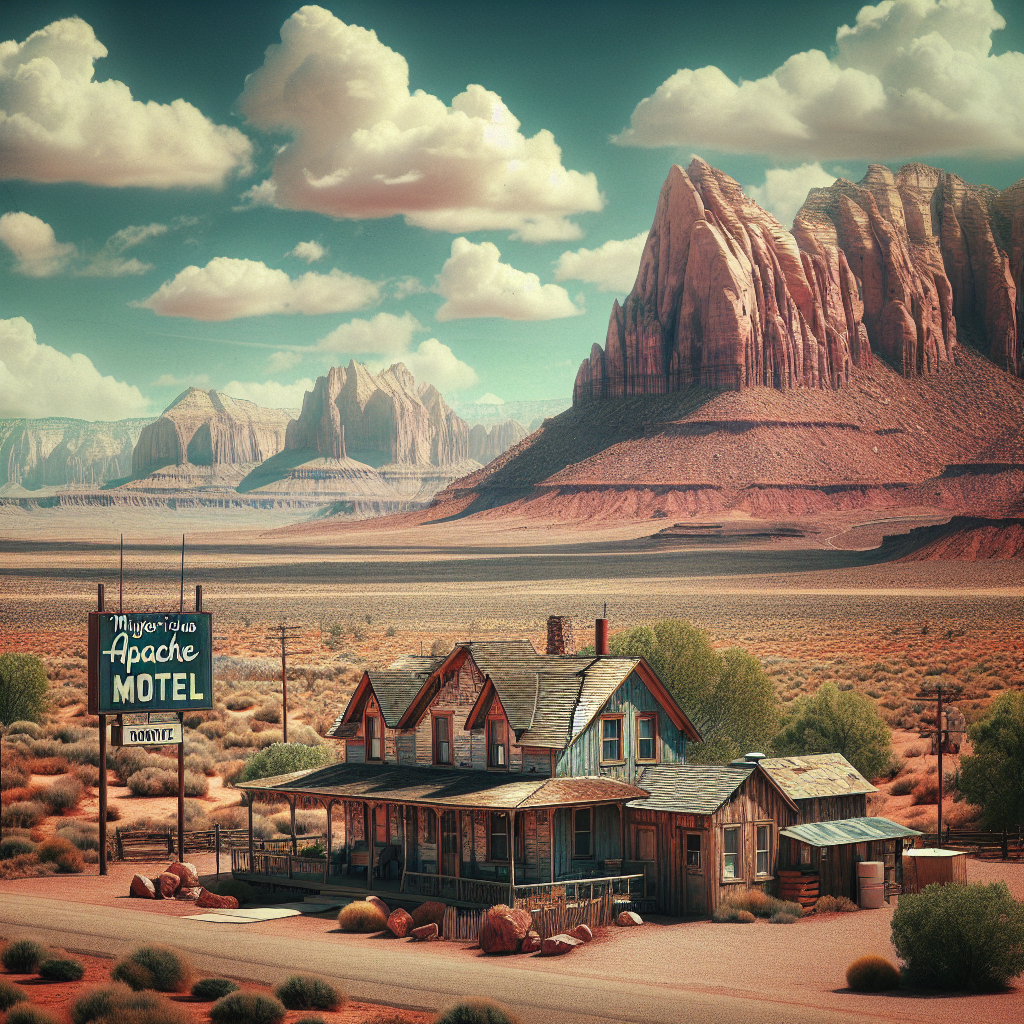

Imagine a place where the past lingers in the air, whispering stories of cowboys, travelers bounding across the desert, and the golden age of road trips. That place is the Apache Motel, located in the stunning red rock landscapes of Moab, Utah. First opening its doors back in the 1950s, this quirky establishment has watched decades slip by, yet it remains a curious time capsule for visitors embracing nostalgia.
Nestled in a town celebrated for outdoor adventures and breathtaking natural beauty, the Apache Motel offers a different kind of attraction. It's not polished or luxurious in the modern sense, but what it offers is authenticity. This was once a critical pit stop for weary drivers navigating the expansive and often unforgiving desert roads. Its proximity to Arches and Canyonlands National Parks makes it a prime location for those in pursuit of epic hikes and Instagram-worthy landscapes. Even John Wayne rested his hat here, lending his cowboy swagger to the hotel's rich lore when he filmed in the red rock canyons surrounding Moab.
Staying at Apache Motel is like stepping onto a movie set of a forgotten era. The mid-century architecture, with its sharp lines and subdued colors, teeters between kitsch and classic. These days, the debate about preserving such landmarks or modernizing them fuels cultural discussion. Some argue these places serve as historical reminders, while others feel updating them is necessary to accommodate present-day expectations of comfort and sustainability.
Walking its hallways, you’ll notice the decor—a throwback to simpler times. Retro and bold yet inviting, the motel rooms have remained significantly unchanged. White and beige hues accented by mustard yellows and deep browns dominate the area, resembling scenes from an old postcard. It’s a testament to a time when road trips were synonymous with American freedom, evoking self-discovery on winding roads under blue skies. To many, Apache Motel stands as a symbol of such exploration—a sanctuary as well as a launchpad.
It’s easy to see why some might resist updating these sites. They serve as cultural pieces, preserving a physical space where history once took its routine course. They act like living displays from an exhibit that doesn't require hushed tones or glass cases. These relics tell tales outside of history books, and some argue they should remain intact as genuine reflections of their periods.
Yet, there are those who advocate for evolution, highlighting sustainability concerns that older, less-efficient infrastructures pose. Old buildings might not meet today's environmental standards, consuming more energy and generating more waste compared to more modern, eco-friendly constructions. It's crucial to also consider accessibility for people with disabilities, which may not have been a design priority back in the motel’s golden years. Balancing preservation with progress is more than a practical concern; it’s a philosophical dialogue about honoring history while meeting today’s social and environmental needs.
Moab has grown over the decades, adapting to the millions who visit the national parks and indulge in the outdoor activities it offers. In this context, Apache Motel stands peculiarly still. It's a consistent piece of Moab's ever-changing puzzle, a steadfast constant amidst the new coffee shops, luxury hotels, and burgeoning crowds that now fill the town’s streets.
Today, stepping into the Apache Motel feels like a small act of rebellion. Choosing this piece of history over modern amenities is a choice to cling to fading Americana. It challenges the fast-paced, tech-heavy lifestyle that defines much of contemporary living. There’s a satisfaction in sitting on its somewhat lumpy lounge chairs, where so many others have before, breathing in the dry desert air cooled by an old rattling air conditioner.
The Apache Motel remains a testament to the era it was born from, quietly defiant against change, yet embracing those who walk through its doors. As you stay there, remember it’s more than just a place to rest your head—a reminder of moments that stitched together not just a town, but a nation’s shared consciousness. While its fate may swing either to preservation or renewal, its legacy is undeniable, and its story, etched in the heart of the American West, continues.