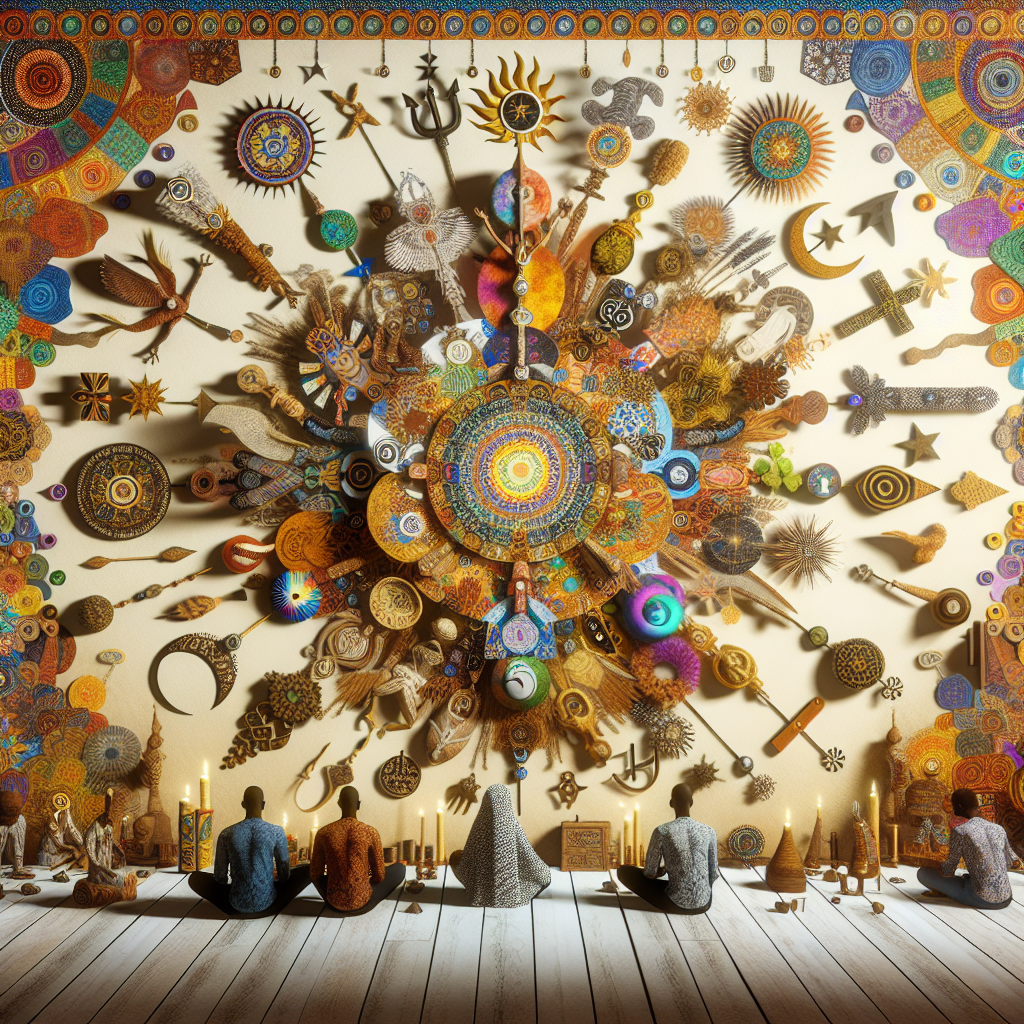

The Vibrant Tapestry of African Diaspora Religions
Imagine a world where spirituality dances to the rhythm of drums, where the divine is found in the rustle of leaves, and where ancestors whisper wisdom through the winds. This is the world of African diaspora religions, a rich and diverse tapestry of beliefs and practices that have spread across the globe. These religions, which include Santería, Vodou, Candomblé, and others, originated in Africa and were carried to the Americas and the Caribbean by enslaved Africans from the 16th to the 19th centuries. They have since evolved, blending with indigenous and European traditions to create unique spiritual systems that continue to thrive today.
African diaspora religions are practiced by millions of people worldwide, particularly in countries like Brazil, Cuba, Haiti, and the United States. These religions are often characterized by their vibrant rituals, which include drumming, dancing, and singing, as well as their deep connection to nature and the spirit world. They emphasize the importance of community, the veneration of ancestors, and the belief in a pantheon of deities or spirits that influence the human world.
One of the most fascinating aspects of African diaspora religions is their resilience. Despite centuries of oppression and attempts to suppress these beliefs, they have survived and even flourished. This resilience can be attributed to the adaptability of these religions, which have absorbed elements from other cultures while maintaining their core African identity. For example, in Santería, the Yoruba deities known as Orishas are often syncretized with Catholic saints, allowing practitioners to maintain their traditional beliefs under the guise of Christianity.
However, African diaspora religions are often misunderstood and misrepresented. In popular culture, they are frequently depicted as dark or sinister, a portrayal that stems from colonial and racist stereotypes. This has led to a stigma that practitioners must navigate, often keeping their beliefs private to avoid discrimination. Yet, for many, these religions offer a sense of identity, community, and spiritual fulfillment that is deeply meaningful.
Critics of African diaspora religions sometimes argue that these practices are superstitious or primitive. However, such views fail to recognize the rich philosophical and ethical frameworks that underpin these belief systems. Like any religion, they offer guidance on how to live a good life, how to treat others, and how to understand the world. They also provide a way to connect with one's heritage and history, offering a sense of continuity and belonging.
For those outside these traditions, understanding and respecting African diaspora religions can be a step towards greater cultural appreciation and inclusivity. It is important to approach these religions with an open mind and a willingness to learn, recognizing the beauty and wisdom they offer. By doing so, we can celebrate the diversity of human spirituality and honor the resilience of those who have kept these traditions alive.
In a world that often feels disconnected and fragmented, African diaspora religions remind us of the power of community, the importance of honoring our past, and the possibility of finding the sacred in the everyday. They invite us to listen to the rhythms of the earth, to dance with the spirits, and to find joy in the simple act of being alive. Through their vibrant practices and profound teachings, they offer a vision of a world where the divine is not distant, but present in every moment, waiting to be discovered.