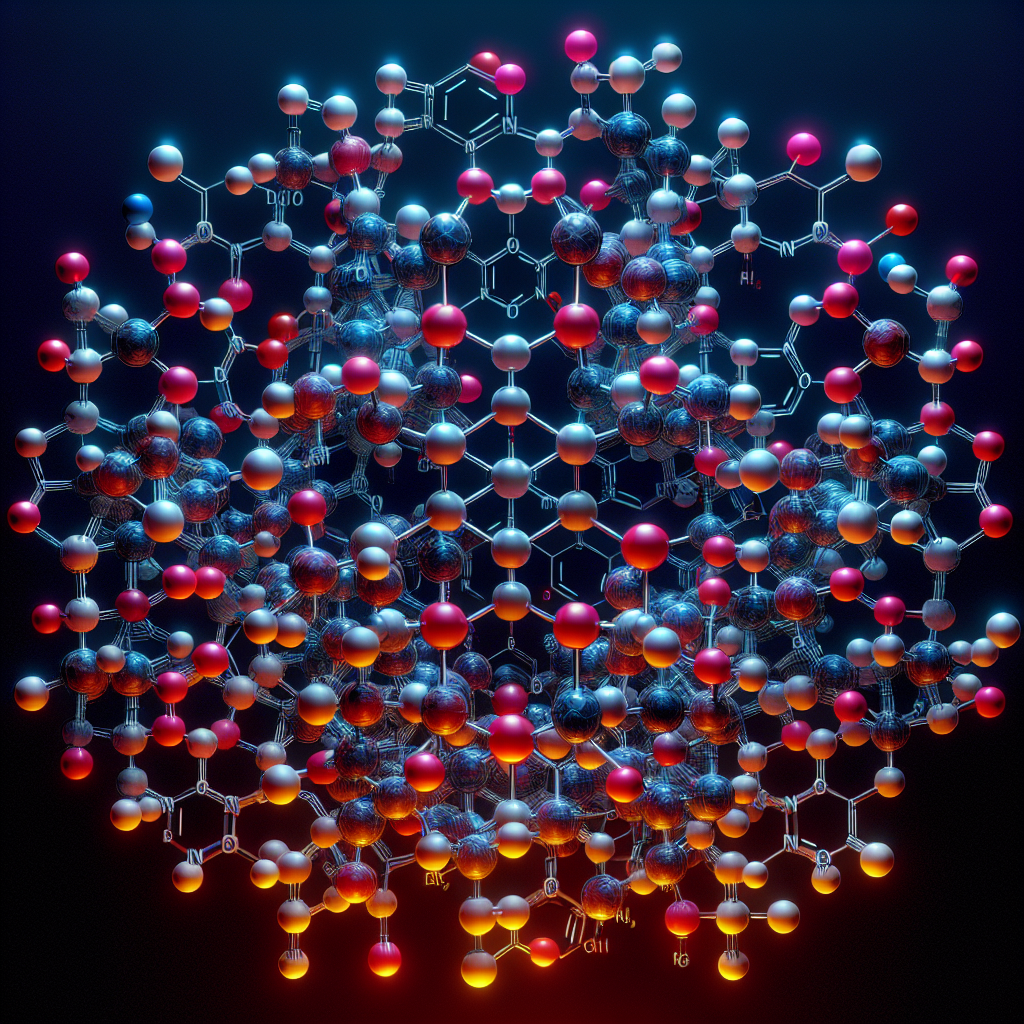

Ever wondered what makes some substances glow under UV light, producing that mesmerizing blue luminescence? Enter 9,10-Diphenylanthracene (DPA), a fascinating compound that has captivated scientists and hobbyists alike. But who brought this compound to life, and why does it glow? DPA was first synthesized amid the bustling innovation of the mid-20th century, at a time when chemists around the globe were unlocking the secrets of complex organic molecules. It's primarily studied and applied in advanced labs and manufacturing setups where photovoltaic devices and photoconductors are at play.
So, what exactly is DPA? It's a polycyclic aromatic hydrocarbon (PAH), which might sound intimidating but boils down to a molecule composed of fused benzene rings. PAHs, including DPA, are known for their stability and are found naturally in substances like coal and oil. But DPA stands out with its unique glowing property, a trait exploited for its role as a scintillator in scientific applications. Scintillation involves flashing of light, and DPA's ability to efficiently re-emit absorbed energy as visible light makes it perfect for the job.
The magic behind DPA's luminescence stems from a phenomenon known as fluorescence. When DPA absorbs light energy, it gets excited to a higher energy state. As it returns to its ground state, it releases energy in the form of light, typically blue, thanks to its molecular structure. This characteristic isn’t just a pretty party trick—it's pivotal in technologies like OLED displays and radiation detection.
However, the production and use of DPA don't come without challenges. One issue is its relatively low solubility, which limits its use in some applications. Researchers are constantly tinkering with its molecular structure to enhance its solubility and usability. Moreover, like many PAHs, DPA poses environmental concerns. When improperly disposed of, it can contribute to pollution due to its persistent nature. This prompts a need for responsible handling and disposal practices. Those who study chemical sciences or work in environmental fields often advocate for stricter regulations around these substances. They emphasize the importance of developing alternatives or enhancing existing compounds to mitigate any adverse environmental impacts.
From an innovative standpoint, DPA is used in organic LEDs, where its luminous properties are harnessed to provide brilliant display screens. Watching your favorite series on an OLED screen might not feel the same when you realize part of its vibrant color could be due to this shimmering chemical. As we march towards more sustainable tech solutions, DPA might play a role in cutting-edge renewable energy technologies. Solar panels can potentially benefit from its ability to shift sunlight into more usable forms of energy.
Nevertheless, there are debates in the tech community. While champions of DPA praise its efficiency and contribution to device performance, others argue against the environmental costs and potential health risks. It's a classic trade-off scenario—a balance between technological advancement and ecological preservation. From the liberal perspective, there's a push for policies that compel industries to invest more in renewable and biodegradable alternatives. Advocates argue that the economic cost of transitioning to greener solutions now is far smaller than the potential future cost of addressing unchecked environmental degradation.
Yet, opposing perspectives shouldn't be dismissed. Those favoring the status quo might point out the current lack of equally efficient alternatives, emphasizing ongoing research as a buffer rather than an immediate overhaul. It's a stance that underscores the pragmatic aspects of innovation; finding immediate disruptions isn't always feasible. The debate showcases an inherent tension—balancing immediate human technological needs with long-term planetary health.
Generation Z seems to be increasingly aware of these scientific and ethical balances. Growing up alongside accelerating tech and environmental crises, they are acutely attuned to the promises and perils of innovation. Whether it's in classrooms or TikTok debates, their curiosity and willingness to learn about such niche topics as DPA might just propel progress. We might soon witness a generation determined not only to harness the power of molecules like DPA but also to steer their courses responsibly for a sustainable future.