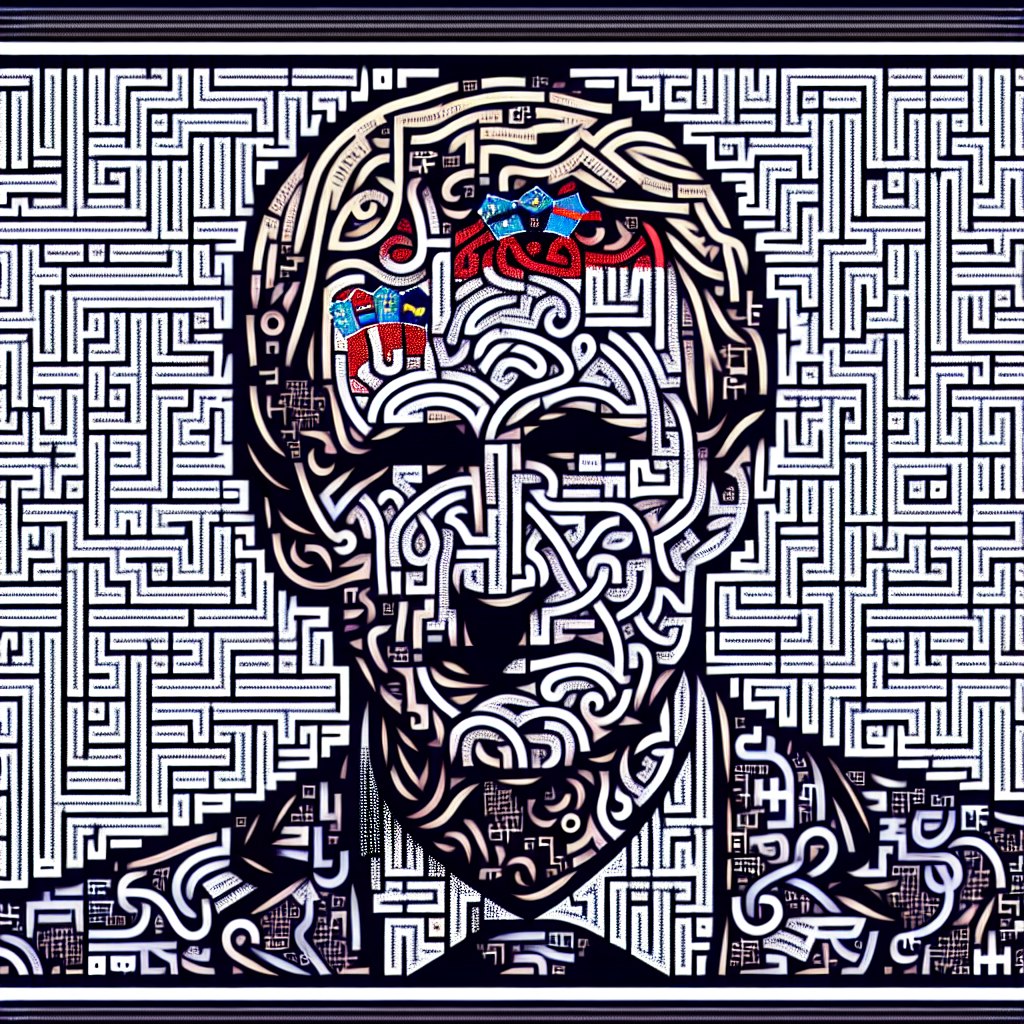

The Curious Case of Zlatko Mateša: Croatia's Political Enigma
Zlatko Mateša, a name that might not ring a bell for many outside of Croatia, is a fascinating figure in the world of politics. He served as the Prime Minister of Croatia from 1995 to 2000, a period marked by significant transition and change in the country. Mateša's tenure was a time when Croatia was finding its footing after the tumultuous years of the Yugoslav Wars. He led the nation from the capital, Zagreb, during a critical phase of post-war recovery and economic transformation. But why should anyone care about a former Croatian Prime Minister? Because his story is a testament to the complexities and contradictions of political leadership in a post-communist society.
Mateša's rise to power was anything but ordinary. He wasn't a career politician; in fact, he was an economist by training. This outsider status might have been his secret weapon, allowing him to navigate the murky waters of Croatian politics with a fresh perspective. His leadership style was pragmatic, focusing on economic reforms and international relations. He played a crucial role in stabilizing the Croatian economy, which was in shambles after the war. His government implemented policies that laid the groundwork for Croatia's eventual accession to the European Union. Yet, despite these achievements, his legacy remains a subject of debate.
Critics argue that Mateša's government was marred by corruption and cronyism, a common theme in many post-communist countries. The privatization process, which was supposed to revitalize the economy, often ended up benefiting a select few. This led to widespread disillusionment among the populace, who felt left behind in the new capitalist reality. Mateša's administration was also criticized for its handling of war crimes and human rights issues, with many accusing it of turning a blind eye to atrocities committed during the conflict. These controversies have left a lasting stain on his political career.
Despite these criticisms, Mateša's impact on Croatia's international standing cannot be ignored. He was instrumental in strengthening ties with Western countries and securing Croatia's place on the global stage. His efforts to integrate Croatia into European and transatlantic institutions were pivotal in shaping the country's future. Mateša's foreign policy initiatives helped Croatia transition from a war-torn nation to a respected member of the international community. This aspect of his legacy is often overshadowed by domestic controversies, but it remains a significant achievement.
Mateša's story is a reminder of the challenges faced by leaders in post-communist societies. Balancing economic reforms with social justice, navigating international relations while addressing domestic issues, and maintaining public trust in the face of corruption are daunting tasks. Mateša's tenure as Prime Minister was a balancing act, and while he may not have succeeded on all fronts, his contributions to Croatia's development are undeniable.
In the end, Zlatko Mateša's political journey is a reflection of the broader struggles faced by many countries transitioning from communism to democracy. His story is a cautionary tale of the pitfalls of rapid economic reform and the importance of accountability in governance. While his legacy may be contentious, it serves as a valuable lesson for future leaders navigating the complex landscape of post-communist politics.