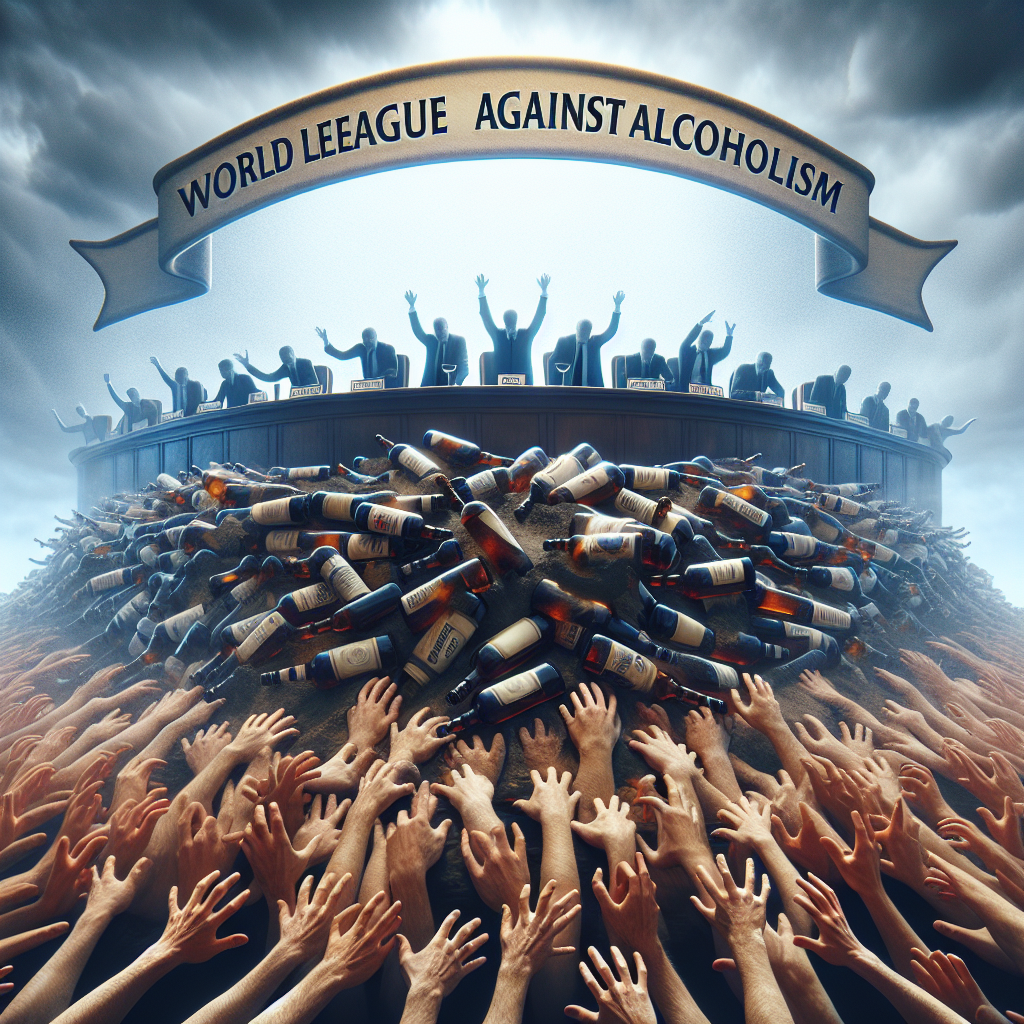

The World League Against Alcoholism: A Sobering Tale of Overreach
Imagine a world where a group of self-righteous do-gooders decide they know what's best for everyone and set out to impose their will on the masses. That's exactly what happened in 1919 when the World League Against Alcoholism was formed in Washington, D.C. This organization, driven by a puritanical zeal, aimed to eradicate alcohol consumption worldwide. Their mission was clear: to save humanity from the evils of alcohol, whether humanity wanted saving or not. The League's formation came hot on the heels of the United States' own Prohibition era, a time when the government decided that adults couldn't be trusted with their own choices.
The World League Against Alcoholism was a coalition of temperance organizations from around the globe, united in their quest to rid the world of alcohol. They believed that alcohol was the root of all societal ills, from crime to poverty to moral decay. Their solution? A global ban on alcohol. Because, you know, banning things always works so well. Just look at how successful the War on Drugs has been.
The League's efforts were not limited to the United States. They sought to influence governments worldwide, lobbying for prohibition laws and spreading their anti-alcohol propaganda far and wide. They held international conferences, published pamphlets, and even produced films to spread their message. They were like the original social justice warriors, but instead of fighting for equality, they were fighting for a world without booze.
Their tactics were as aggressive as they were misguided. They used fear-mongering and moral panic to sway public opinion, painting alcohol as a demon that needed to be exorcised from society. They ignored the fact that alcohol had been a part of human culture for thousands of years, used in religious ceremonies, social gatherings, and even as medicine. They dismissed the idea that adults could enjoy alcohol responsibly, instead portraying anyone who took a sip as a potential drunkard.
The League's efforts were not without consequences. In countries where prohibition laws were enacted, the results were disastrous. Instead of reducing crime, prohibition led to the rise of organized crime syndicates that profited from the illegal alcohol trade. Instead of improving public health, prohibition led to the consumption of dangerous, unregulated alcohol that caused illness and death. Instead of creating a more moral society, prohibition led to widespread corruption as law enforcement officials were bribed to look the other way.
The World League Against Alcoholism's crusade was ultimately a failure. By the mid-20th century, most countries had repealed their prohibition laws, recognizing that the cure was worse than the disease. The League's influence waned, and it eventually faded into obscurity. But the legacy of their misguided mission lives on, a cautionary tale of what happens when a group of self-appointed moral guardians decide they know what's best for everyone else.
The World League Against Alcoholism serves as a reminder of the dangers of overreach and the importance of personal freedom. It's a lesson that some people still haven't learned, as evidenced by the continued efforts of certain groups to impose their will on others. Whether it's banning plastic straws, regulating sugary drinks, or censoring speech, the impulse to control and dictate is alive and well.
So, the next time someone tries to tell you how to live your life, remember the World League Against Alcoholism and their failed crusade. Remember that freedom means the right to make your own choices, even if those choices aren't always perfect. And remember that the road to hell is paved with good intentions, especially when those intentions involve telling other people what to do.