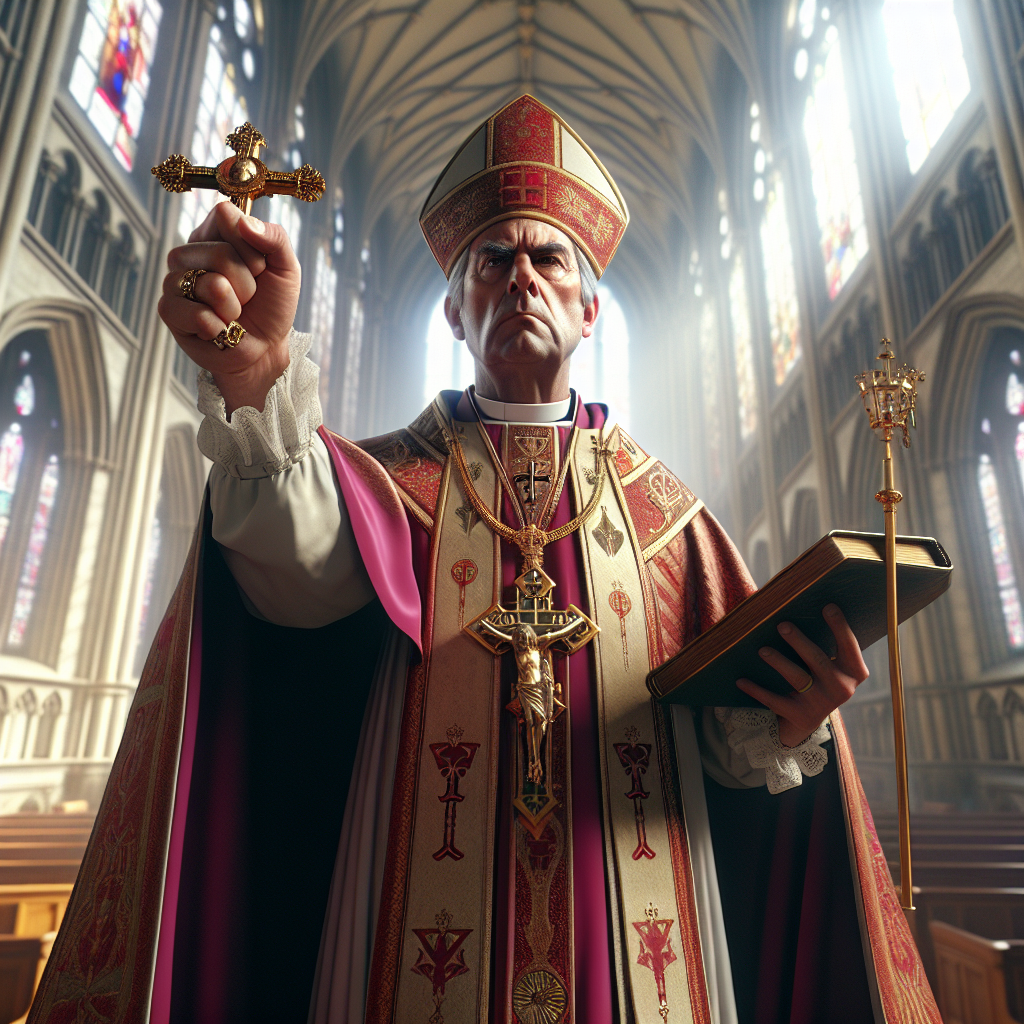

William Sancroft: The Archbishop Who Defied a King
Imagine a time when standing up to a king could cost you everything. That's exactly what happened in 1688 when William Sancroft, the Archbishop of Canterbury, took a bold stand against King James II in England. Sancroft, a man of principle and faith, found himself at the center of a political storm that would change the course of British history. The king, a Catholic, was trying to impose his will on the Church of England, and Sancroft wasn't having any of it. This clash of titans took place in the heart of London, where the Archbishop's refusal to read the king's Declaration of Indulgence from the pulpit set off a chain of events that would lead to the Glorious Revolution.
Sancroft's defiance was not just a matter of personal conviction; it was a stand for religious freedom and the rights of the Church. He believed that the king's declaration, which aimed to grant religious tolerance to Catholics and dissenters, was an overreach of royal power. Sancroft and six other bishops petitioned against it, arguing that it was illegal without Parliament's consent. This act of resistance was a bold move, considering the king's authority and the potential repercussions. But Sancroft was not one to be easily intimidated.
The king, furious at this challenge to his authority, had Sancroft and the other bishops arrested and tried for seditious libel. The trial was a spectacle, drawing massive public interest and support for the bishops. When the jury acquitted them, it was a significant blow to the king's power and a victory for those who valued the rule of law over royal decree. Sancroft's courage in the face of tyranny was a testament to his unwavering commitment to his principles.
Sancroft's actions were not just about opposing the king; they were about preserving the integrity of the Church of England. He understood that the king's attempts to manipulate religious practices were a threat to the church's independence. By standing firm, Sancroft was protecting the church from becoming a tool of the monarchy. His leadership during this tumultuous time was crucial in maintaining the church's autonomy and ensuring that it remained a bastion of Protestant faith.
The events of 1688 were a turning point in British history, leading to the Glorious Revolution and the eventual establishment of a constitutional monarchy. Sancroft's role in these events cannot be overstated. His defiance set the stage for a new era of governance, where the power of the monarchy was limited, and the rights of individuals and institutions were protected. Sancroft's legacy is one of courage and conviction, a reminder that standing up for what is right can have far-reaching consequences.
While some might argue that Sancroft's actions were politically motivated, it's clear that his primary concern was the preservation of religious freedom and the integrity of the church. He was a man of deep faith, and his decisions were guided by his commitment to his beliefs. In a time when the lines between church and state were often blurred, Sancroft's stand was a powerful statement about the importance of maintaining that separation.
Sancroft's story is a fascinating chapter in the history of the Church of England and the British monarchy. It serves as a reminder that even in the face of overwhelming power, individuals can make a difference. His defiance of King James II was not just an act of rebellion; it was a stand for justice and the rule of law. Sancroft's legacy lives on as a symbol of the enduring struggle for religious freedom and the rights of individuals against the overreach of authority.
In today's world, where the balance of power between government and religious institutions is still a topic of debate, Sancroft's story is more relevant than ever. It challenges us to consider the importance of standing up for our beliefs, even when it means going against the tide. Sancroft's courage and conviction continue to inspire those who value freedom and justice, reminding us that the fight for these principles is never truly over.