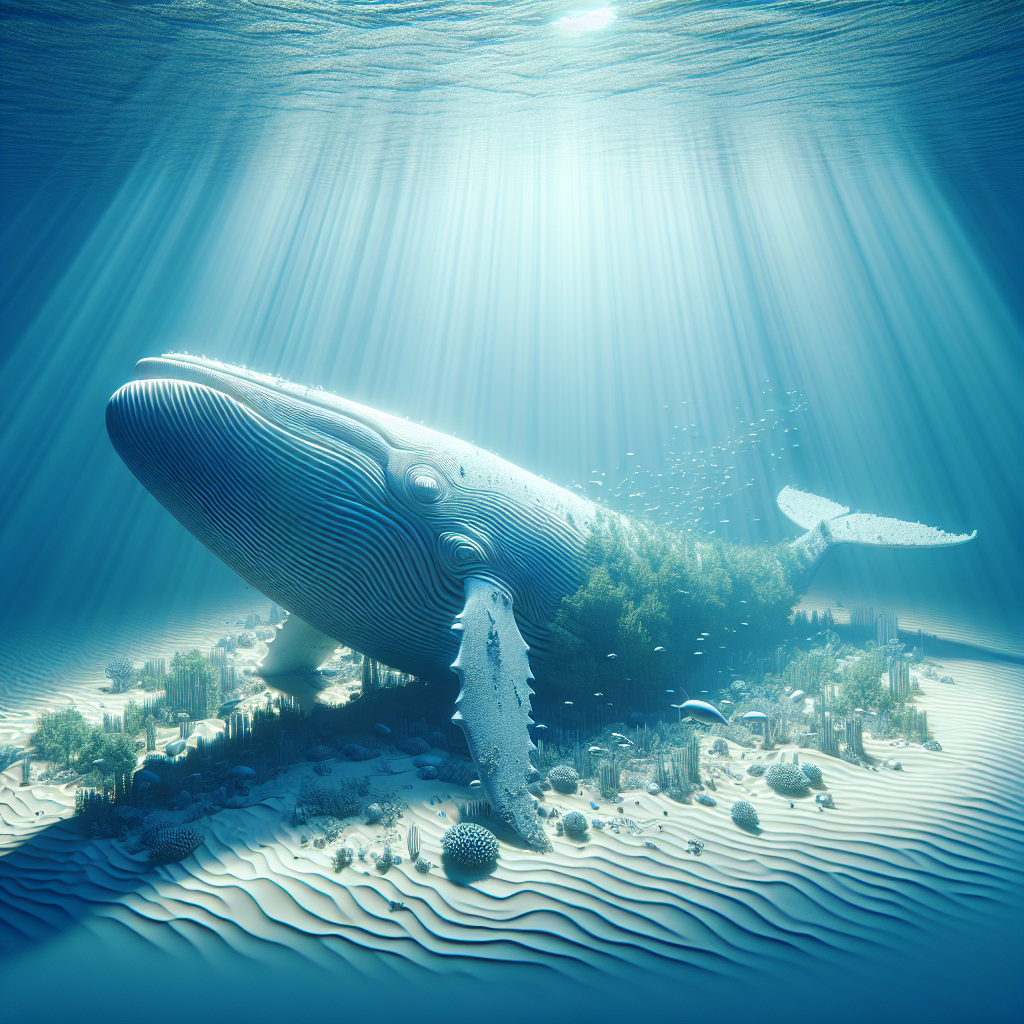

Imagine a world where the death of a giant whale creates a buzzing, thriving community on the ocean floor. This isn't a Netflix fantasy special, but a captivating reality in our vast oceans known as 'whale fall.' When a whale dies, its body, naturally, sinks to the ocean floor, becoming a crucial and unexpected resource for deep-sea creatures. This fascinating cycle was first documented in the Atlantic Ocean during the late 20th century and has since been observed worldwide, providing a unique benefit to ocean biodiversity.
Intriguingly, the primary players in this underwater drama are tiny, often ignored creatures like scavenger fish, crustaceans, and even bacteria. While most focus their environmental concerns on flashy topics with immediate media allure, the whale fall teaches us crucial lessons about ecological balance and interdependence.
Natural Recycling at Its Best: Whale falls are the ocean’s equivalent to nature’s recycling. As soon as the whale carcass hits the ocean floor, scavengers are the first responders to this call. Sharks, hagfish, and crabs begin feasting. Their conductive work paves the way for a more complex series of ecological interactions, the likes of which many never appreciate.
Step Aside Modernity!: Whale falls remind us that human intervention often meddles where it isn't needed. Nature has its own way of maintaining balance. Think about that next time you hear a city-dweller pontificate on how humans must 'save' every pocket of nature.
Underestimating the Small Guys: It's not just the big fish that benefit from a whale fall. As scavengers strip down the flesh, smaller decomposers like worms and crustaceans thrive in this feast. They dismantle the bones, releasing nutrients that fuel life in one of the least inhabited zones on our planet.
A Lesson in Humility: There's a vital conservation lesson that goes beyond unthinking human duplicity in environmental debate. These fallen giants inadvertently teach us about the interconnectedness of life. There’s a beauty in how their death breathes life into a diverse range of organisms, a concept that eludes those who think preservation means barring humanity from the environment.
The Eternal Gift That Keeps Giving: As time goes on, microbes take their turn in this decaying saga. Bacteria convert the lipids within the bones into nutrients, which can sustain deep-sea ecosystems for decades. Allowing nature to run its course here produces benefits that speaking engagements or political grandstanding will never match.
Why Complexity Matters: When modern ideologies preach simplistic solutions to the complex issues of ecology, perhaps they should take a seat and observe this natural marvel. Whale falls illustrate how a single element entering an ecosystem becomes entwined in the larger web of life, creating benefits for countless organisms.
Death as a Source of Hope: It may be counterintuitive, but accepting death as a component of life can be incredibly reassuring. While it might not be what sells headlines, there’s a profundity in seeing death as a renewal process that reinforces healthy ecosystems.
No Need for Red Tape: Fortunately, whale falls are not regulated events. They’re devoid of bureaucratic constraints, and that's part of their success in supporting life. Unlike top-down regulation, nature orchestrates a seamless transition where all involved flourish.
Who Really Ignores Science?: We often hear about the need to 'follow the science.' Yet, how many are aware of whale falls' role in ocean economies? While many are keen on following the loud voices on climate change, few acknowledge phenomena like whale fall that operate independently of human mandates.
Embarrassment of Riches Hidden Under the Sea: A whale fall's lifecycle can last for up to a century, proof positive of nature’s long-term investment. This shouldn't come as a shock. After all, nature operates on scales that fly in the face of manicured lawns and falsely manufactured scarcity.
Perhaps it’s time to better understand how the death of a whale contributes to the roll of life in the ocean. Real ecological lessons can be drawn here, ones that teach sustainability without the onus of overbearing legislation. So next time someone advocates for changing the world, they might want to stop and learn how the ocean has been managing just fine on its own.