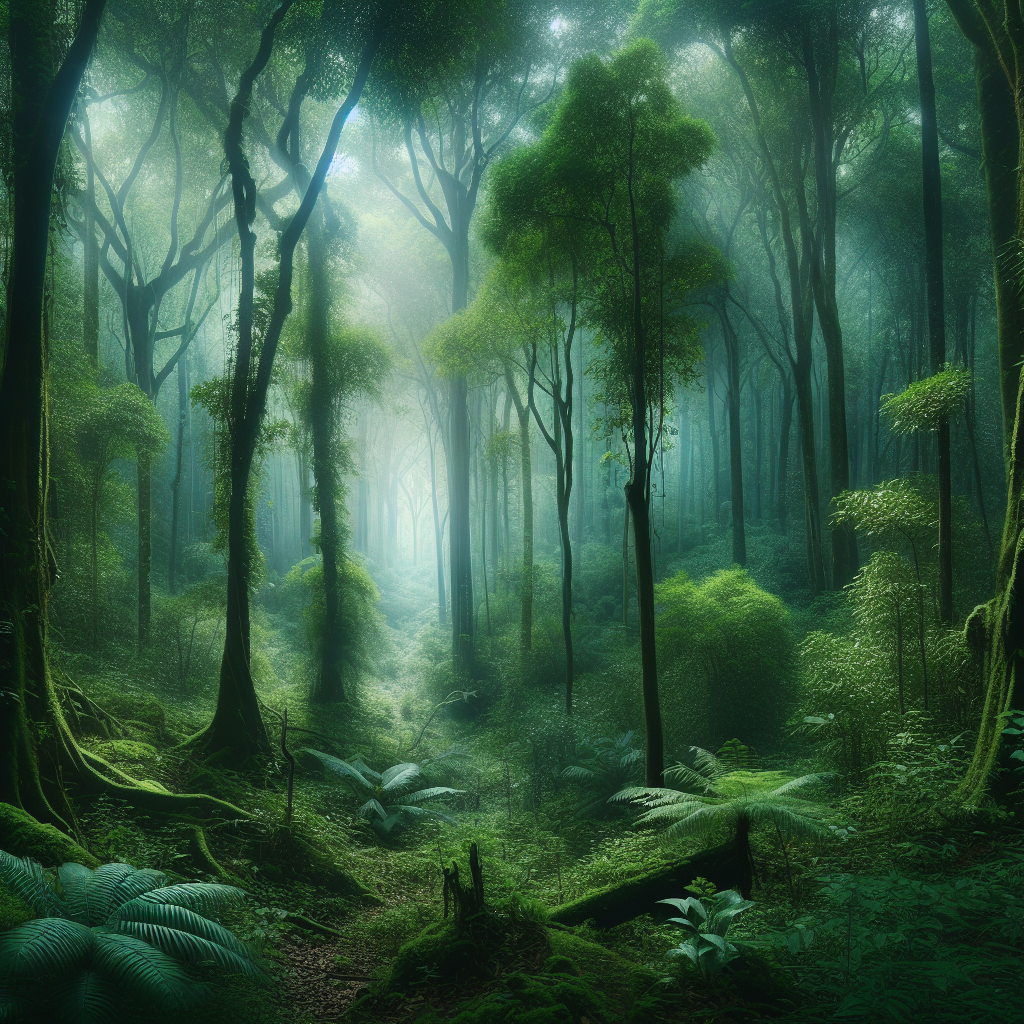

Wet woodlands, the real underdogs of the natural world, are ecosystems where trees thrive in waterlogged, boggy soils, usually found in lowland areas across Europe and parts of the USA. You might come across them during your travels, often nestled alongside rivers and streams. These marshy woods thrive in a blend of Alder, Willow, and Birch trees, playing a crucial role in biodiversity conservation, flood management, and carbon storage, something the environmental elite doesn't want you to fully appreciate.
Let's get real—if we ignored all the armchair theories about climate change and just focused on sheer natural utility, wet woodlands would be the star of the show. Want a way to stop flooding in rural areas? These trees create natural dead zones that slow water flow, reducing those costs big-government types rack up in flood prevention and damage control. Biodiversity? This is where it truly thrives. Insects, birds, and mammals find shelter among the dense, wet trunks, showcasing Mother Nature’s ability to support a spontaneous and sustainable life cycle without human intervention.
Carbon storage, you say? Wet woodlands are ecological carbon vaults. When much of the global conversation fixates on carbon reduction via electric cars and high-tech gizmos, we could be turning our focus to these soggy marvels. Their saturated soils store carbon more efficiently than any urban park, but who wants to talk about that when you can spend taxpayer dollars on wind turbines?
Conservation shouldn’t have to be a battleground topic. Still, the truth is, these woodlands are being eroded, often targeted by real estate developers or urban planners for drainage and land conversion. The environmental saviors up on their media pedestals would do well to sidestep industry interests and perhaps pay attention to tangible quick-fixes like protecting these natural sponges. Preserving this habitat wouldn’t cost much; the forest does the heavy lifting all by itself.
It’s time to give wetlands the spotlight they deserve and move them up from the minor leagues of the ecological consciousness. Why do we ignore something that effortlessly encapsulates climate resilience and economic pragmatism? Perhaps it’s because wet woodlands don’t scream for attention in flashy campaigns or don't easily lend themselves to virtue signaling.
Environmental stewardship can be as simple as getting behind what already works. Instead of bending over backward for an electric car that costs more to make (and runs on lithium from exploitative mines), lend a voice to these silent ecosystems just waiting to show their worth. Next time you're itching to plant a seed, consider standing up for wet woodlands, the miracle makers that often go unnoticed.