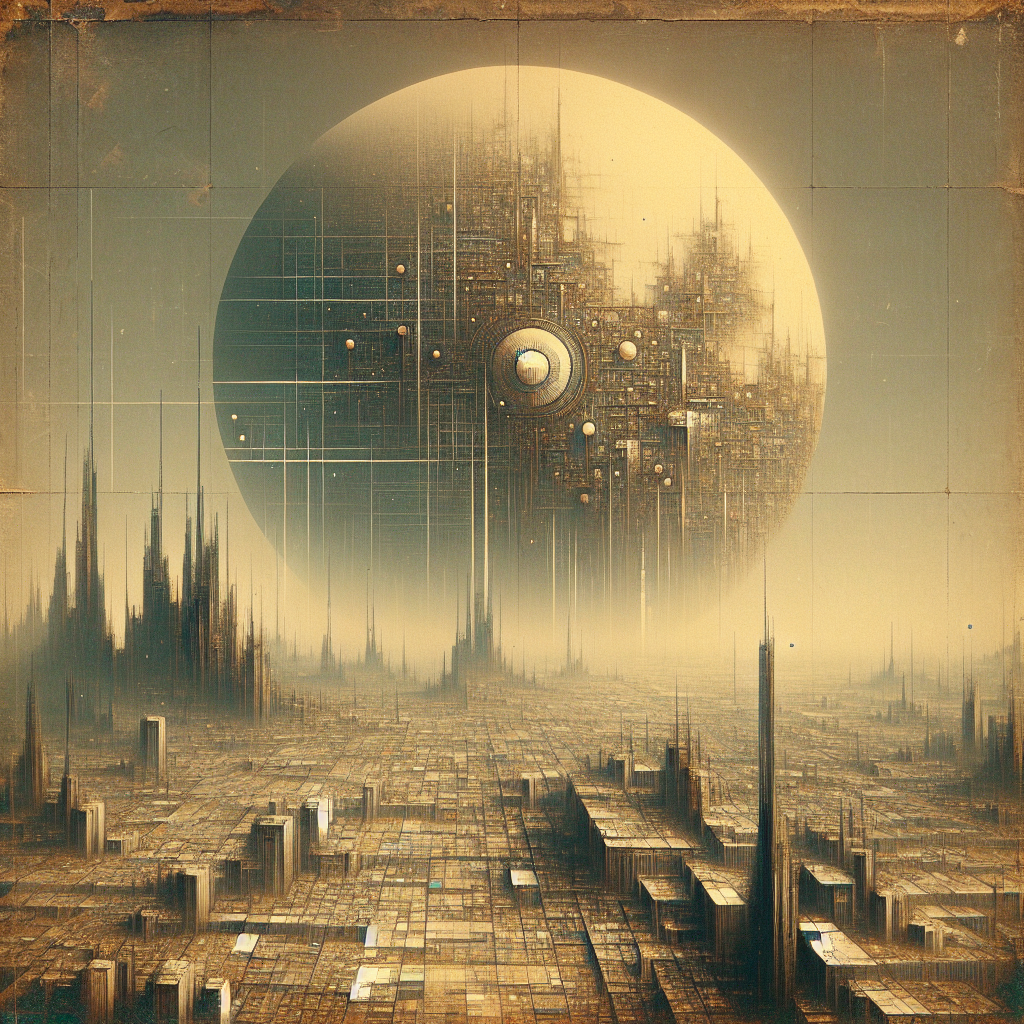

Viktor Antonov: The Visionary Behind Your Favorite Dystopias
Imagine a world where the lines between reality and fiction blur, where the gritty streets of a dystopian future come alive with every shadow and flicker of neon light. This is the world crafted by Viktor Antonov, the art director whose visionary work has shaped some of the most iconic video game landscapes of our time. Born in Bulgaria, Antonov has been a driving force in the gaming industry, particularly known for his work on the critically acclaimed "Half-Life 2" and "Dishonored." His unique ability to blend architectural realism with imaginative design has set a new standard for immersive environments in gaming.
Antonov's journey into the world of art direction began in the early 2000s when he joined Valve Corporation. It was here that he left an indelible mark on the gaming world with "Half-Life 2," released in 2004. The game's City 17, a hauntingly beautiful dystopian metropolis, is a testament to Antonov's skill in creating environments that are both believable and otherworldly. His work on "Half-Life 2" not only earned him accolades but also set a new benchmark for environmental storytelling in video games.
Fast forward to 2012, and Antonov's genius was once again on display with "Dishonored," developed by Arkane Studios. Set in the fictional city of Dunwall, the game is a masterclass in steampunk aesthetics, blending Victorian-era architecture with futuristic technology. Antonov's art direction was instrumental in creating a world that felt alive, with every corner of Dunwall telling a story of its own. His ability to create such richly detailed environments has made him a sought-after figure in the gaming industry.
But what makes Antonov's work truly stand out is his commitment to authenticity. He draws inspiration from real-world architecture and urban design, infusing his creations with a sense of realism that is often lacking in other video game worlds. This attention to detail is evident in every project he undertakes, whether it's the oppressive atmosphere of City 17 or the intricate streets of Dunwall. Antonov's work is a reminder that video games are not just about gameplay mechanics but also about creating worlds that players can lose themselves in.
Antonov's influence extends beyond the games he has worked on. His approach to art direction has inspired a new generation of game designers to prioritize environmental storytelling and world-building. By focusing on the details that make a world feel lived-in, Antonov has helped elevate video games to a form of art that rivals film and literature. His work challenges the notion that video games are mere entertainment, proving that they can be powerful tools for storytelling and artistic expression.
Despite his success, Antonov remains a somewhat enigmatic figure, preferring to let his work speak for itself. He shies away from the spotlight, allowing the worlds he creates to take center stage. This humility is rare in an industry often driven by ego and self-promotion, and it only adds to the mystique surrounding his work. Antonov's dedication to his craft is evident in every project he undertakes, and his influence on the gaming industry is undeniable.
In a world where video games are often dismissed as mindless entertainment, Antonov's work serves as a powerful reminder of the medium's potential for artistic expression. His ability to create immersive, believable worlds has set a new standard for what video games can achieve. As the gaming industry continues to evolve, one can only hope that more creators will follow in Antonov's footsteps, pushing the boundaries of what is possible in the world of interactive entertainment.