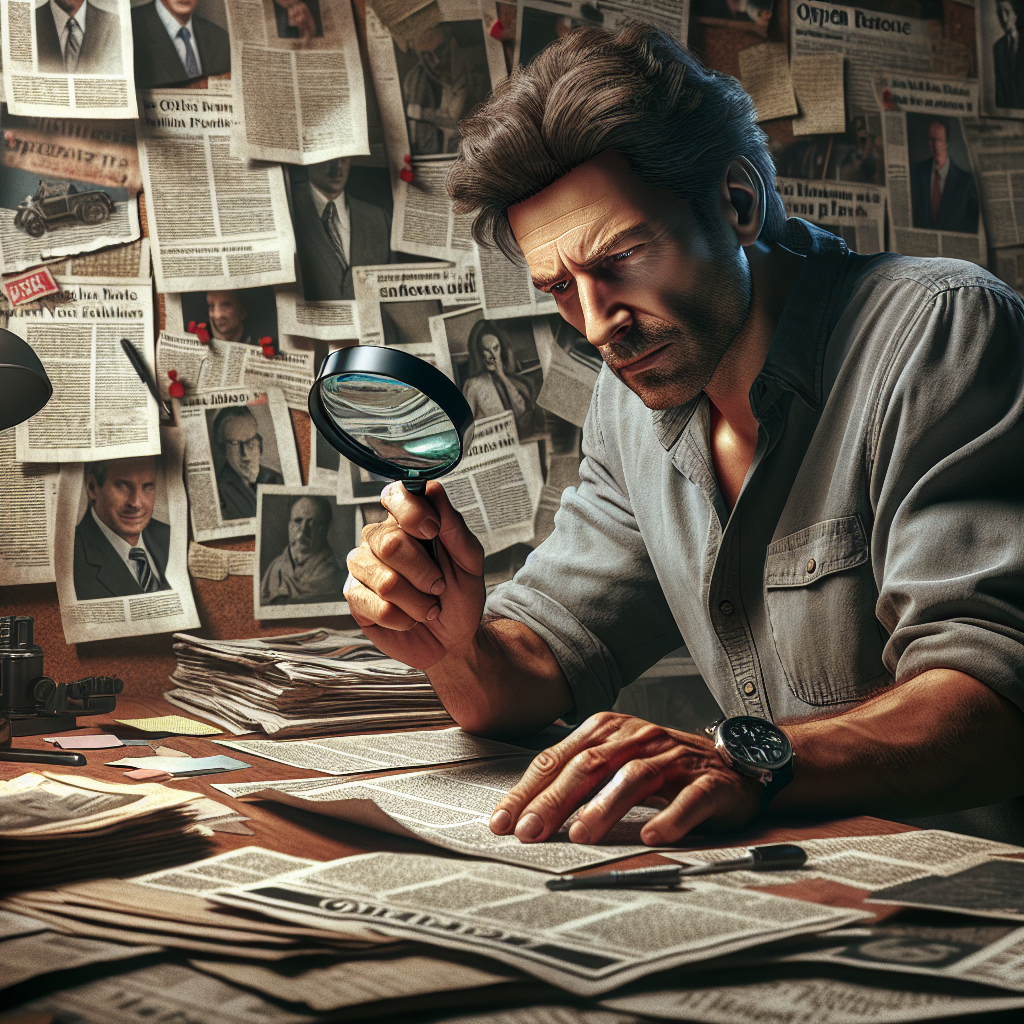

The tale of Uri Blau isn’t just about an investigative journalist sticking it to the powers that be; it’s about a man who found himself embroiled in a mess that highlights how some seem to think journalistic heroism can paper over questionable agendas. When Uri Blau, an Israeli journalist, was brought into the public eye in 2010 for having received classified military documents, he was hailed by some circles as a champion of press freedom. He had a stash of over 2,000 sensitive military files handed to him by Anat Kamm, a soldier who turned whistleblower. This caused quite the stir in Israel, a nation already on edge with security concerns aplenty. How did a journalist get his hands on highly classified information, and why should anyone care?
Blau’s escapades began when Kamm supplied him with documents alleging military wrongdoing in the West Bank. Blau published stories exposing what he claimed were secret assassinations, drawing the eyes of the entire world to Israel's military actions. But what’s the reality of this so-called heroism? Some see Blau’s decisions as crossing ethical lines, blurring the boundaries of responsible journalism, and potentially compromising national security. It's one thing to report injustices, but with great power comes great responsibility—Blau’s actions forced all and sundry to question just where lines ought to be drawn in the realm of journalism.
Blau’s supporters would have you believe he was holding those in power accountable. However, what tends to be conveniently overlooked is the flip side of the coin. Coming into possession of such sensitive military documents was undoubtedly risky and jeopardized national security. Still, Blau chose to dig deeper, spawning outrage amongst those who viewed these actions as threats over triumphs. It's not every day you see a journalist wittingly becoming a liability to his country.
As if things weren’t heated enough, Blau collaborated with Haaretz, a publication known for being somewhat at odds with the more conservative cohorts in Israel. While it’s not uncommon for journalists to hold different political views, it's quite another to let those views guide reporting in a way that aligns more with personal vendettas than the public interest.
Some say that the vigorous debate stirred by his revelations made Blau a martyr by paying the price for truth. But isn't that a bit too convenient a tag to place on a man who had access to a trove of state secrets, potentially endangering military lives and operations? There’s a thin line between exposing the truth and putting people in harm's way—and this drama made for some nail-biting moments in Israeli media and international outlets alike.
Blau didn't just toss the documents into the fire pit of national discourse; he kindled a blaze that made the world focus on Israeli military practices. It's very persuasive to portray oneself as fighting for transparency, yet the stakes were precariously high, and it took time for all the dust to settle, if it ever truly did. The courtroom battle that ensued was as much about legal accountability as it was about the philosophical wrestle over press freedom.
In the echo chambers of those who hailed him, Blau was the epitome of courage. Yet, there's another narrative where law enforcement and the military had one eye raised, watching their challenge against a journalist who they believe could have done severe damage. His sentence—four months of community service—was a controversial conclusion and sparked debates over proportional justice.
Fast forward, and Blau stands as an exemplar of what happens when journalism intersects with national security. No one is arguing against the value of a free press, but what’s often brushed under the rug is the fallout when the press and patriotism clash. If he'll be remembered as a stalwart seeker of truth or a reckless figure who didn’t fully weigh the implications of his reportage, that’s still up for discussion.
Uri Blau’s story is a saga that won't soon be forgotten, a chapter in journalism ethics where questions remain long after the headlines fade. What remains is a cautionary tale for journalists and whistleblowers alike navigating the treacherous waters between informing the public and safeguarding a nation.