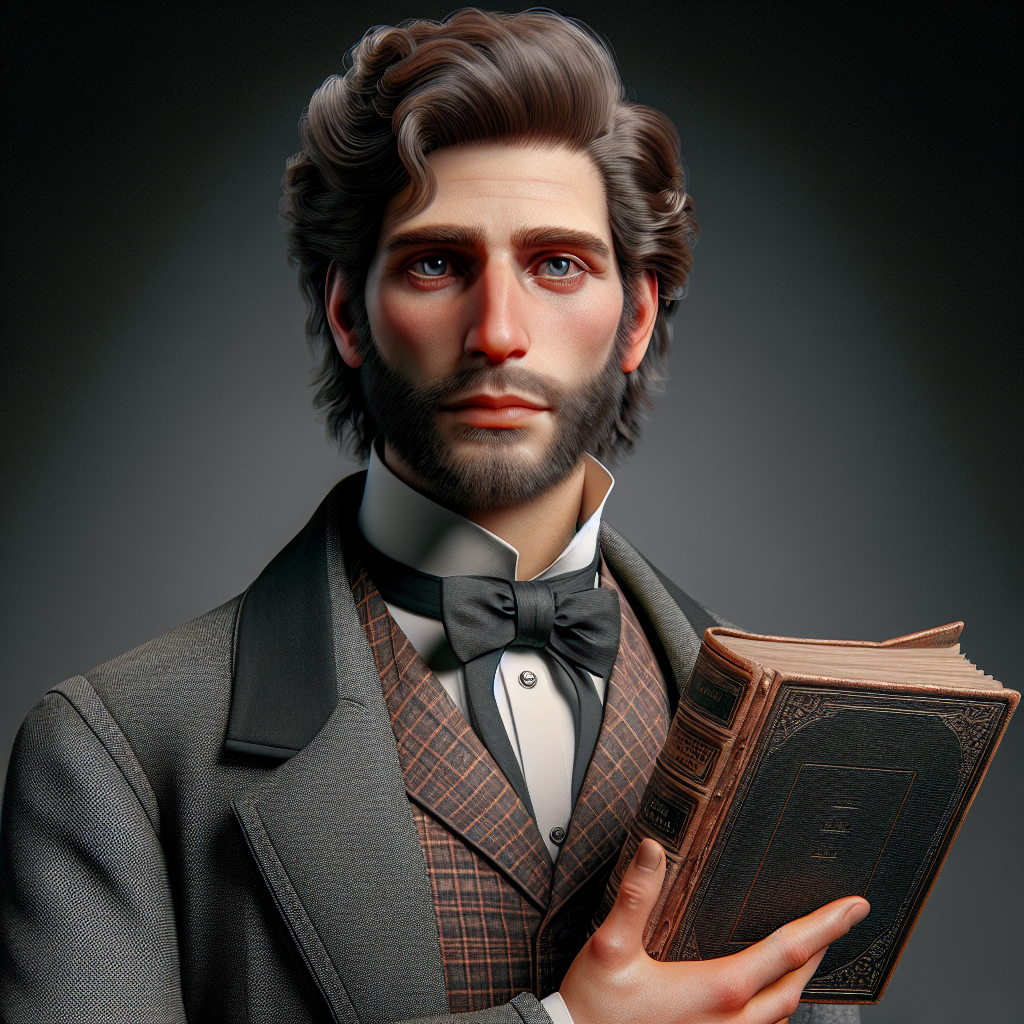

Thomas Langlois Lefroy: The Man Who Dodged a Literary Bullet
Imagine being the man who narrowly escaped becoming the muse for one of the most famous authors in history. Thomas Langlois Lefroy, an Irish politician and judge, is best known not for his legal acumen, but for his brief romantic entanglement with none other than Jane Austen. This whirlwind romance took place in the winter of 1795-1796 in Hampshire, England, when Lefroy was visiting his relatives. The young Irishman, who was studying law in London, found himself in the company of the witty and charming Austen, who was just beginning to hone her craft as a novelist. Their flirtation was short-lived, but it left an indelible mark on Austen's life and possibly her work.
Now, let's get one thing straight: Lefroy was no Mr. Darcy. He was a real-life figure who had ambitions beyond being a character in a novel. He went on to have a successful career, eventually becoming the Chief Justice of Ireland. But what if he had chosen a different path? What if he had married Austen and become immortalized in her novels? Instead, he chose the path of least resistance, marrying a wealthy heiress and securing his place in the upper echelons of society. Some might call it a smart move, but others might see it as a missed opportunity to be part of literary history.
Austen, on the other hand, went on to write some of the most beloved novels in the English language, including "Pride and Prejudice" and "Sense and Sensibility." Her works are celebrated for their keen observations of social class and the intricacies of human relationships. Lefroy's brief dalliance with Austen is often speculated to have inspired some of her characters and themes, but we'll never know for sure. What we do know is that Lefroy's decision to walk away from Austen allowed her to focus on her writing, ultimately benefiting the world of literature.
It's fascinating to think about how different things might have been if Lefroy had chosen love over duty. Would Austen have written the same novels? Would Lefroy have been content living in the shadow of his wife's literary genius? These are questions that will never be answered, but they make for an intriguing "what if" scenario. Lefroy's choice to prioritize his career and social standing over a potential romance with Austen is a classic example of the societal pressures of the time. It also highlights the stark differences between the opportunities available to men and women in the 18th century.
In today's world, where individualism and personal fulfillment are often prioritized over societal expectations, Lefroy's decision might seem outdated or even cowardly. But in his time, it was a pragmatic choice. He secured his future and that of his descendants, ensuring that his name would be remembered, albeit not for the reasons he might have imagined. Lefroy's story serves as a reminder of the complex interplay between personal desires and societal obligations, a theme that resonates even today.
So, while Lefroy may not have become a literary icon, he did manage to carve out a successful life for himself. He played the game of life by the rules of his time and came out on top. Whether or not he ever regretted his decision to part ways with Austen is something we'll never know. But one thing is certain: his brief encounter with one of the greatest writers of all time has ensured that his name will not be forgotten. And for that, we can thank the man who dodged a literary bullet and left us with the timeless works of Jane Austen.