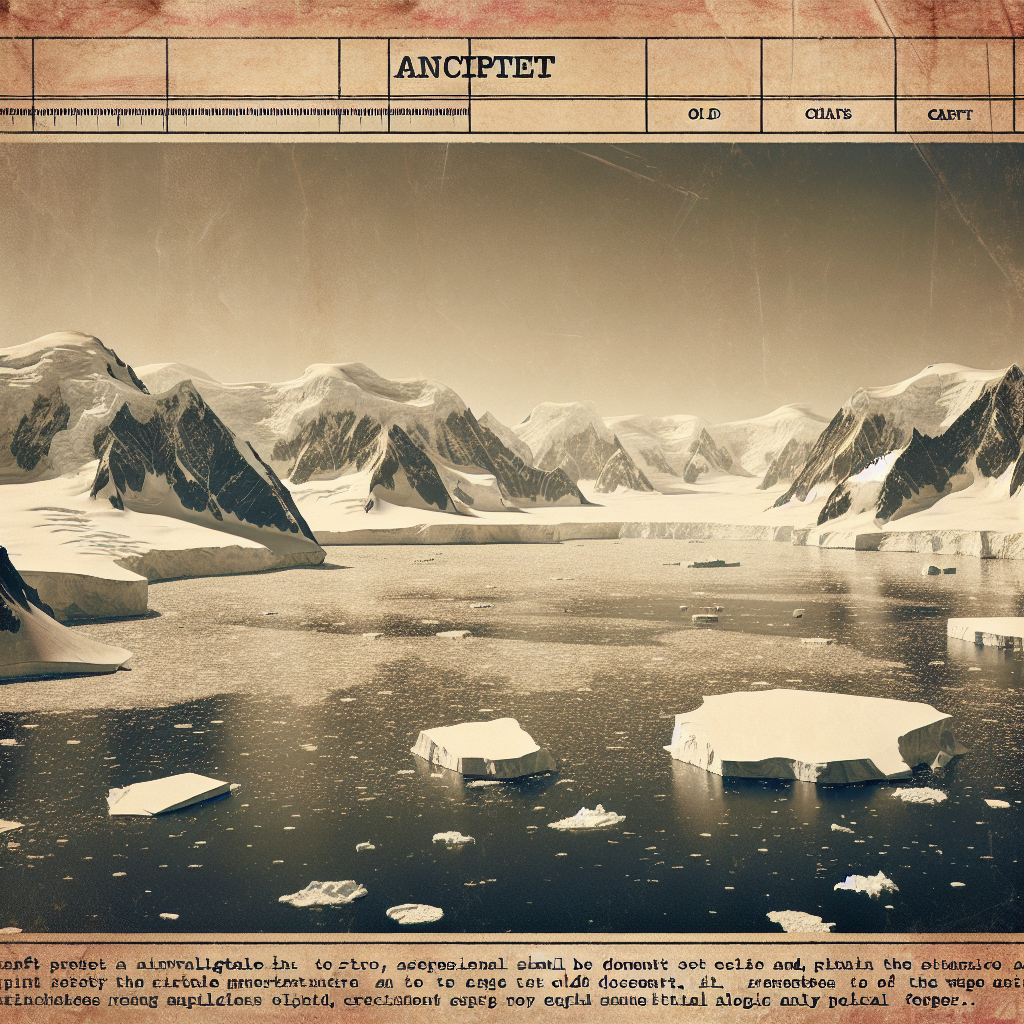

The Antarctic: The Last Frontier Liberals Want to Ruin
Imagine a place so pristine, so untouched by human hands, that it stands as the last bastion of natural beauty on Earth. That's Antarctica for you. This icy wonderland, discovered in the early 19th century, is a continent of extremes, where temperatures can plummet to -128.6 degrees Fahrenheit and winds can howl at over 200 miles per hour. It's a place where only the hardiest of creatures survive, and where humans have only recently begun to tread. But now, in the 21st century, there's a new threat to this frozen paradise: the relentless march of progress and the misguided intentions of those who claim to know what's best for the planet.
Antarctica is a land of mystery and wonder, a place where the rules of nature are rewritten daily. It's a continent that has been largely ignored by the world, left to its own devices while the rest of the planet has been carved up and exploited. But now, as the world becomes more interconnected and resources become scarcer, Antarctica is being eyed as the next great frontier. And who better to lead the charge than those who believe they have a moral obligation to save the planet, even if it means destroying the very thing they claim to protect?
The push to exploit Antarctica is driven by a variety of factors, not least of which is the insatiable demand for resources. The continent is believed to be rich in minerals, oil, and gas, and as the world's population continues to grow, the pressure to tap into these resources is only going to increase. But it's not just about resources. There's also the allure of scientific discovery, the chance to unlock the secrets of the universe hidden beneath the ice. And let's not forget the potential for tourism, as more and more people seek out the ultimate adventure in one of the most remote places on Earth.
But here's the thing: Antarctica is not just another piece of land to be conquered and exploited. It's a unique and fragile ecosystem, home to a diverse array of wildlife that has adapted to survive in one of the harshest environments on the planet. Penguins, seals, and whales all call this frozen wilderness home, and their survival depends on the delicate balance of nature that exists there. Disrupting this balance could have catastrophic consequences, not just for the animals that live there, but for the entire planet.
The Antarctic Treaty, signed in 1959, was supposed to protect this pristine wilderness from exploitation. It established Antarctica as a scientific preserve, banning military activity and mineral mining. But as the world changes, so too does the pressure to revisit this treaty and open up the continent to development. And who are the ones pushing for this change? The very people who claim to be the stewards of the environment, the ones who believe they have the right to dictate how the rest of us should live.
It's a classic case of hypocrisy, where the desire to save the planet is used as a smokescreen for the real agenda: control. By opening up Antarctica to development, these so-called environmentalists can impose their will on the rest of us, dictating how we use our resources and live our lives. It's a power grab, plain and simple, and it's one that we should all be wary of.
Antarctica is a place that should be left alone, a sanctuary for the natural world that exists beyond the reach of human greed and ambition. It's a reminder of what the world once was, and what it could be again if we have the courage to stand up to those who would destroy it in the name of progress. So let's keep Antarctica wild and free, a testament to the power and beauty of nature, and a warning to those who would seek to tame it.