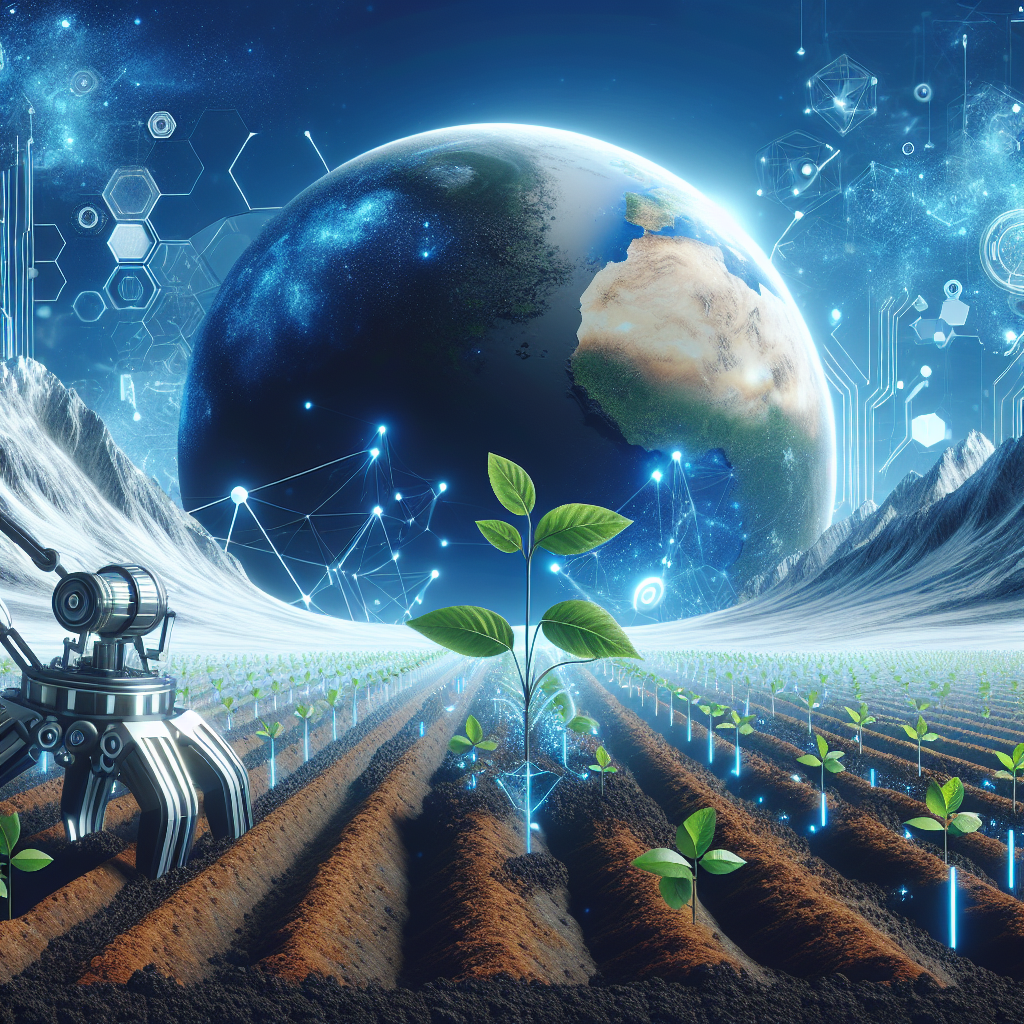

Imagine a soil so rich and fertile it could transform impoverished lands into thriving agricultural hotspots, solving food crises without relying on the bureaucratic insanity of the government. That miracle is called terra preta. Discovered in the Amazon by pre-Columbian civilizations, it's a type of anthropogenic soil—basically, human-created super soil. Used centuries ago by indigenous peoples, this dirt is not just any soil. It's like the Elon Musk of garden soil—revolutionary and forward-thinking, minus the Twitter drama.
First things first: the who, what, where, and why wrapped in one amazement package. Who? Indigenous communities, the unsung heroes of environmental sustainability. What? A carbon-rich type of soil that could teach modern agriculture a thing or two. When? Long before anyone cared about organic certification or USDA labels. Where? The Amazon, which is basically Earth’s lungs, and if you don’t care about that, start. Why? To achieve food sovereignty and robust ecosystems without leveraging technology that spies on you more than Big Brother.
So, what makes terra preta so gosh-darn effective? For starters, it contains high levels of charcoal, also known as biochar, which traps nutrients and helps the soil retain water. Unlike the fleeting fads of today's 'green' solutions that often lack empirical backing, biochar and its nutrient-holding capacity have stood the test of time. This miraculous soil doesn't just help plants grow, it can potentially reverse years of environmental neglect by sequestering carbon in the ground where it belongs—unlike factories spewing it into the air faster than you can say 'climate summit photo op'.
But, as they say, nothing this good comes easy—or free. The challenge is how to recreate this organic wonder outside the Amazon and at scale. Corporations and policymakers have no qualms about prioritizing virtual signaling over effecting real change. But terra preta stands as a testament to what could be achieved if we stopped talking and started doing.
Now, let's consider why this isn't headline stuff yet. Enter the conventional agriculture lobby: a powerful faction hell-bent on keeping things as they are, despite mounting evidence that terra preta could significantly enhance soil fertility in arid regions, returning these dust bowls to their former glory. To them, terra preta is not just a threat; it uncovers inefficiencies and failings they'd rather sweep under industrial-grade carpeting.
On top of this, terra preta offers more than passive fertility; it is also antimicrobial. Hence, it promotes plant and soil health by reducing harmful pathogens and minimizing the need for man-made chemical fertilizers and pesticides. A nightmare for agrochemical companies, but a dream for anyone who’s tired of pretending those chemicals aren’t poisoning our ecosystems.
Of course, there’s the political elephant in the room. Those who gawk at anything that doesn't have the stamp of convoluted international panels could argue there's not 'enough scientific research' without realizing they're just stalling progress. Terra preta wasn't discovered using algorithms or data analytics that track your every online move; it was a smart, natural discovery.
Imagine a world where political policies did not exist to serve wannabe eco-warriors, but solutions like terra preta were scaled up and implemented. Instead of talking persuasively about intent, we'd be eyeball-deep in action. We can capitalize on terra preta's potential for sustainable agriculture, tackling not only food scarcity but also addressing poverty, deforestation, and soil degradation.
In our modern ambition to outdo each other in environmental initiatives, maybe we missed out on the more immediate, tangible impact of this miraculous dirt. If there is one thing to take away, it's that terra preta embodies not only a technological leap for society but a potential reset button: a back-to-basics approach for all that's gone wrong in our cutthroat world. As we march into an uncertain future dominated by the scarcity rhetoric, terra preta stands tall—unflinching and unacclaimed—a beacon of hope for anyone who hasn’t sacrificed all their skepticism at the altar of trendy environmentalism. Need more proof? Look no further than the lush forests of the Amazon, where terra preta has been nourishing everything it touches for centuries. Now that's what I call Earth-friendly.