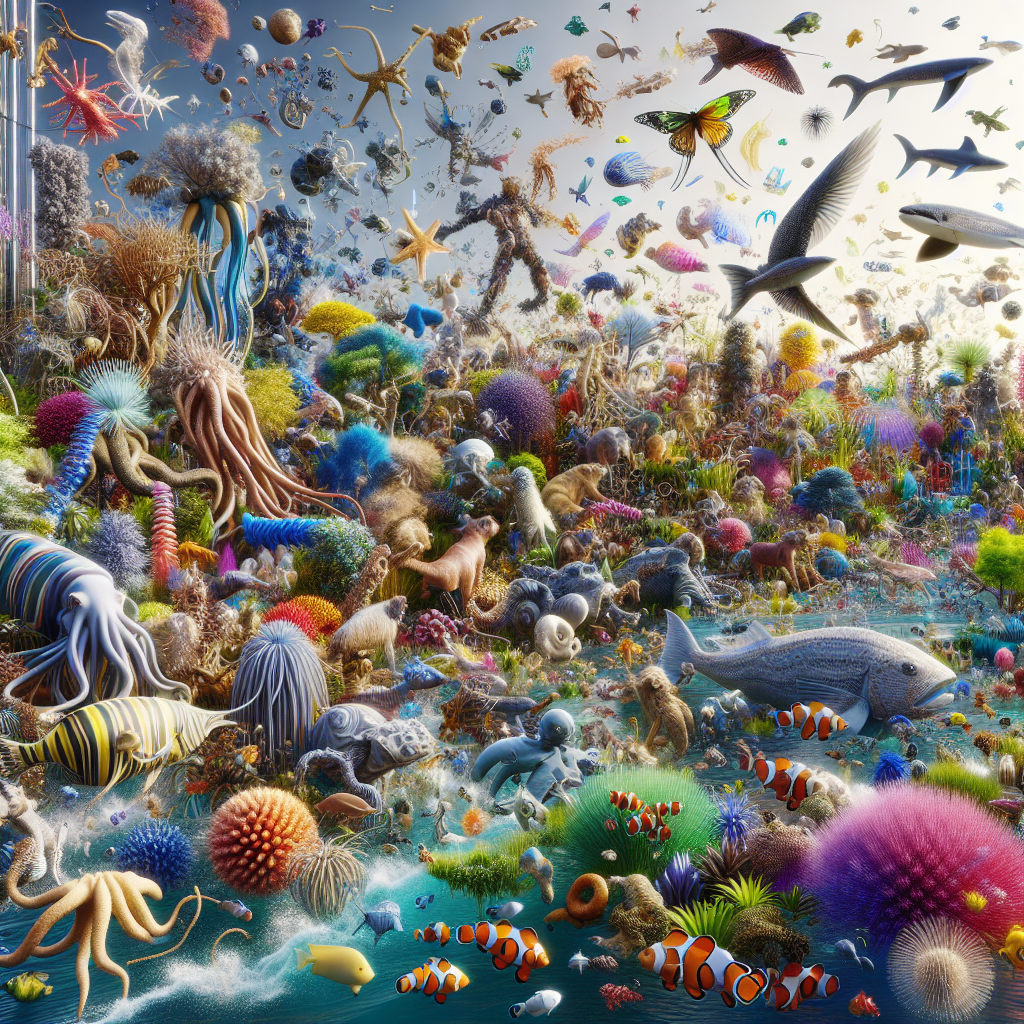

Buckle up! Here comes a dose of reality on the ecological concept of species richness that you won't hear about in the mainstream echo chambers. Species richness, or the count of species in a given ecosystem, is often touted as the gold standard of a healthy environment. But let’s examine who has touted this view, what this means for our ecosystems, and why it might not be all it's cracked up to be. Species richness has been zealously championed by universities and present in conservation conversations for decades. So, when you hear 'biodiversity hotspot,' they usually are referring to places like the Amazon or Great Barrier Reef, notorious for packing in as many species as possible. While that’s initially impressive, let's rub the pixie dust out of our eyes and see what's really going on.
Quantity vs. Quality: Having a lot of species sounds peachy, but who said more is curiously better? Do we applaud an overflowing cereal box with pebbles in amongst the cornflakes? Ecosystems need functionality, not just residents. The obsession with numbers does not take into account the role these species play, because – newsflash – it's not enough just to ‘be there.’
Misguided Preservation Priorities: There’s a misguided belief that every species pushes the needle forward. But does saving a beetle prevent the next natural disaster? Prioritizing species richness often shifts focus from critical ecological functions. Sometimes, undisturbed ecosystems do just fine without adding a dozen more beetle varieties.
Money and Attention Grab: Species richness is often wielded like a carrot-and-stick ploy to attract bottomless funding and public attention. “Save the diversity” campaigns can tug at heartstrings without providing a clear action plan. This theatrics can overshadow pressing environmental issues such as pollution and deforestation, which are in much dire need of immediate attention and action.
Ecological Balance is Key: The truth is, nailing the balance of an ecosystem is much like baking a cake. Adding an extra egg or putting in too much flour can ruin the cake just as much as being a minimalist can. Ecosystems are no different. You can't throw a bunch of species together and expect them to harmonize automatically. Often, it's the keystone species—sometimes just a handful—that maintain ecological balance and health, not the sheer number of them.
Invasives Are Part of the Count: Let’s have a word about invasive species. Yes, they merrily count toward species richness, but they are often detrimental, sending native species scurrying for survival. Sometimes, fewer species perfectly intertwined in function serve purpose better than numbers just stacking the deck.
Overlooked Human Impact: We can't ignore the palpable impact humans have on these ecosystems. Constructive human involvement can actually benefit ecosystems rather than hinder them. But in the echoing demand for elevated species richness, this nuance is too often sidelined, reducing opportunities for positive human-earth interactions.
Mind the Ecosystem, Not Just Species: The hyper-focus on the numbers game overlooks broader ecological challenges. Climate change, ocean acidification, habitat loss, and pollution demand more brainpower and resources than merely counting species ever will. Attention must be fairly distributed.
Deceptive Feel-Good Cause: Banding together under the 'species richness' banner is great for creating community and morale but less effective for tangible results. Rallying for complexity in ecosystems must weigh in on genetic diversity and inter-species relationships, not just dwelling endlessly on extracurricular biodiversity indices.
Limited by Measurement: Measuring species richness isn’t as straightforward as counting heads in a room. Methods can be flawed, skewed by what’s easiest to collect data on or by ideological motivations of researchers. It's high time we sustain focus on really improving the world, rather than getting lost in grandiose declarations of unstable checks in the species list.
Overly-Prescriptive Guidelines: When the concept of species richness starts dictating policies, we edge towards equilibrium loss instead of forging for life preservation, and making many pastures look like botanical blueprints rife for cloning. We'd save more by smartly selecting species that contribute tangibly to restoring health rather than racking up stats!
Smart conservation should prioritize impact over theatrical head-counting. By embracing balanced ecosystems with the functional representatives, rather than just the number of entries in a logbook, we stand to gain much more. Those leading the crusade for species numbers will have to face this clarion call: reality checks before reckless rallies.