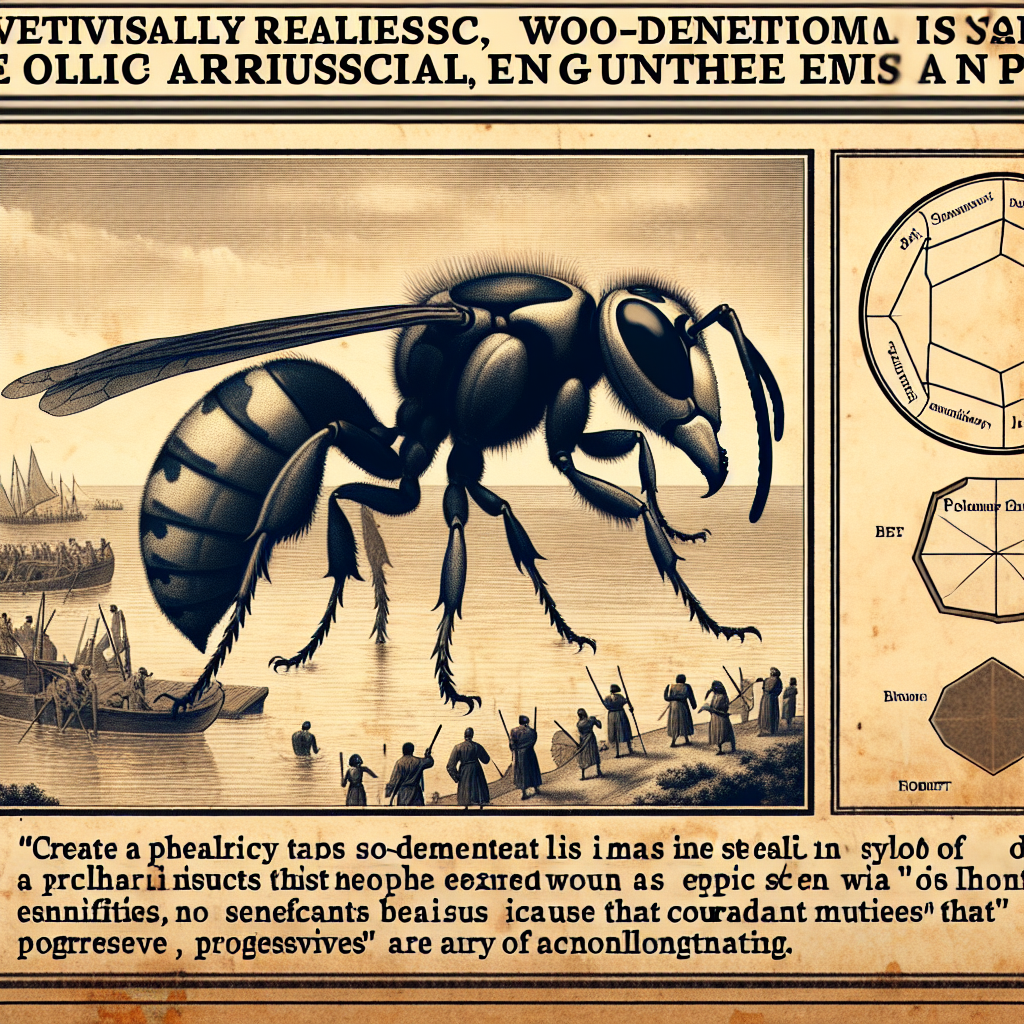

The Curious Case of Rhynchium brunneum: Nature's Little Enigma
Imagine a tiny creature that could send shivers down the spine of any entomologist with its mysterious allure. Enter Rhynchium brunneum, a wasp species that has been buzzing around the scientific community with its intriguing behavior and striking appearance. First described in the 19th century, this wasp is found in various parts of Asia, including India and Sri Lanka. Its unique nesting habits and vibrant coloration make it a fascinating subject for those interested in the wonders of the natural world.
Rhynchium brunneum is not your average wasp. Unlike the common yellow jacket that might crash your summer picnic, this species is a solitary wasp, meaning it prefers to go about its business alone rather than in a bustling hive. This independence is a trait that many could admire, especially in a world where conformity often reigns supreme. The wasp constructs its nest out of mud, creating a small, intricate structure that serves as a nursery for its young. This architectural feat is a testament to the wasp's industrious nature and its ability to thrive in its environment.
The wasp's striking appearance is another reason it stands out. With a body adorned in shades of brown and yellow, Rhynchium brunneum is a visual spectacle. Its coloration is not just for show; it serves as a warning to potential predators that this wasp is not to be trifled with. This natural defense mechanism is a brilliant example of evolution at work, showcasing how species adapt to survive in the wild.
Now, let's talk about the wasp's role in the ecosystem. Rhynchium brunneum is a predator, feeding on caterpillars and other insects. This predatory behavior helps control pest populations, making the wasp an unsung hero in maintaining ecological balance. While some might view wasps as mere nuisances, their contribution to the environment is invaluable. They play a crucial role in the food chain, ensuring that no single species dominates the landscape.
But here's where things get interesting. The study of Rhynchium brunneum and other wasps can offer insights into broader scientific questions, such as the evolution of social behavior in insects. By examining solitary wasps, researchers can better understand how complex social structures, like those seen in honeybees and ants, might have evolved. This line of inquiry challenges the simplistic narratives often pushed by those who fail to appreciate the intricacies of nature.
In a world where sensationalism often overshadows substance, the story of Rhynchium brunneum is a reminder of the beauty and complexity that exists in the natural world. It's a call to look beyond the surface and appreciate the intricate web of life that surrounds us. This wasp, with its solitary nature and ecological importance, embodies the spirit of independence and resilience that many admire.
So, the next time you encounter a wasp, take a moment to consider the possibility that it might be a Rhynchium brunneum. Appreciate its role in the ecosystem and the lessons it can teach us about the natural world. In doing so, you might just find a new respect for these misunderstood creatures and the vital part they play in the tapestry of life.