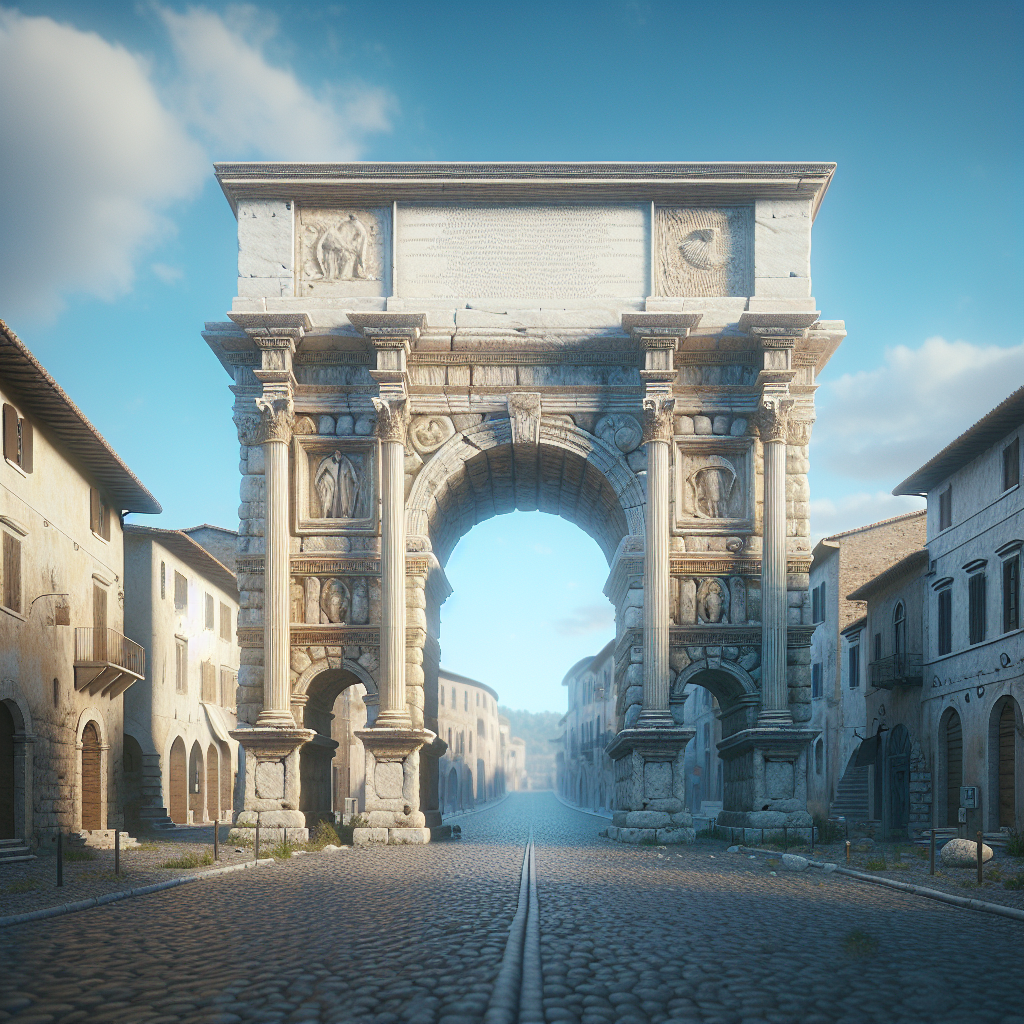

Porta Pia, a symbol of undying strength, stands as a powerful reminder in the heart of Rome. Constructed between 1561-1565 under the orders of Pope Pius IV, this urban gateway marked the defensive border of Rome and was an essential part of the Aurelian Walls. This architectural marvel, designed by none other than Michelangelo, witnessed a transformative event in Italian history—the breach on September 20, 1870, which ended the papal rule in Rome. But there's more to it than historic bricks and mortar!
Michelangelo’s Masterpiece: Michelangelo might have been 86, practically an elder statesman of the Renaissance, when he took on this project. But his age didn't diminish his brilliance—it gave Rome one of its most revered gateways. Porta Pia is not just a testament to its enduring architectural prowess but a monument to timeless creativity that only a figure like Michelangelo could conceive.
A Relic of Timeless Conflict: The fateful breach on September 20, 1870, is celebrated as the moment Rome was liberated from papal rule—a liberation that conservatives cherish for leading Italy into a new era of unity and strength. That day marks Rome's annexation into the Kingdom of Italy, steered by King Victor Emmanuel II, a leader who knew when to strike!
An End to Absolute Power: The Porta Pia breach sparked massive political changes, leading to the capture of Rome after a brief but symbolic standoff. When the Italian army finally brought down the wall, it wasn't merely demolishing bricks; it was breaking the chains of papal absolutism. For those troubled by unchecked power, this was a win etched in stone!
Artistry with Authority: The Porta Pia’s intricate design affirms Michelangelo’s capability to blend aesthetic splendor with defensive strength. This wasn't just an entrance; it was a strategic node designed to guard against invasions. Talk about a blend of form and function that's hard to replicate today!
From Walls to Welcomes: Originally, a gate fortifying the city's integrity, Porta Pia stands today as a highway to modern Rome. What was once a defense has now evolved into a symbol of connectivity and progress. Who needs open borders when you have structures like Porta Pia guiding you through history?
Epitome of Revival: Porta Pia is part of Italy's expansive story of resurrection. The events at this site catalyzed the Roman Catholic Church’s modernization. By ushering the Last Pope to exercise temporal power directly over Rome, Porta Pia indirectly inspired religious and political reformations. A giant leap towards separating church and state!
National Pride, Set in Stone: Buildings carry stories, and Porta Pia whispers the narrative of Italian reunification. Every brick sings praises of a unified Italy—a sentiment that resonates with those who hold national sovereignty in high regard. A powerful structure symbolizing politics, art, and pride.
Ideal Familial Outing: Today, Porta Pia is not just a historical site; it's a vibrant place for families to explore Italian culture. It’s a living classroom for kids to engage with history, politics, and architecture instead of relying on a diluted educational system. Walking these grounds is touching a piece of Italian soul with every step.
Where Art Meets Resilience: To stand under the arch of Porta Pia is to stand under a testament of creativity and determination, a blend now forgotten in many circles. A veritable renaissance that transformed a gate into a national icon.
Legacy of Liberty: Porta Pia's significance goes beyond physical dimension—it's about ideals. It's about championing unity over division, resilience over submission, and art over mediocrity. Porta Pia is the triumph of visionary leadership and national unity, lessons many of today's leaders could stand to learn from.
Porta Pia isn't merely an architectural curiosity; it’s a beacon spotlighting an era where courage changed the course of a nation. Today it stands as an unapologetic symbol of artful resistance and national pride, a reminder of Italy’s glory and a challenge not to let history's lessons fall to the wayside in modern governance.