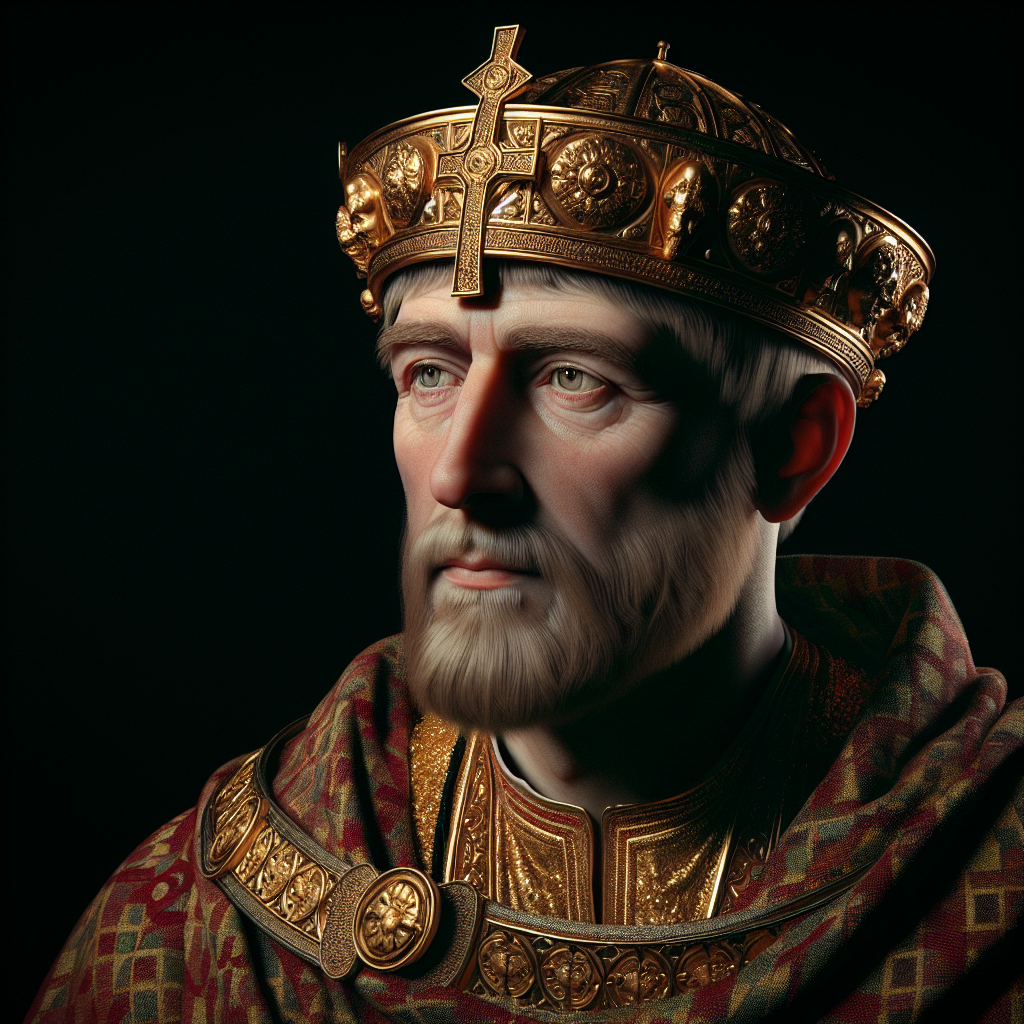

Pope Siricius: The Original Papal Powerhouse
Pope Siricius, the man who set the stage for the papal authority we know today, was elected as the Bishop of Rome in December 384 AD. He was the first pope to issue decretals, which are formal letters that laid down the law for the church, and he did so with a flair that would make any modern-day politician envious. Operating from the heart of the Roman Empire, Siricius wielded his power with a firm hand, ensuring that the church's influence extended far and wide. His reign marked a pivotal moment in history when the church began to assert its dominance over both spiritual and temporal matters, a move that would have the liberal crowd of today clutching their pearls.
The First Decretal Dynamo: Siricius was the first pope to issue decretals, setting a precedent for future popes to follow. These were not mere suggestions but binding laws that dictated church practices. He wasn't just a spiritual leader; he was a lawmaker, and he made sure everyone knew it.
Celibacy Crusader: Siricius was a staunch advocate for clerical celibacy. He believed that priests should be wholly devoted to their spiritual duties, free from the distractions of family life. This was a radical stance at the time, and it laid the groundwork for the celibacy rules that still exist in the Catholic Church today.
The Council Commander: He convened synods to address various issues within the church, demonstrating his commitment to maintaining order and discipline. Siricius wasn't afraid to tackle controversial topics head-on, and he did so with a confidence that would make any modern leader proud.
The Heresy Hammer: Siricius took a hard line against heresy, particularly targeting the Manichaeans and Priscillianists. He was not one to tolerate dissent within the church, and he made it clear that deviation from orthodox beliefs would not be tolerated.
The Roman Rule Enforcer: Operating from Rome, Siricius used his position to strengthen the church's influence over the Roman Empire. He understood the power of location and used it to his advantage, ensuring that the church's voice was heard loud and clear.
The Papal Precedent Setter: By asserting his authority through decretals and synods, Siricius set a precedent for the papal office that would endure for centuries. He was a trailblazer, and his actions laid the foundation for the powerful papacy that would emerge in the Middle Ages.
The Spiritual Statesman: Siricius was not just a religious leader; he was a statesman who understood the importance of diplomacy and governance. He navigated the complex political landscape of the Roman Empire with skill and finesse, ensuring that the church remained a key player on the world stage.
The Legacy Leaver: Siricius's impact on the church was profound and lasting. His insistence on clerical celibacy, his use of decretals, and his firm stance against heresy all contributed to shaping the Catholic Church as we know it today.
The Unyielding Unifier: Siricius worked tirelessly to unify the church under a single doctrine, believing that a divided church was a weakened church. His efforts to maintain unity were instrumental in solidifying the church's power and influence.
The Fearless Forefather: As the first pope to wield such significant authority, Siricius was a fearless leader who wasn't afraid to make bold decisions. His legacy is one of strength, determination, and unwavering commitment to the church's mission.
Pope Siricius was a powerhouse of papal authority, a man who understood the importance of strong leadership and decisive action. His reign marked a turning point in the history of the Catholic Church, setting the stage for the powerful institution it would become. While his actions might ruffle some feathers today, there's no denying that Siricius was a trailblazer who left an indelible mark on the world.