
The Secret Life of Stoneflies: Nature's Unsung Heroes
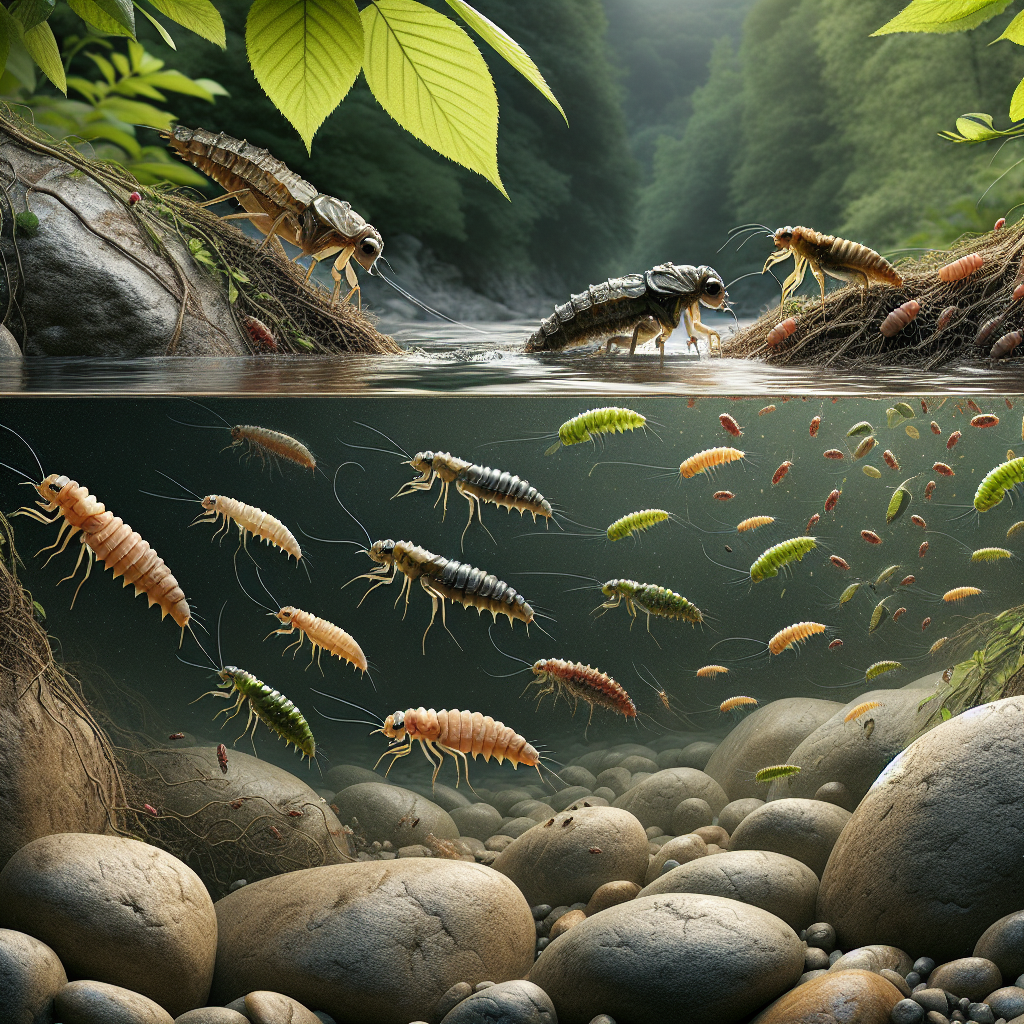
Imagine a world where insects are the unsung heroes of our ecosystems, quietly working behind the scenes to maintain balance and health. Enter the stonefly, or Plectoptera, a fascinating group of insects that play a crucial role in freshwater habitats. Found in clean, fast-flowing streams and rivers across the globe, these little critters are the unsung champions of water quality and biodiversity. Stoneflies are most active during the warmer months, from spring to early fall, when they emerge from their aquatic nymph stage to become winged adults. But why should we care about these seemingly insignificant insects? Because they are indicators of a healthy environment, and their presence—or absence—can tell us a lot about the state of our natural world.
Stoneflies are the canaries in the coal mine for our waterways. Their presence indicates clean, oxygen-rich water, as they are highly sensitive to pollution. If stoneflies are thriving, it's a good sign that the ecosystem is healthy. This is why environmental scientists and conservationists pay close attention to these insects. They are nature's bioindicators, providing valuable information about the health of our streams and rivers. Without them, we might not notice the early signs of environmental degradation until it's too late.
These insects are also a vital part of the food chain. Stonefly nymphs, which live underwater for up to three years, are a primary food source for fish, birds, and other aquatic creatures. Their abundance supports a diverse array of wildlife, making them essential for maintaining biodiversity. When stoneflies are present, it means there's a thriving ecosystem with plenty of food for other species. This is why their decline is so concerning; it signals a ripple effect that can impact the entire food web.
Stoneflies are not just important for the environment; they also have economic significance. Anglers, particularly fly fishermen, prize stoneflies as bait. Their realistic imitation in fly fishing lures is a testament to their importance in recreational fishing. A healthy population of stoneflies can attract fishing enthusiasts, boosting local economies that rely on tourism and outdoor recreation. So, when stoneflies disappear, it's not just an environmental issue—it's an economic one too.
The decline of stoneflies is a warning sign that we cannot afford to ignore. Pollution, habitat destruction, and climate change are all contributing factors to their dwindling numbers. As we continue to alter natural landscapes and pollute our waterways, we are putting these vital insects at risk. It's a classic case of humans disrupting the delicate balance of nature, and the consequences could be dire.
Conservation efforts are crucial to protect stoneflies and the ecosystems they inhabit. This means reducing pollution, preserving natural habitats, and implementing sustainable practices. It's time to prioritize the health of our waterways and recognize the importance of these small but mighty insects. By doing so, we can ensure a future where stoneflies continue to thrive, supporting biodiversity and providing valuable insights into the health of our environment.
The next time you find yourself near a stream or river, take a moment to appreciate the stoneflies and the vital role they play in our world. They may be small, but their impact is enormous. Let's not wait until it's too late to recognize their importance. After all, the health of our planet depends on the health of its smallest inhabitants.