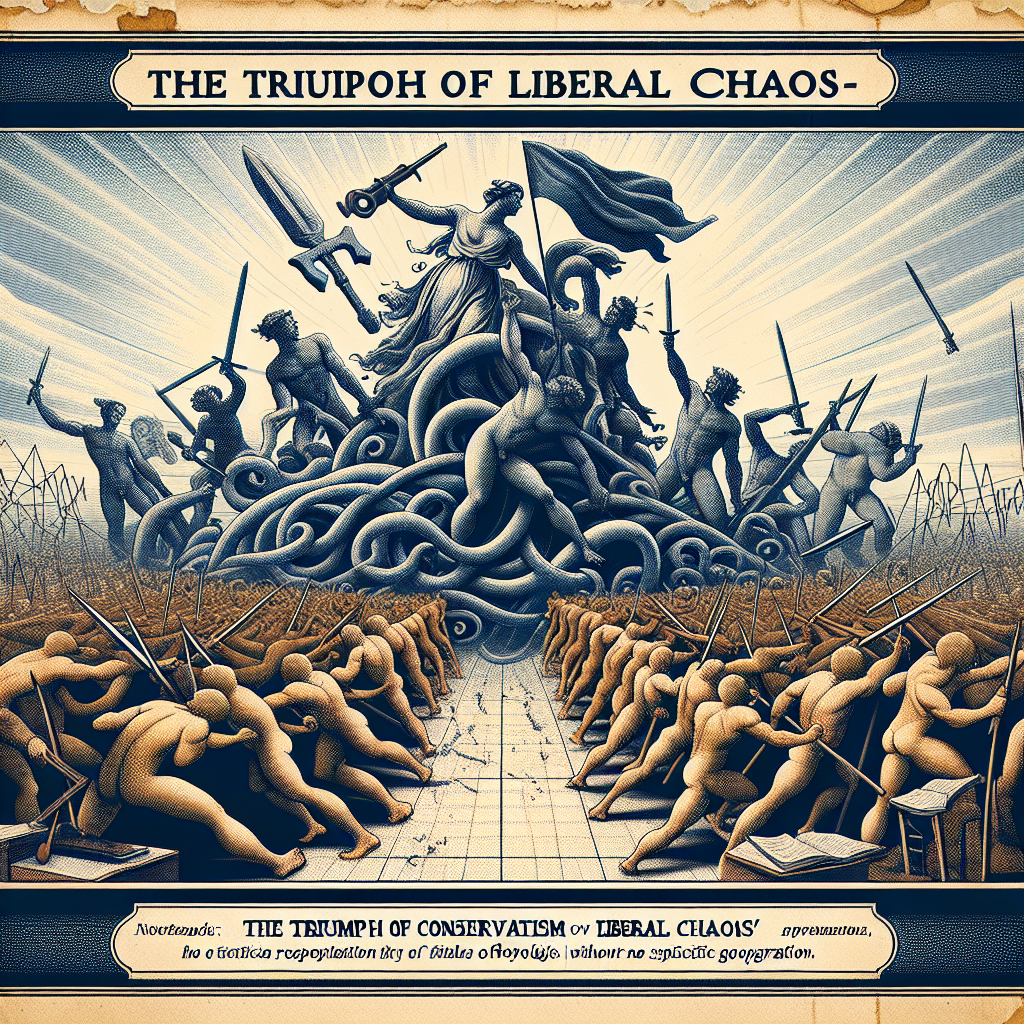

The Ottaviani Intervention: A Conservative Triumph Over Liberal Chaos
In 1969, a monumental event took place in the heart of the Catholic Church that sent shockwaves through the religious and political world. Cardinal Alfredo Ottaviani, a staunch defender of traditional Catholic values, spearheaded a movement to challenge the liberal reforms of the Second Vatican Council. This intervention, known as the Ottaviani Intervention, was a bold stand against the modernist tide that threatened to erode the very foundations of the Church. It was a moment when tradition clashed with progressivism, and the stakes couldn't have been higher.
The Ottaviani Intervention was a response to the Novus Ordo Missae, the new form of Mass introduced by Pope Paul VI. Ottaviani, along with Cardinal Antonio Bacci, penned a critical letter to the Pope, expressing grave concerns about the changes. They argued that the new Mass diluted the sacred traditions of the Church and opened the door to Protestant influences. This was not just a liturgical debate; it was a battle for the soul of Catholicism. Ottaviani's intervention was a rallying cry for conservatives who feared that the Church was losing its way.
The timing of the Ottaviani Intervention was crucial. The late 1960s was a period of social upheaval, with radical ideas gaining traction across the globe. The Church, a bastion of stability and tradition, was not immune to these pressures. The Second Vatican Council had introduced sweeping changes, and many conservatives felt that the Church was capitulating to the whims of the modern world. Ottaviani's stand was a defiant rejection of this trend, a call to return to the timeless truths that had guided the Church for centuries.
The Ottaviani Intervention was not just about the Mass; it was about the very identity of the Church. Ottaviani and his supporters believed that the new Mass undermined the sacrificial nature of the Eucharist, a core tenet of Catholic faith. They argued that the changes blurred the line between the sacred and the profane, making the Mass more of a communal meal than a divine sacrifice. This was anathema to conservatives who cherished the mystery and majesty of the traditional Latin Mass.
The Ottaviani Intervention was a lightning rod for controversy. It exposed deep divisions within the Church, with conservatives and progressives locked in a bitter struggle for the future of Catholicism. Ottaviani's critics accused him of being out of touch, clinging to outdated rituals in a rapidly changing world. But his supporters saw him as a hero, a courageous defender of orthodoxy in the face of relentless liberal pressure.
The impact of the Ottaviani Intervention was profound. It galvanized conservative Catholics, inspiring a movement to preserve the traditional Latin Mass. This movement gained momentum over the years, culminating in Pope Benedict XVI's 2007 motu proprio, Summorum Pontificum, which allowed for greater use of the traditional Mass. Ottaviani's legacy lives on in the hearts of those who continue to fight for the preservation of Catholic tradition.
The Ottaviani Intervention was a defining moment in the history of the Catholic Church. It was a bold stand against the forces of modernism, a reminder that tradition and faith are worth defending. In a world where values are constantly shifting, Ottaviani's intervention serves as a beacon of hope for those who believe in the enduring power of tradition. It was a triumph of conservative principles over liberal chaos, a testament to the strength and resilience of the Catholic faith.