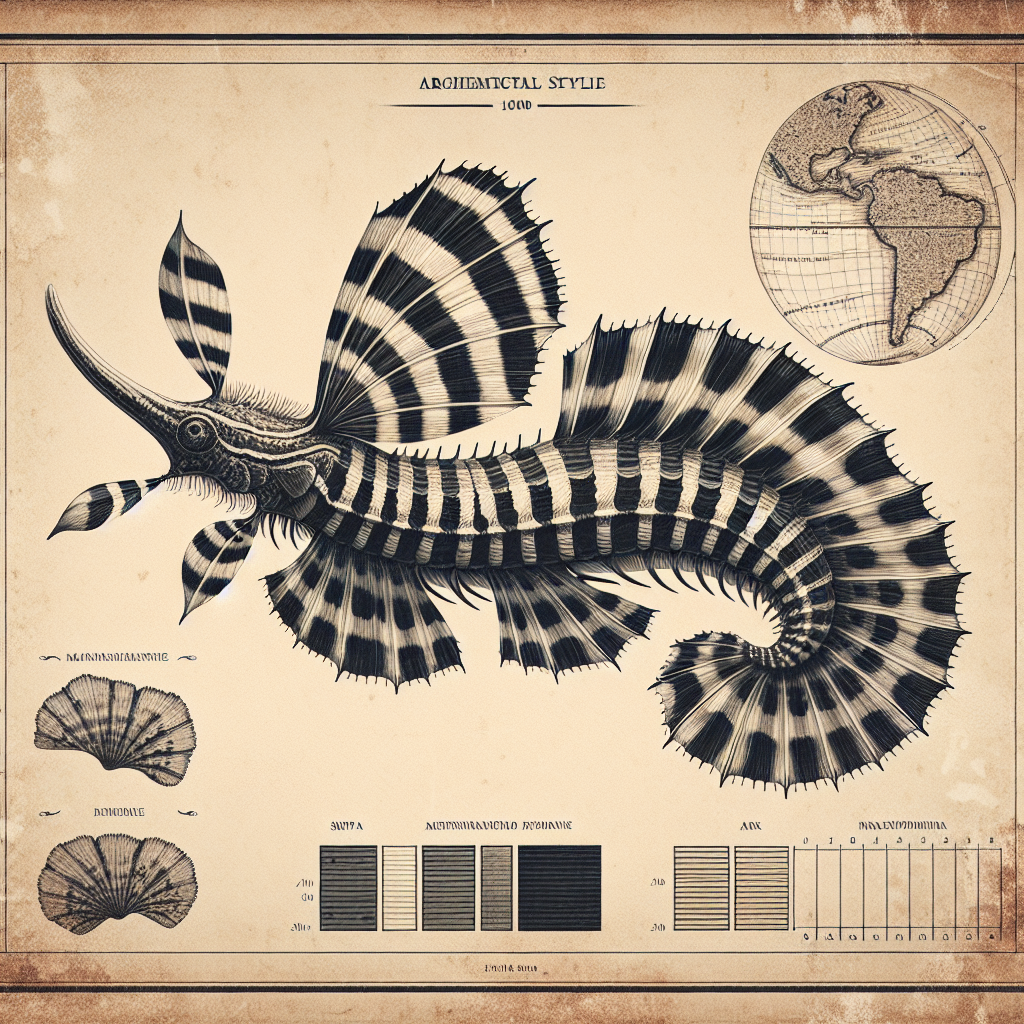

The Striped Beauty: Oscaecilia polyzona
Imagine a creature that looks like a cross between a worm and a snake, living its life hidden beneath the forest floor. Meet Oscaecilia polyzona, a fascinating species of caecilian that has captured the attention of biologists and nature enthusiasts alike. This intriguing amphibian, first described in the 19th century, is native to the lush, tropical regions of South America, particularly in countries like Colombia and Ecuador. Its elusive nature and unique appearance make it a subject of interest for those studying biodiversity and the mysteries of the animal kingdom.
Oscaecilia polyzona is not your everyday amphibian. Unlike frogs or salamanders, caecilians are limbless, which often leads to them being mistaken for snakes or large worms. But don't be fooled! These creatures are a distinct group of amphibians with their own set of characteristics. Their bodies are segmented, giving them a striped appearance, which is where the "polyzona" part of their name comes from. This striping is not just for show; it plays a crucial role in their survival, helping them blend into their surroundings and avoid predators.
One of the most remarkable aspects of Oscaecilia polyzona is its lifestyle. These creatures spend most of their lives underground, burrowing through the soil in search of food. Their diet mainly consists of small invertebrates, which they hunt using a keen sense of smell. This subterranean lifestyle has led to some fascinating adaptations. For instance, their eyes are reduced and covered by skin, as vision is not particularly useful in the dark, underground world they inhabit. Instead, they rely on other senses to navigate and find prey.
The reproductive habits of Oscaecilia polyzona are equally intriguing. Unlike many amphibians that lay eggs in water, some caecilians give birth to live young. This adaptation is particularly advantageous for a life spent mostly underground, where water bodies may not be readily accessible. The young are born fully formed and ready to start their own burrowing adventures, a testament to the evolutionary ingenuity of these creatures.
Despite their fascinating biology, Oscaecilia polyzona and other caecilians often fly under the radar in discussions about wildlife conservation. This is a shame, as they play a vital role in their ecosystems. By preying on invertebrates, they help control pest populations, contributing to the health of the soil and the plants that grow in it. Their presence is a sign of a healthy, functioning ecosystem, and their absence could indicate environmental issues that need addressing.
It's time to give Oscaecilia polyzona the attention it deserves. These creatures are a reminder of the incredible diversity of life on our planet and the many mysteries that still await discovery. They challenge our perceptions of what it means to be an amphibian and highlight the importance of preserving the habitats that support such unique forms of life. So next time you think of amphibians, remember the humble caecilian and the vital role it plays in the grand tapestry of nature.