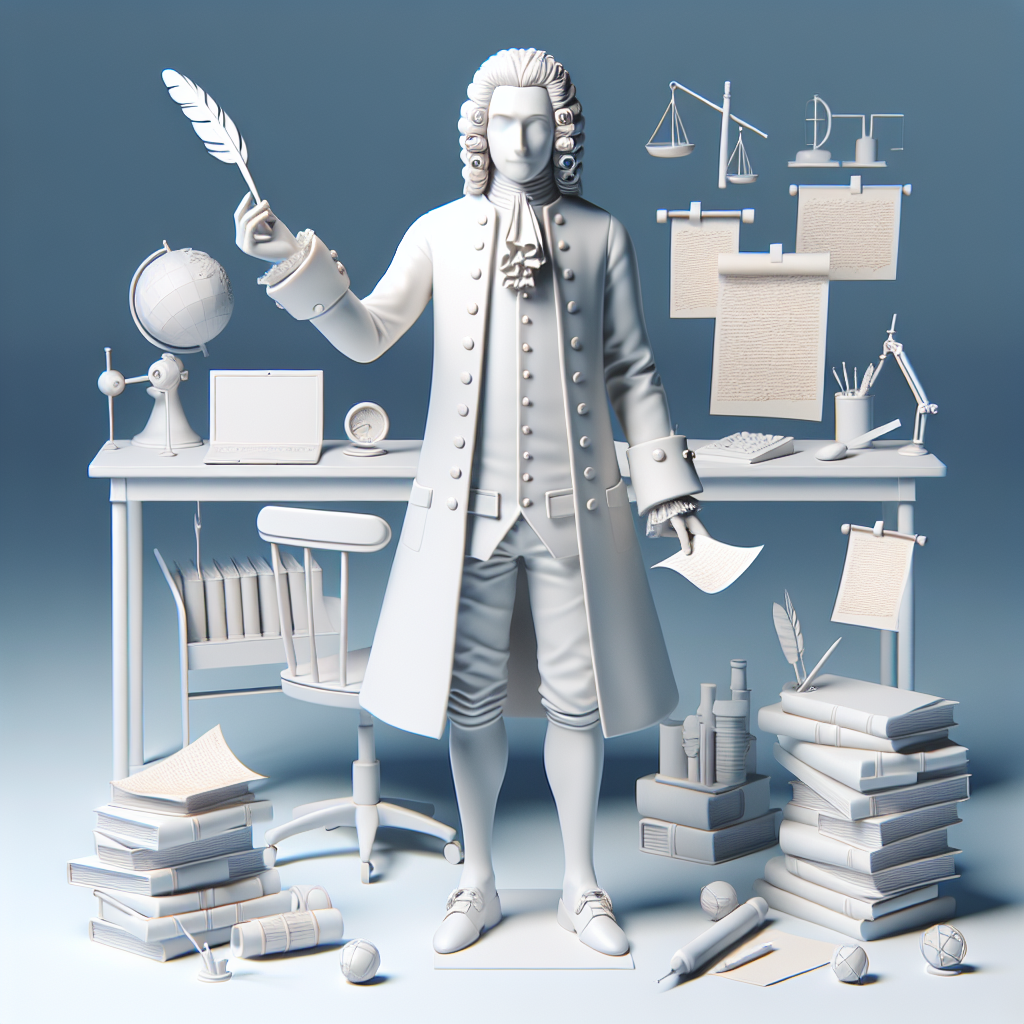

Nicolas François de Neufchâteau, now there’s a name that won’t pop up at your next dinner party! Yet this fascinating figure shook 18th-century France's political and literary world like a whirlwind. Born on April 17, 1750, in Lorraine, he emerged at a time when Europe was trembling on the edge of transformation—socially and politically. Nicolas was a man whose baffling array of talents led him to influence areas as varied as literature, agriculture, and politics—areas that often left him seen as a threat to entrenched liberal ideals of his day.
Now why should Nicolas François de Neufchâteau be remembered, you ask? Buckle up, because we’re about to explore ten ways this extraordinary man left an indelible mark on history.
Prodigy With the Pen Nicolas was writing poetry as early as fourteen. Before you could say "Voltaire," he'd published his first book. By 19, this young wizard of words was already sending shockwaves through literary circles. They say the pen is mightier than the sword, and by wielding his with such skill, he positioned himself as a voice for conservatism when liberalism began casting its shadows.
Enlightenment’s Errant Child The enlightenment took the world by storm, promising rationality and progress, yet Nicolas was masterfully skeptical. He questioned liberal ideologies that dominated his peers' thinking. Rebuffing the popular route, he championed moral virtue and tradition, holding onto values that long outlived the period's fads.
Diplomat Under Pressure As Minister of the Interior in 1797, Nicolas masterfully maneuvered through the chaos of post-revolutionary France. Imagine managing a country after a storm of revolution! His policies emphasized internal security and stability rather than the chasing of utopian ideas—a focus staunchly at odds with the liberal pursuit of unchecked liberties.
Passion for Agriculture Nicolas was an agricultural innovator. For someone knee-deep in politics, he had a remarkable knack for realizing that a nation's future depends on feeding its people. By promoting modern agricultural practices, he steadied the heart of France’s economy—far removed from the utopian dreams his contemporaries could barely keep afloat.
Exiled Patriarch The electoral climate turned stormy, and Nicolas found himself forced into a brief political exile. Not one to whimper, he utilized this time to reflect and write rather than sulk. Unlike many liberals who might have bemoaned their bad luck, Nicolas understood the value of patience and fortitude.
Influence on Literature Writing wasn’t just a hobby; it was in his bones. His contributions to French literature were undeniable, his works sparking both admiration and criticism in the halls of the literary elite. His literary output solidified his place as both a titan of letters and a staunch defender of tradition.
Theatrical Aspirations Not one to shy away from center stage, he even wrote theater plays, drawing cultural commentary into the public eye. You could easily call him a forerunner of today’s well-rounded, many-faced influencers—but with far more class, one might say.
Champion of Education Nicolas rightly saw that education builds a nation. He advocated fiercely for a more disciplined, structured education system. More than mere rote learning, he pushed for education reform that promoted virtues and values over whimsical, misguided notions of unrestrained intellectual freedom.
Consistency in Vision Through his many roles, Nicolas François de Neufchâteau never wavered from his principles. At a time when social and political currents were as unpredictable as French weather, his steadfast dedication to traditional values remained an anchor—a stalwart resistance against the ebullient, often volatile clamor for change.
Legacy of Conservatism Perhaps the most intriguing facet of Nicolas’ life is how his actions and beliefs set the groundwork for future conservative thought. As he busied himself with the pragmatics of governance while others floated haplessly toward the emancipated horizon, he embodied strength, tradition, and practicality.
Nicolas François de Neufchâteau may not be everyone's cup of tea, but his illustrious career and dedication to conservative values continue to deserve our attention. In his multi-dimensional pursuits, he proved that one can passionately embrace the arts, shape domestic policy, and innovate agriculture—while challenging the gales of liberal ideologues.