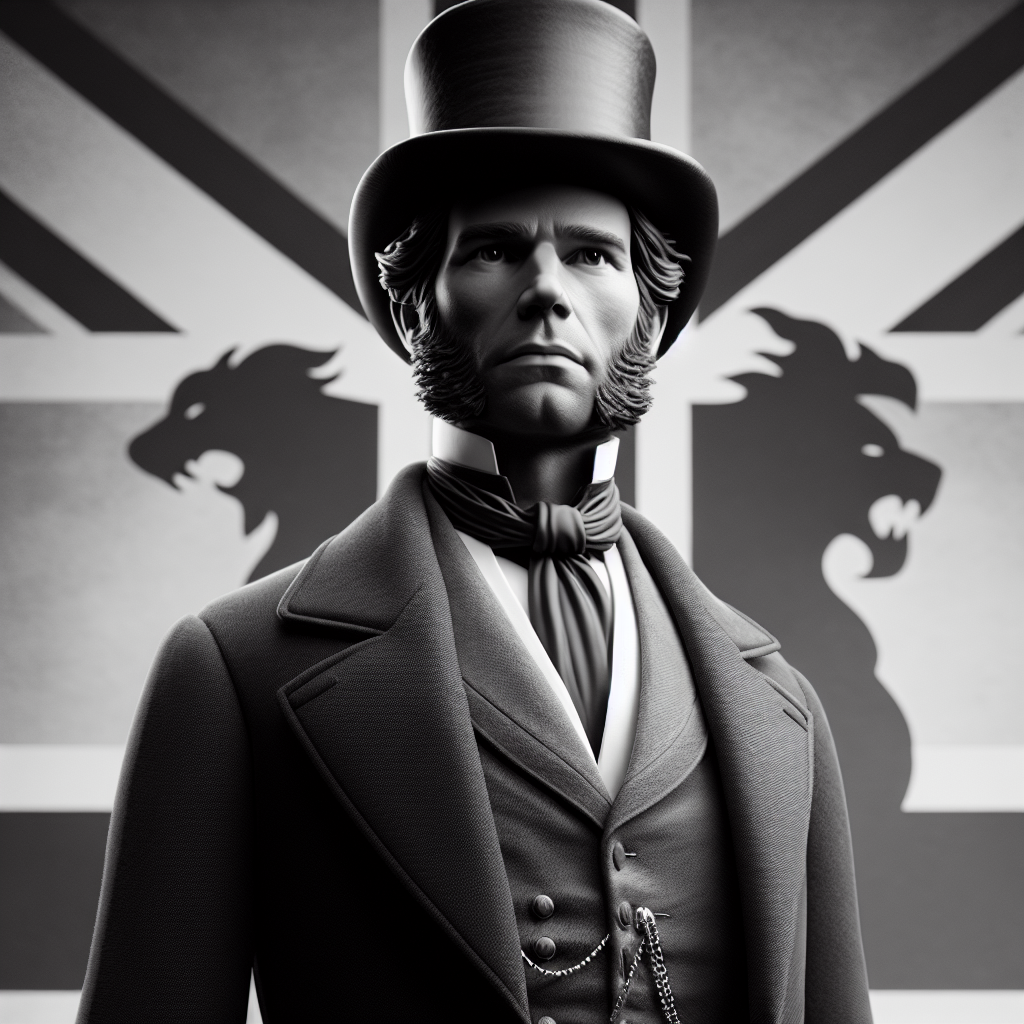

Michael Davitt: The Rebel Who Shook the British Empire
Michael Davitt was a fiery Irish nationalist who dared to challenge the might of the British Empire in the late 19th century. Born in 1846 in County Mayo, Ireland, Davitt became a key figure in the Irish struggle for land reform and independence. His life was a whirlwind of activism, imprisonment, and political maneuvering, all aimed at liberating Ireland from British rule. Davitt's relentless pursuit of justice for the Irish people made him a thorn in the side of the British establishment, and his legacy continues to inspire those who fight against oppression.
Davitt's journey from a humble background to a revolutionary leader is nothing short of remarkable. At the tender age of nine, his family was evicted from their home during the Great Famine, a traumatic event that fueled his lifelong hatred of British landlords. By the time he was 12, Davitt was working in a Lancashire cotton mill, where he lost an arm in a machinery accident. But this setback only strengthened his resolve. He joined the Irish Republican Brotherhood, a secret society dedicated to ending British rule in Ireland, and quickly rose through the ranks.
In 1870, Davitt was arrested for his involvement in a plot to seize arms for the Irish cause and was sentenced to 15 years in prison. His time behind bars was brutal, but it only hardened his determination. Upon his release in 1877, Davitt threw himself into the Land League movement, which sought to secure fair rents and land ownership for Irish tenants. His fiery speeches and tireless organizing efforts helped galvanize the Irish peasantry, leading to widespread protests and boycotts against oppressive landlords.
Davitt's activism caught the attention of Charles Stewart Parnell, another prominent Irish nationalist, and the two formed a powerful alliance. Together, they spearheaded the Land War, a campaign that forced the British government to pass a series of land reform acts in the 1880s. These reforms were a significant victory for the Irish people, but Davitt was not satisfied. He continued to push for full independence, believing that only a free Ireland could truly prosper.
Despite his successes, Davitt's radical views often put him at odds with more moderate nationalists. He was a staunch advocate for social justice, championing causes like workers' rights and universal suffrage. His progressive ideas were ahead of their time, and he frequently clashed with those who preferred a more cautious approach. But Davitt was never one to back down from a fight, and his unwavering commitment to his principles earned him both admiration and animosity.
Davitt's influence extended beyond Ireland's shores. He traveled extensively, spreading his message of resistance and solidarity to oppressed peoples around the world. His visits to the United States, Australia, and South Africa helped build international support for the Irish cause and inspired other movements for self-determination. Davitt's global perspective set him apart from many of his contemporaries, and his ability to connect with diverse audiences made him a formidable force on the world stage.
In his later years, Davitt turned to journalism and writing, using his pen to continue the fight for justice. He authored several books and articles, exposing the injustices of British colonialism and advocating for a more equitable world. His writings remain a testament to his intellect and passion, offering a glimpse into the mind of a man who dedicated his life to the pursuit of freedom.
Michael Davitt died in 1906, but his legacy lives on. He is remembered as a fearless champion of the Irish people, a man who refused to be silenced by the powers that be. His story is a reminder that even in the face of overwhelming odds, one person's courage and conviction can make a difference. Davitt's life is a testament to the power of resistance, and his example continues to inspire those who dare to challenge the status quo.