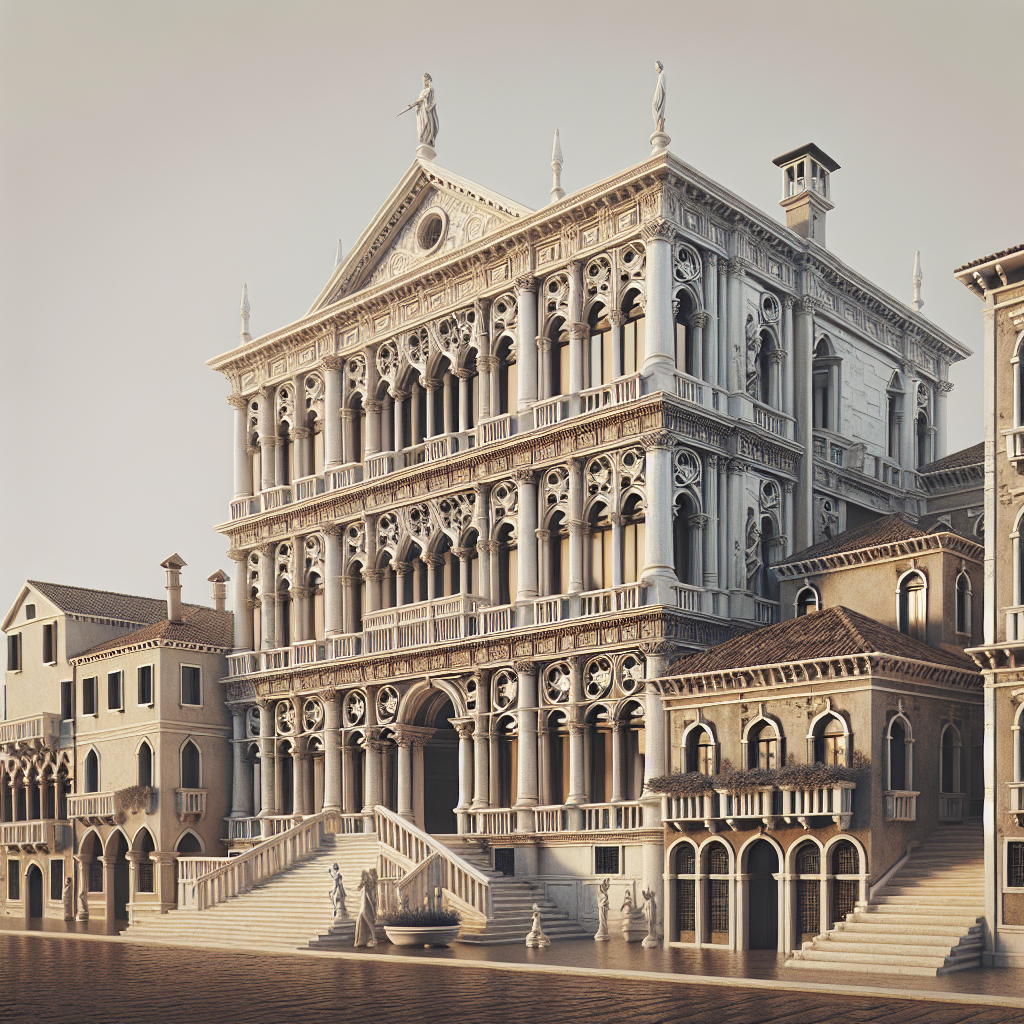

Mauro Codussi: The Architect Who Shaped Venice's Skyline
Imagine a time when Venice was not the architectural marvel it is today. Enter Mauro Codussi, the man who, in the late 15th century, transformed the city’s skyline with his innovative designs. Born in Lombardy around 1440, Codussi moved to Venice, where he left an indelible mark on the city’s architecture. His work, which spanned from the 1480s until his death in 1504, introduced the Renaissance style to Venice, blending it with the city's unique Gothic elements. Codussi's designs were not just about aesthetics; they were a statement of power and prestige, reflecting the city's growing influence in the world.
Codussi's architectural genius is evident in his masterpiece, the Church of San Zaccaria. Completed in 1515, this church is a testament to his ability to merge the traditional Gothic style with the new Renaissance flair. The façade of San Zaccaria is a harmonious blend of classical elements and intricate details, showcasing Codussi's skill in creating structures that were both beautiful and functional. His work on the church set a new standard for Venetian architecture, influencing countless architects who followed in his footsteps.
Another iconic structure attributed to Codussi is the Clock Tower in St. Mark's Square, completed in 1499. This tower is not just a timepiece; it is a symbol of Venice's maritime dominance. The clock, with its intricate mechanisms and stunning design, was a marvel of engineering at the time. Codussi's ability to integrate technology with architecture was revolutionary, and the Clock Tower remains one of Venice's most visited landmarks.
Codussi's influence extended beyond religious and civic buildings. He was also responsible for designing several palaces along the Grand Canal, including the Palazzo Vendramin-Calergi. This palace, completed in 1509, is a perfect example of Codussi's ability to create luxurious residences that exuded elegance and sophistication. The use of classical columns and symmetrical design elements in the Palazzo Vendramin-Calergi became a hallmark of Venetian architecture, setting a trend that would last for centuries.
Despite his significant contributions to Venice's architectural landscape, Codussi's work is often overshadowed by later architects like Andrea Palladio. However, it was Codussi who laid the groundwork for the Renaissance style in Venice, paving the way for future generations. His innovative use of space, light, and materials transformed the city, making it a beacon of architectural excellence.
Codussi's legacy is not just in the buildings he left behind but in the way he changed the perception of architecture in Venice. He demonstrated that architecture could be both functional and beautiful, a concept that was revolutionary at the time. His work inspired a new generation of architects who continued to push the boundaries of design, ensuring that Venice remained at the forefront of architectural innovation.
In a world where modern architecture often prioritizes function over form, Codussi's work serves as a reminder of the importance of beauty in design. His buildings are not just structures; they are works of art that continue to captivate and inspire. As we walk through the streets of Venice today, we are surrounded by Codussi's legacy, a testament to his vision and creativity.
So, the next time you find yourself in Venice, take a moment to appreciate the architectural wonders around you. Remember that it was Mauro Codussi who first dared to dream of a city that was not just a place to live but a masterpiece to behold. His vision transformed Venice into the architectural gem it is today, and for that, we owe him a debt of gratitude.