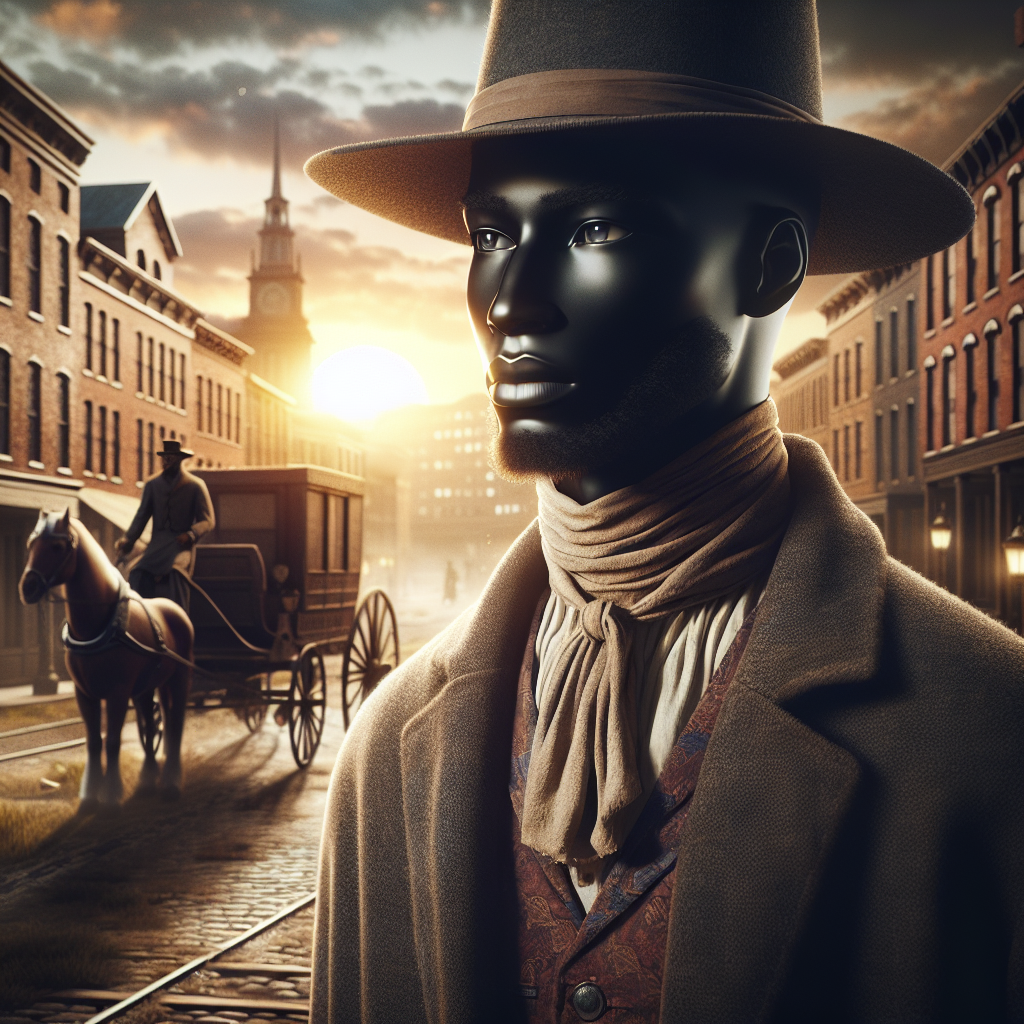

In the pantheon of American history, there are figures that stand bold and brash, kicking down doors and setting the stage for future generations. Martin Delany is one of those enigmatic personalities, who, from his birth in Charles Town, Virginia, in 1812, made waves that carried across the tumultuous ocean of 19th-century America. Delany – a physician, soldier, writer, and abolitionist – was a steadfast warrior for Black empowerment, refusing to play by the rules of those who sought to suppress him.
If you haven’t heard of him, maybe it’s time for a history lesson that would have some modern political commentators squirming in their seats. Delany was a trailblazer: he was one of the first three Black men admitted to Harvard Medical School, until they were unceremoniously booted following complaints from white classmates. But this didn’t deter him. He went on to practice medicine in Pittsburgh, a city that thrived under his unwavering determination.
Here’s the twist: Delany was not just about individual achievement. He championed the idea that Black Americans should govern themselves, free from the tyranny of white oppression. What could be more passionately individualistic and daring in the midst of an era when this was nothing short of revolutionary?
By now, the name Delany should be ringing in the annals of your mind, not just as a historical figure but as a pioneer for Black autonomy. During the Civil War, he was commissioned as a major in the Union Army, making him the highest-ranking Black officer at the time. Delany wasn't only fighting a war against the Confederacy; he was battling for the hearts and minds of his people, advocating for self-determination and national identity.
Delany’s travels took him beyond American shores to the African continent, familiarizing himself with the lands that bore his ancestors. He tried to negotiate treaties with African leaders, envisioning a self-sufficient, politically autonomous homeland for displaced descendants of African slaves. His plans were bold and perhaps too grand for his time, but his ambition remains inspiring.
This man was not afraid to disrupt the norms, and it's this trait that gets him conveniently stashed away in the dusty corridors of American history. He understood that entrenched power structures feared change, especially when it came in the form of an articulate, principled Black man with a vision.
In today’s political climate, Delany would likely find himself at odds with many current narratives, preferring actions to platitudes. One could argue that he embodies the spirit of conservatism more closely than liberals would care to recognize—valuing self-reliance and self-governance.
Despite the towering monuments and endless debates about who gets remembered and celebrated, Martin Delany stands as a testament to the ultimate human drive—freedom. So next time you think about the footnotes in history, give a nod to Martin Delany, a man unafraid to challenge the societal norms and articulate a future that many thought impossible.