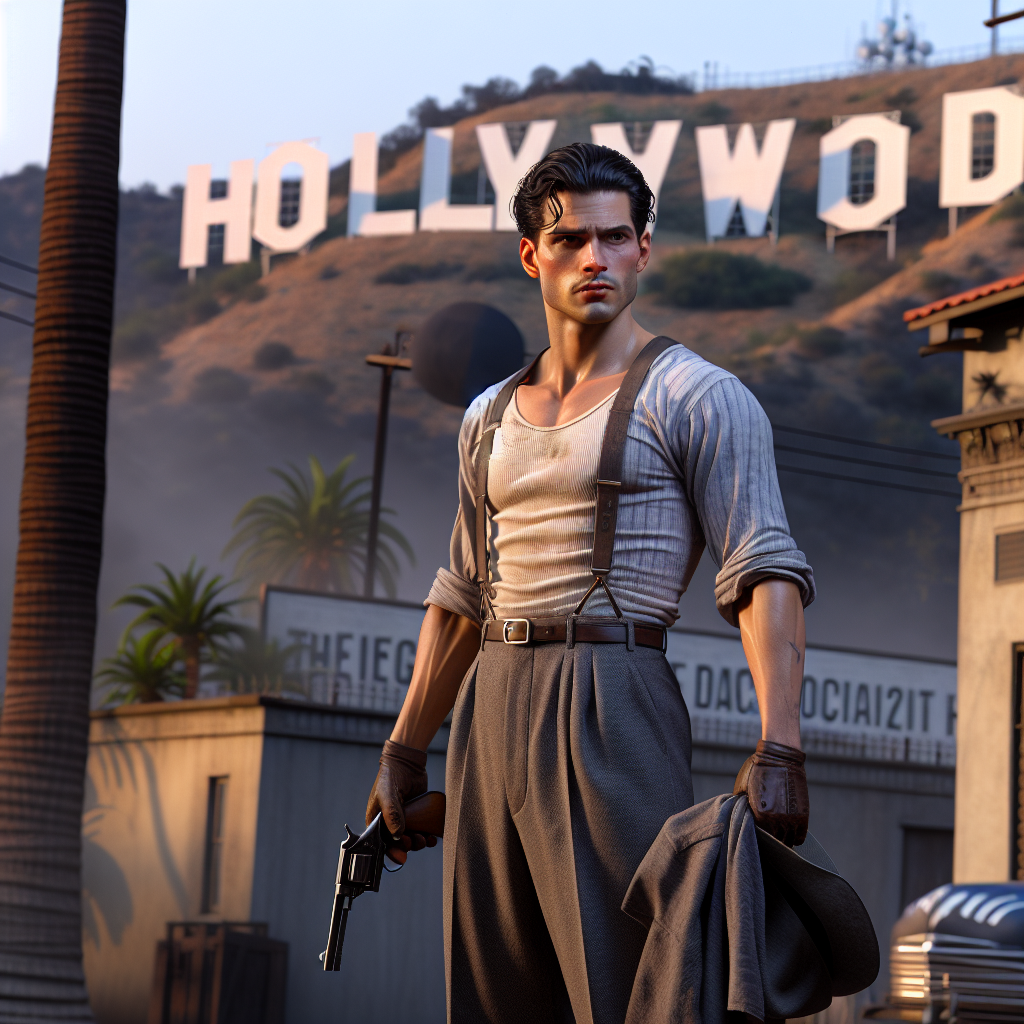

John Garfield was Hollywood's original rebel, and he didn’t play by the rules set by the industry or the political climate of his time. Born Jacob Julius Garfinkle on March 4, 1913, in New York City, he embodied the gritty essence of the streets. Garfield rose to fame in the 1930s and 40s as a pioneering actor who wasn’t afraid to embrace roles that were as daring as they were critical. His performances in films like "The Postman Always Rings Twice" and "Body and Soul" catapulted him to fame, but it was his off-screen defiance that truly set him apart.
First off, Garfield was a rare breed of actor—he showed up in Hollywood with a chip on his shoulder and a fire in his belly. At a time when movie stars were expected to present a polished public persona, Garfield embraced his rugged background. He was a man from the Bronx who never quite shed his streetwise veneer. His ability to channel this raw energy into roles made him a champion of the working class, and audiences loved him for it. But Hollywood could only celebrate his rugged charm for so long before the political climate of the McCarthy era caught up with him.
Despite his popularity, Garfield's leftist affiliations put a target on his back. He was blacklisted during the Red Scare because he refused to name names when called before the House Un-American Activities Committee. Hold on to your hats—it turns out, unwavering loyalty to one’s peers and privacy was an intolerable sin during those witch-hunting days. His career took a nosedive, proving that Washington politics had infiltrated the glitz and glamour of Tinseltown more than anyone cared to admit. When John Garfield stood up for personal liberties, he paid the ultimate Hollywood price.
Garfield’s biggest mistake in the eyes of those hunting communists was his stubborn refusal to play ball. They asked him to denounce associates, and Garfield, ever the man's man, opted out of betraying his friends. In 1952, at just 39 years old, Garfield's once-blazing star was extinguished when he died from a heart attack, hastened perhaps by the stress and strain of battling Hollywood's political machinery. Unlike the sanitized stars of the silver screen today, Garfield was all about authenticity, whether you liked it or not.
It’s no secret that Hollywood has a political bias, and Garfield's tragic story is a prominent example of that tendency. He made movies that were meant to entertain and provoke thought, appearing in over 20 films in a career cut short by politics. Friends of Garfield noted his disillusionment with the Hollywood system that he felt betrayed him, a sentiment probably shared by those rare individuals who dare to break the mold.
John Garfield’s roles weren’t for the fainthearted or the politically correct. He played men of complexity, offering layers of emotion that left audiences captivated. He was a boxer in "Body and Soul" and a restless soldier in "Pride of the Marines", characters that seemed to mirror his turbulent life. People like to romanticize his untimely death as the ultimate act of defiance against a flawed system. Whether you see him as a martyr or a victim, one thing is clear—Garfield was no saint, yet he was everything Hollywood needed him to be and more. His realness was uncomfortable, perhaps too real for the dream factory that is Hollywood.