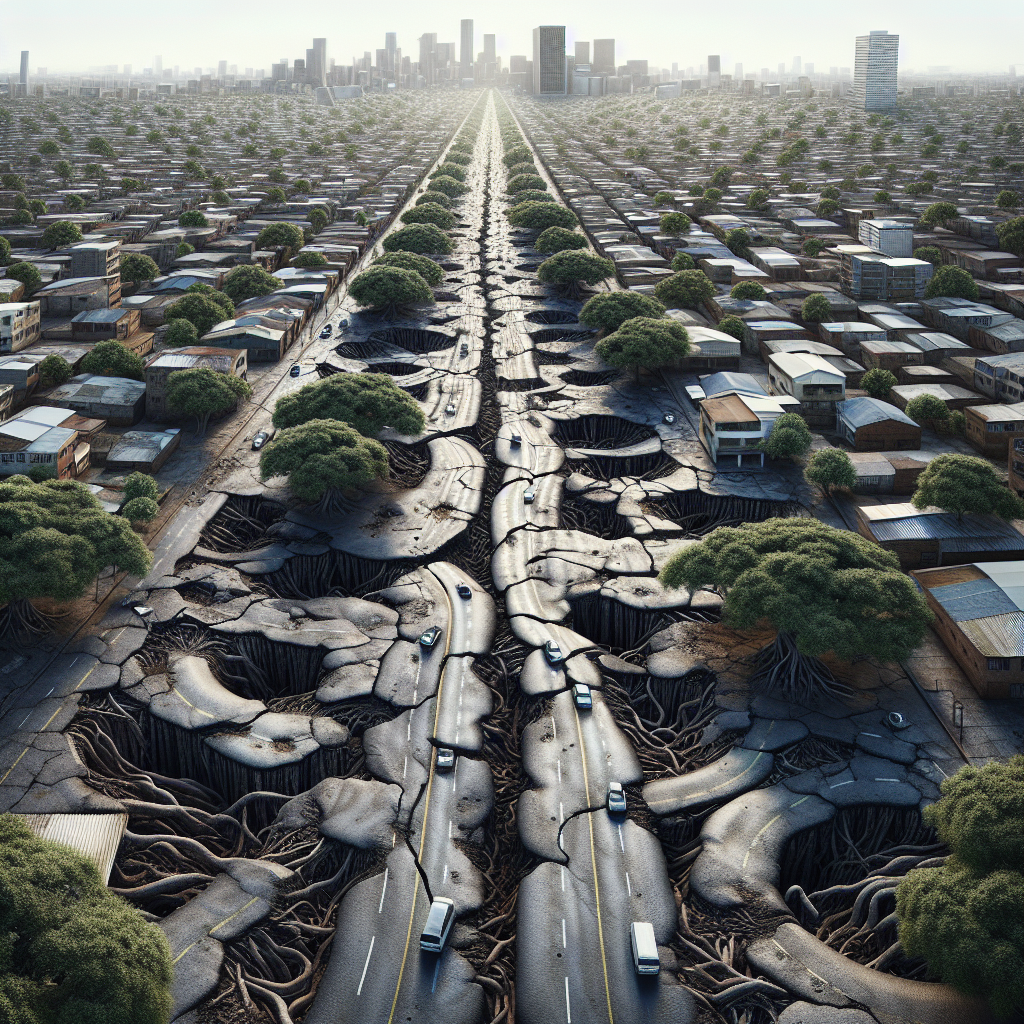

Johannesburg Roads Agency: A Pothole Paradise
Imagine a city where the roads resemble a lunar landscape more than a modern metropolis. Welcome to Johannesburg, South Africa, where the Johannesburg Roads Agency (JRA) is supposed to maintain the city's streets. Established in 2001, the JRA is tasked with the upkeep of roads, bridges, and stormwater infrastructure. However, the agency has become infamous for its inability to keep the roads in decent condition, turning the city into a pothole paradise. The question is, why has the JRA failed so spectacularly at its job?
First off, let's talk about the sheer incompetence. The JRA has been plagued by mismanagement and corruption scandals for years. Funds that should be used for road maintenance mysteriously disappear, and projects are often left incomplete. It's almost as if the agency is more interested in lining its pockets than filling potholes. The result? Roads that are more suited for off-road vehicles than everyday cars.
Then there's the issue of prioritization. Instead of focusing on essential repairs, the JRA often embarks on flashy projects that do little to improve the overall state of the roads. It's as if they're more interested in photo ops than actual progress. Meanwhile, the average driver is left to navigate a minefield of potholes and crumbling infrastructure. It's a classic case of style over substance, and the citizens of Johannesburg are paying the price.
The JRA's lack of accountability is another major problem. When roads are in disrepair, there's little recourse for residents. Complaints are often ignored, and there's no clear system for holding the agency accountable. It's a bureaucratic nightmare that leaves citizens feeling powerless and frustrated. The JRA operates with impunity, knowing that there's little chance of facing consequences for their failures.
Let's not forget the impact on the economy. Poor road conditions lead to increased vehicle maintenance costs, higher accident rates, and reduced productivity. Businesses suffer as transportation becomes more difficult and costly. The JRA's failures are not just an inconvenience; they're a drain on the city's economy. It's a lose-lose situation for everyone involved, except perhaps the JRA officials who continue to collect their paychecks.
The environmental impact is another overlooked consequence. Poorly maintained roads lead to increased vehicle emissions as cars are forced to navigate rough terrain. The constant need for repairs also means more construction, which contributes to pollution and waste. The JRA's incompetence is not just a local issue; it's contributing to global environmental problems.
One might wonder why the JRA hasn't been reformed or replaced. The answer lies in the tangled web of politics and bureaucracy. The agency is a product of a system that rewards loyalty over competence. As long as the right people are in charge, there's little incentive to make meaningful changes. It's a classic case of the fox guarding the henhouse, and the citizens of Johannesburg are left to suffer the consequences.
The JRA's failures are a microcosm of larger issues facing South Africa. Corruption, mismanagement, and a lack of accountability are rampant throughout the country. The roads of Johannesburg are just one example of how these problems manifest in everyday life. It's a sad state of affairs, but one that is unlikely to change without significant political will and reform.
In the end, the Johannesburg Roads Agency is a cautionary tale of what happens when an organization is allowed to operate without oversight or accountability. The roads of Johannesburg are a testament to the agency's failures, and a daily reminder to its citizens of the incompetence that plagues their city. Until the JRA is held accountable, the pothole paradise will continue to thrive, much to the detriment of everyone who calls Johannesburg home.