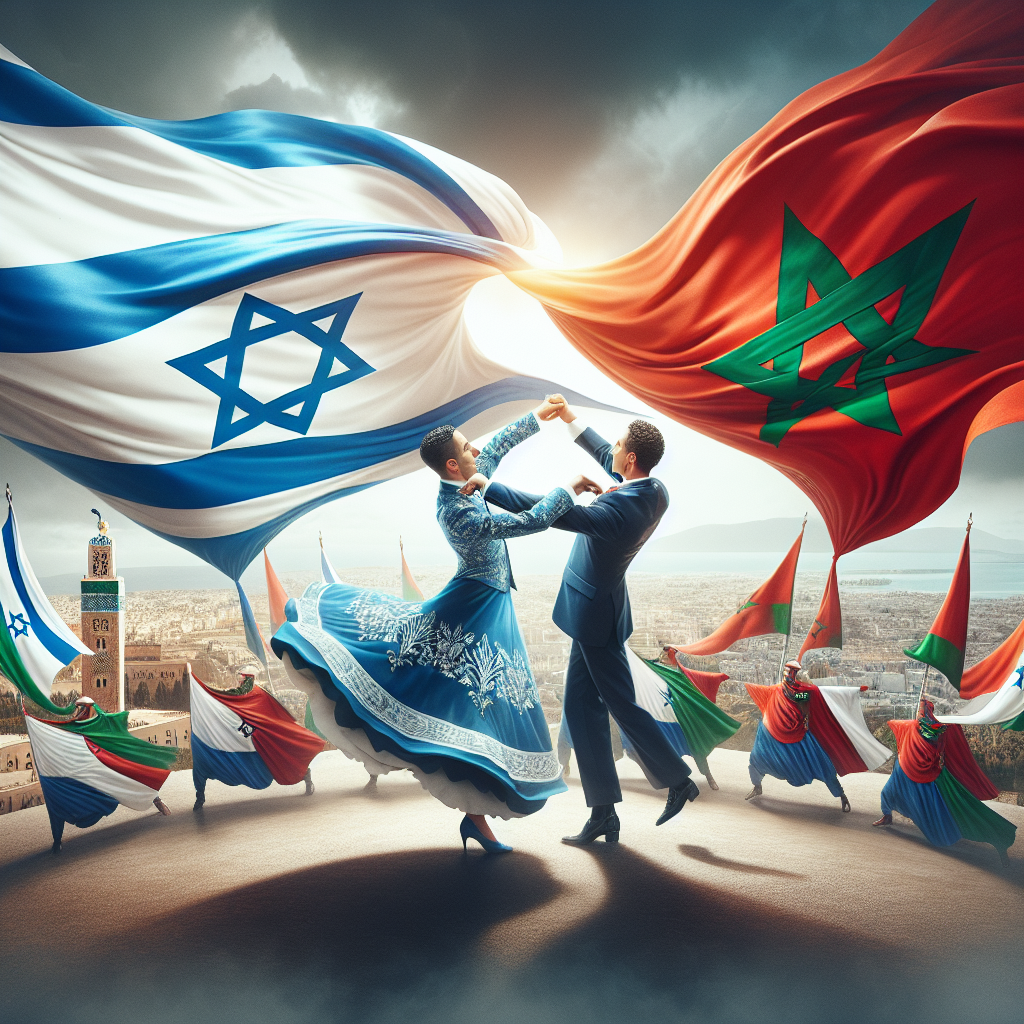

The Unstoppable Alliance: Israel and Morocco's Diplomatic Dance
In a world where political alliances shift like sand dunes in the desert, the recent diplomatic tango between Israel and Morocco is a spectacle worth watching. In December 2020, the two nations decided to rekindle their relationship, a move that has sent shockwaves through the Middle East and beyond. This historic agreement, brokered by the United States, saw Morocco become the fourth Arab nation to normalize ties with Israel in a span of just four months. The deal was sealed with a promise of economic cooperation, direct flights, and the opening of embassies, marking a new chapter in the geopolitical landscape of the region.
First, let's talk about the who. On one side, we have Israel, a nation often at the center of Middle Eastern politics, known for its technological prowess and military strength. On the other, Morocco, a North African kingdom with a rich history and a strategic location. The what is the normalization of diplomatic relations, a significant step considering the historical tensions between Israel and many Arab nations. The when is December 2020, a time when the world was grappling with a pandemic, yet these two nations found a way to look beyond immediate crises and focus on long-term gains. The where is the Middle East and North Africa, a region often associated with conflict but now showing signs of cooperation. The why is multifaceted: economic benefits, security cooperation, and a shared interest in countering regional threats.
Now, let's dive into why this matters. First, it's a win for economic collaboration. Both nations stand to gain from increased trade and investment. Israel's tech industry can find new markets in Morocco, while Moroccan goods can flow into Israel, boosting both economies. This is capitalism at its finest, where mutual benefit trumps old grudges.
Second, it's a strategic move against common adversaries. With Iran's influence growing in the region, Israel and Morocco find themselves on the same side of the chessboard. By joining forces, they can better counteract threats and ensure regional stability. This is a classic case of "the enemy of my enemy is my friend," and it's a smart play in the game of geopolitics.
Third, it opens the door for cultural exchange. Both nations have rich histories and vibrant cultures. By normalizing relations, they can share their heritage, fostering understanding and goodwill among their people. This is a step towards a more peaceful and interconnected world, something that should be celebrated.
Fourth, it sets a precedent for other Arab nations. By taking this bold step, Morocco has shown that it's possible to move past historical grievances and work towards a brighter future. This could encourage other countries in the region to follow suit, leading to a domino effect of peace and cooperation.
Fifth, it strengthens ties with the United States. The U.S. played a crucial role in brokering this deal, and both Israel and Morocco stand to benefit from closer relations with the world's superpower. This is a strategic win for all parties involved, as it solidifies alliances and opens the door for further collaboration.
Sixth, it highlights the failure of the liberal narrative that peace in the Middle East is impossible without addressing the Palestinian issue first. This agreement shows that nations can pursue their interests and forge alliances without being held hostage by a single issue. It's a refreshing change from the usual doom and gloom rhetoric.
Seventh, it boosts tourism. With direct flights now possible, Israelis and Moroccans can explore each other's countries, boosting tourism and creating new opportunities for businesses. This is a win for the travel industry and a chance for people to experience new cultures firsthand.
Eighth, it enhances security cooperation. Both nations face threats from extremist groups, and by working together, they can better protect their citizens. This is a practical and necessary step in ensuring the safety and security of their people.
Ninth, it promotes technological innovation. Israel is known for its tech industry, and by partnering with Morocco, there's potential for groundbreaking collaborations in fields like agriculture, water management, and renewable energy. This is a chance to harness the power of innovation for the greater good.
Tenth, it shows that diplomacy is not dead. In a world where conflict often seems inevitable, this agreement is a reminder that dialogue and negotiation can lead to positive outcomes. It's a testament to the power of diplomacy and a hopeful sign for the future.
In the end, the Israel-Morocco agreement is a game-changer. It's a bold move that challenges the status quo and offers a glimpse of what the future could hold. It's a reminder that in the world of politics, anything is possible, and sometimes, the most unexpected alliances can lead to the greatest rewards.