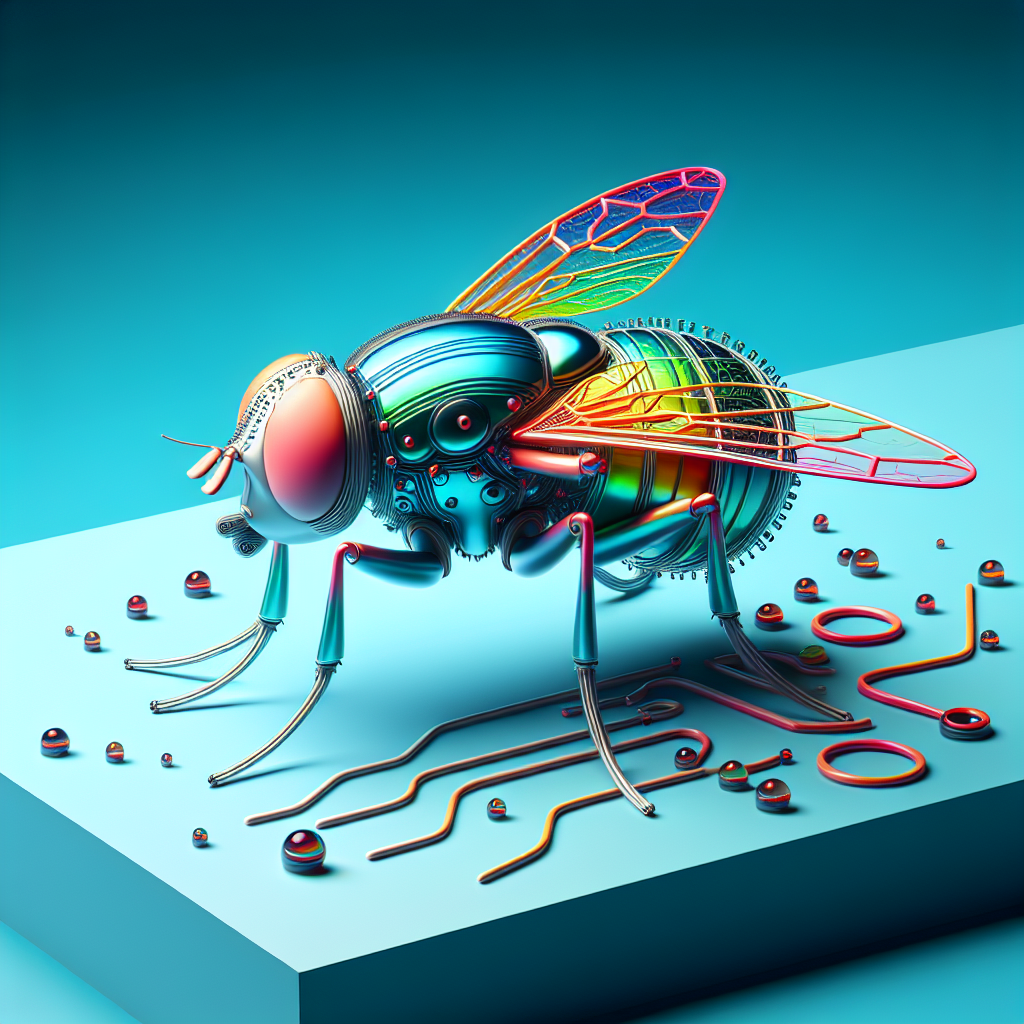

What's tiny, water-loving, and more misunderstood than actual economic policy? It's the Isonychia, a genus of mayflies that's been fluttering through our waters since—well, probably before you or I could even think about taxes. Native to North American streams and riverbanks, these small insects are an essential part of aquatic ecosystems.
First, let's give credit where credit's due. Isonychia comes on the scene primarily in late spring and summer, usually in streams and rivers across North America. Their habitats are where the real action happens—a breeding ground of life that kicks off food chains and should be hailed as a hero to fishermen everywhere. Unlike policymakers powered by nothing but bureaucracy, Isonychia's sole mission is, in fact, to thrive in its ecosystem. They provide crucial nutrients to fish, particularly trout, and various birds, turning uninspired water flows into the best buffet this side of the lexical pond.
These guys have political skills that most politicians could only dream of. They manage to wiggle their way into every nook and cranny of a stream's ecosystem. With over 20 known species, Isonychia ensures that nobody in the aquatic world goes hungry. So, if you’ve ever reeled in some plump trout, remember: it could be their gift to your dinner plate. It’s no exaggeration to say that Isonychia work harder than the local government.
Let’s talk about Isonychia's development process. Unlike the revolving door of political promises left unfulfilled, these critters transform from aquatic nymphs to their airborne adult forms with a precision that only nature could master. The nymphs, spending up to a year in their watery homes, undergo a metamorphosis that would make any progressive dream of transitional glory pale in comparison. When conditions are ideal, they take to the air in swarms. This natural cycle is so impressively orchestrated that it leaves one wondering why natural order ever needed regulation in the first place.
Now here comes the kicker: like most political aspirations gone awry, Isonychia populations can be severely impacted by water quality—or the lack thereof. Well, isn't that a dose of reality? Industrial runoff and waste discharges harm these critters, but so do certain environmental and agricultural over-regulations. When the push for stricter control over every drop of water has unintended consequences, children, er, mayflies, suffer. We need these mayflies around to keep the fish populations healthy, which might just mean keeping fishing and hunting endeavors—traditions that some seem keen on ignoring—alive and well.
Political headliners should take a cue from our little mayfly friends. In this complex web of natural processes, any interruption in the food supply chain could be disastrous for human recreation and livelihoods dependent on thriving aquatic ecosystems. In the end, without Isonychia, many recreational fishing industry workers might find themselves as extinct as a balanced budget.
A quick lesson from the mayfly's book of life: balance is key. They are nature’s advocates for what really matters—thriving ecosystems that serve everyone. Not every problem can be solved by mandates or new regulations. Sometimes, a hands-off approach lets Mother Nature do her job, preserving the indispensable processes threatened by overzealous ‘protectors’ of the earth.
As we advocate for solid environmental policies, let's think less about who wins the headlines and more about who wins in the long run. Things humans do can end up hurting the eclectic little workers of the insect world, like the Isonychia, who quietly earn their keep. This bite-sized bug is living proof that sometimes, less interference leads to success—one lesson perhaps forgotten in some corners of politics.
If we really want ecosystems to thrive, let’s start by letting nature run its course and by appreciating the small wonders, like the Euthyplocia or Ephoron regem ones, that keep everything in balance. It’s not government grants that preserve the splendor of trout or bass, and it’s not cries for unchecked changes that allow for the soft murmurs of forest streams.
Start thinking more about how each part of the ecosystem—and each individual within it—can support the whole. Offer genuine freedom to nature’s workers like Isonychia.
So, as you ponder this humble creature during your next fishing trip, tip your hat (or your tackle box) in acknowledgment that the best stewards of the Earth are, often, the diligent, unassuming insects doing their jobs without needing a policy to remember their lines.