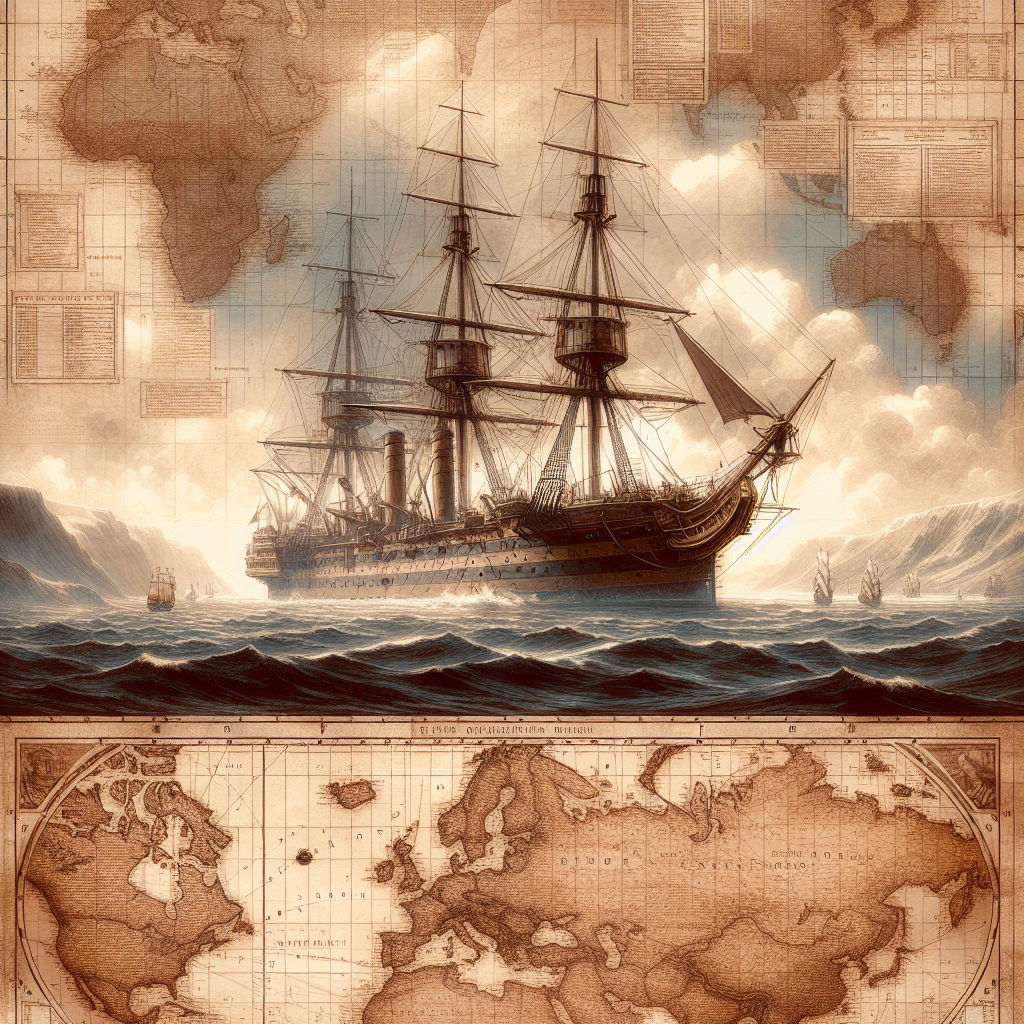

The HMS Gloucester: A Tale of Royal Folly and Naval Catastrophe
Ah, the HMS Gloucester, a ship that sailed into history not for its triumphs, but for its spectacular failure. Built in 1654 during the tumultuous times of the English Commonwealth, this warship was a symbol of naval might. But fast forward to 1682, and the Gloucester became infamous for a royal blunder that would make even the most ardent monarchist cringe. On May 6th, off the coast of Norfolk, England, the ship met its watery grave, all thanks to the reckless decisions of none other than James Stuart, the Duke of York and future King James II. Why? Because he insisted on navigating through treacherous waters, ignoring the advice of seasoned sailors. Talk about a royal misstep!
First off, let's talk about the sheer arrogance of James Stuart. Here was a man who thought he knew better than the experts. The Gloucester was carrying him and a host of other dignitaries, and yet, he decided to play captain. The result? The ship struck a sandbank and sank, taking with it precious lives and cargo. This wasn't just a maritime disaster; it was a royal embarrassment. James managed to escape, but not without leaving a trail of chaos and loss behind him. It's a classic case of hubris leading to downfall, a lesson that seems lost on those who think they know it all.
Now, let's address the ship itself. The HMS Gloucester was no ordinary vessel. It was a third-rate frigate, armed to the teeth and ready for battle. It had seen action in the Anglo-Dutch Wars and was a testament to English naval engineering. Yet, all it took was one man's folly to send it to the bottom of the sea. The ship's sinking was a blow to the Royal Navy, a reminder that even the mightiest can fall when led by incompetence. It's a story that should serve as a warning to those who place blind faith in authority without question.
The aftermath of the Gloucester's sinking was a spectacle in its own right. James Stuart, ever the opportunist, managed to spin the disaster to his advantage. He blamed the ship's pilot, conveniently ignoring his own role in the catastrophe. It's a move straight out of the political playbook: deflect, distract, and deny. The fact that he later ascended to the throne as King James II is a testament to the resilience of the ruling class, even in the face of their own blunders. It's a narrative that should make anyone question the wisdom of hereditary leadership.
Let's not forget the human cost of this disaster. Over 100 souls perished in the sinking, their lives cut short by the whims of a royal ego. These were sailors, servants, and soldiers, people who trusted their leaders and paid the ultimate price. Their stories are often overshadowed by the more glamorous tales of kings and queens, but they deserve to be remembered. The Gloucester's sinking is a stark reminder of the human toll of poor leadership, a lesson that resonates even today.
In the grand tapestry of history, the HMS Gloucester is a thread that stands out for all the wrong reasons. It's a story of arrogance, incompetence, and tragedy, a cautionary tale that should be etched in the annals of naval lore. The ship's wreckage, discovered centuries later, serves as a haunting reminder of what happens when power goes unchecked. It's a narrative that should make anyone think twice about the wisdom of following leaders blindly, especially those who think they know better than the experts.
So, the next time you hear about the HMS Gloucester, remember it not as a symbol of naval prowess, but as a testament to the perils of arrogance and the cost of poor leadership. It's a story that should make anyone question the wisdom of placing blind faith in authority, a lesson that remains as relevant today as it was in 1682.