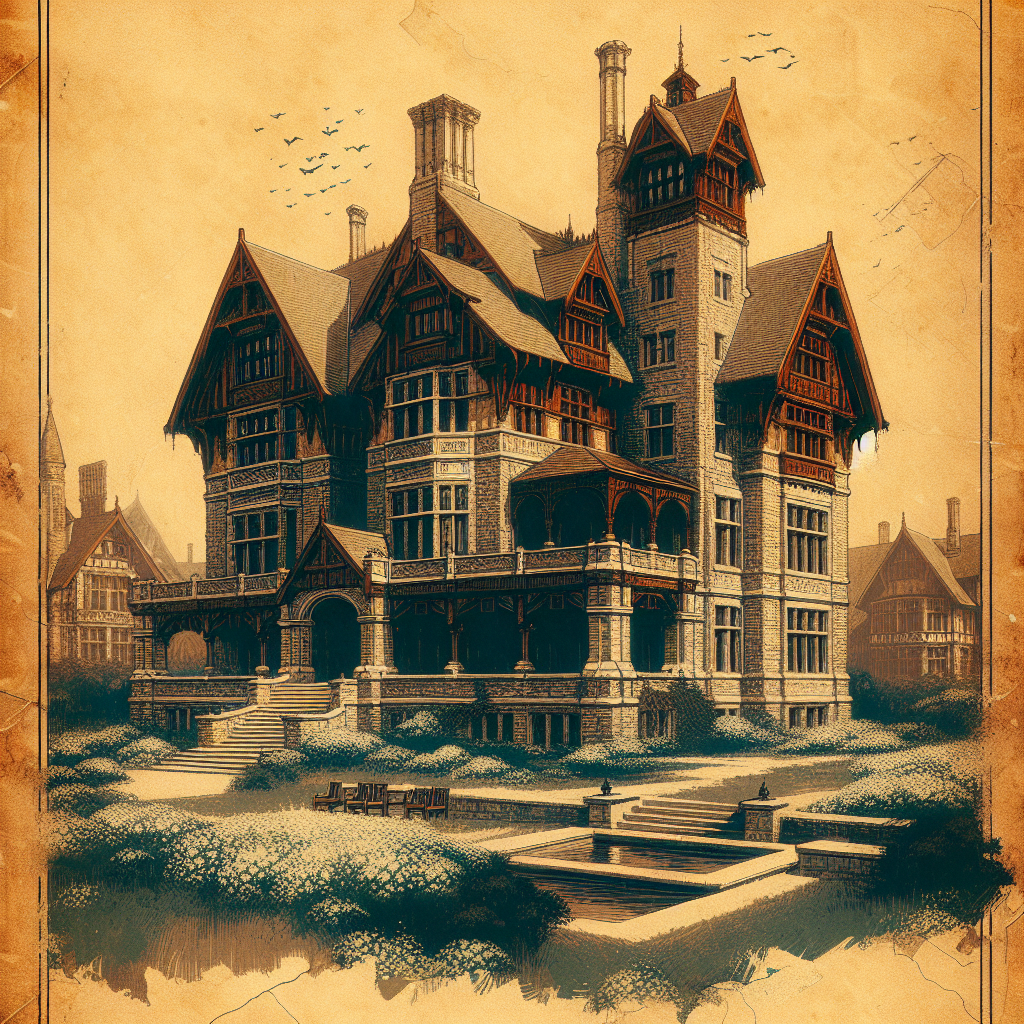

The Harry F. Sinclair House: A Monument to Capitalism and Controversy
Once upon a time in the bustling heart of New York City, a mansion was built that would become a symbol of opulence, power, and scandal. The Harry F. Sinclair House, constructed in 1898, stands proudly at 2 East 79th Street, a testament to the Gilded Age's excesses and the audacity of its namesake, Harry Ford Sinclair. This oil tycoon, who founded the Sinclair Oil Corporation, was a man who knew how to make headlines, not just for his business acumen but also for his involvement in one of the biggest political scandals of the 20th century—the Teapot Dome Scandal. This house is more than just bricks and mortar; it's a monument to capitalism's triumphs and pitfalls.
The Harry F. Sinclair House is a stunning example of French Renaissance architecture, designed by the renowned architect C.P.H. Gilbert. It was originally built for the widow of Isaac D. Fletcher, a wealthy banker, but it was Sinclair who truly put it on the map. Sinclair, a man who amassed his fortune in the oil industry, purchased the mansion in 1918. He was a figure who embodied the American Dream, rising from humble beginnings to become one of the wealthiest men in the country. But, as with many tales of great wealth, his story is not without its dark chapters.
Sinclair's name became synonymous with scandal when he was implicated in the Teapot Dome Scandal, a bribery incident that rocked the Harding administration in the early 1920s. Sinclair, along with other oil magnates, was accused of bribing government officials to secure lucrative oil leases without competitive bidding. This scandal was a stark reminder of the dangers of unchecked capitalism and the lengths to which some will go to protect their interests. Sinclair's involvement led to a trial and a brief stint in prison, but not before he had cemented his legacy as a controversial figure in American history.
The mansion itself is a marvel, with its limestone façade, intricate carvings, and grand interiors. It stands as a reminder of a time when wealth was flaunted with little regard for modesty. The house has seen many changes over the years, serving as the headquarters for the Ukrainian Institute of America since 1955. Yet, its history is forever intertwined with the story of Harry F. Sinclair and the scandal that bears his name.
The Harry F. Sinclair House is a symbol of the American spirit—ambitious, audacious, and sometimes reckless. It represents the heights of success that can be achieved in a capitalist society, but also the potential for moral and ethical lapses. The mansion is a physical manifestation of the complexities of wealth and power, a reminder that with great fortune comes great responsibility.
In today's world, where the divide between the wealthy and the rest of society seems ever-widening, the story of Harry F. Sinclair and his house serves as a cautionary tale. It challenges us to consider the true cost of success and the ethical boundaries that should guide our actions. The mansion stands as a monument to a bygone era, but its lessons are as relevant today as they were a century ago.
The Harry F. Sinclair House is more than just a building; it's a piece of history that continues to provoke thought and debate. It is a testament to the enduring allure of wealth and the inevitable controversies that accompany it. As we gaze upon its grand façade, we are reminded of the complexities of the human pursuit of success and the moral dilemmas that often accompany it.