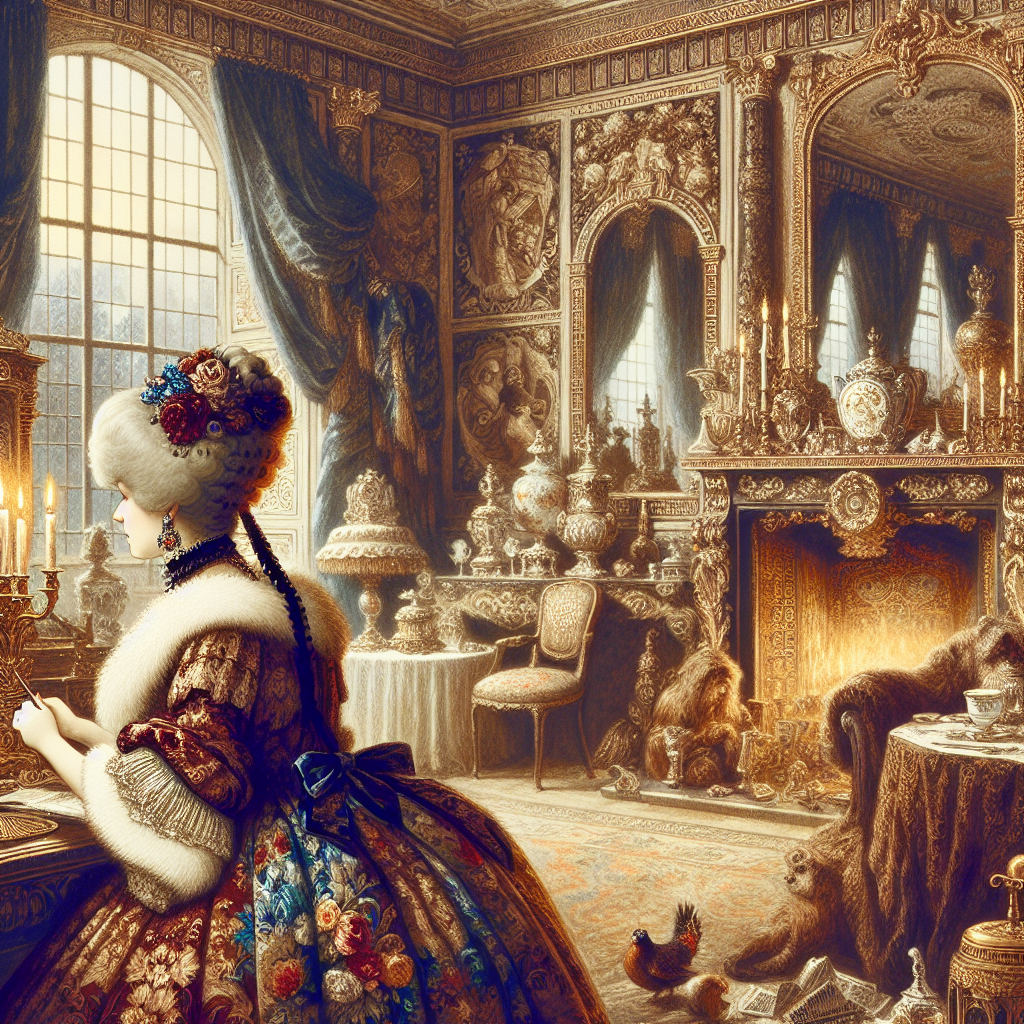

Harriette Wilson wasn't the kind of woman who tiptoed through life. Born in London in 1786, she grew up to be an unapologetically bold courtesan in 19th century England—a time when women were expected to exist quietly in the shadows. Her audacious attitude landed her smack dab in the middle of British high society's most scandalous chronicles, culminating in her infamous memoirs published in 1825. These memoirs weren't just scandalous bedtime reading; they were a social hand grenade, exploding with juicy tales that laid bare the hypocrisy of the elites who bathed in etiquette by day and decadence by night.
If you thought tabloids were potent today, imagine having actual nobility knocking on your door with checkbooks open, terrified of being immortalized in your juicy pages. Harriette pulled no punches, naming a staggering roster of powerful men—like the Duke of Wellington, nary a slouch himself—who wanted their sordid dealings kept under wraps. Her memoirs were the 19th-century equivalent of a trending hashtag gone viral. They didn't just turn heads; they turned status quo into chaos.
And lest anyone think Harriette was all wit and no heart, she painted vivid, sometimes heart-wrenching portraits of her life and choices, which weren’t made in some feminist surge of independence. Instead, they were the strategic moves of a woman who navigated a society built against her. Who needs modern-day reality shows when you've got Harriette Wilson blurring the lines between social climber and survivor?
Liberals today may try to paint courtesans like Wilson as femme fatales flying under a false flag of feminism, but the truth is Harriette played the cards she was dealt with savvy and guts. In a man's world where divorce was not an option, women like her had few paths to financial independence. Shockingly, her memoirs shamed enough blue-blooded men that they hurried to pay her off to keep their skeletons hidden. Far removed from being a simple escort service provider, she showcased the battle between private desires and public facades.
Harriette was as much a product of her environment as she was a rebel against it. She traversed the world of privileged hypocrisy with panache, tagging along with power brokers often more eager for her company than they were for the company of their estates. Her tales of gallivanting with lords, dukes, and future Kings are peppered with stark honesty that transcended tabloid gossip to become a declaration of her autonomy.
Even in death, Harriette retains an indelible imprint on the annals of history, as proof that courage and truth-telling will always have a place on the public stage. Her story is a cautionary narrative for those who aim to subjugate what's inconvenient: the personal shall forever be political, and memoirs like hers are a testament to the fact that even in the restrictive corsets of a bygone era, women like Harriette found a way to breathe.