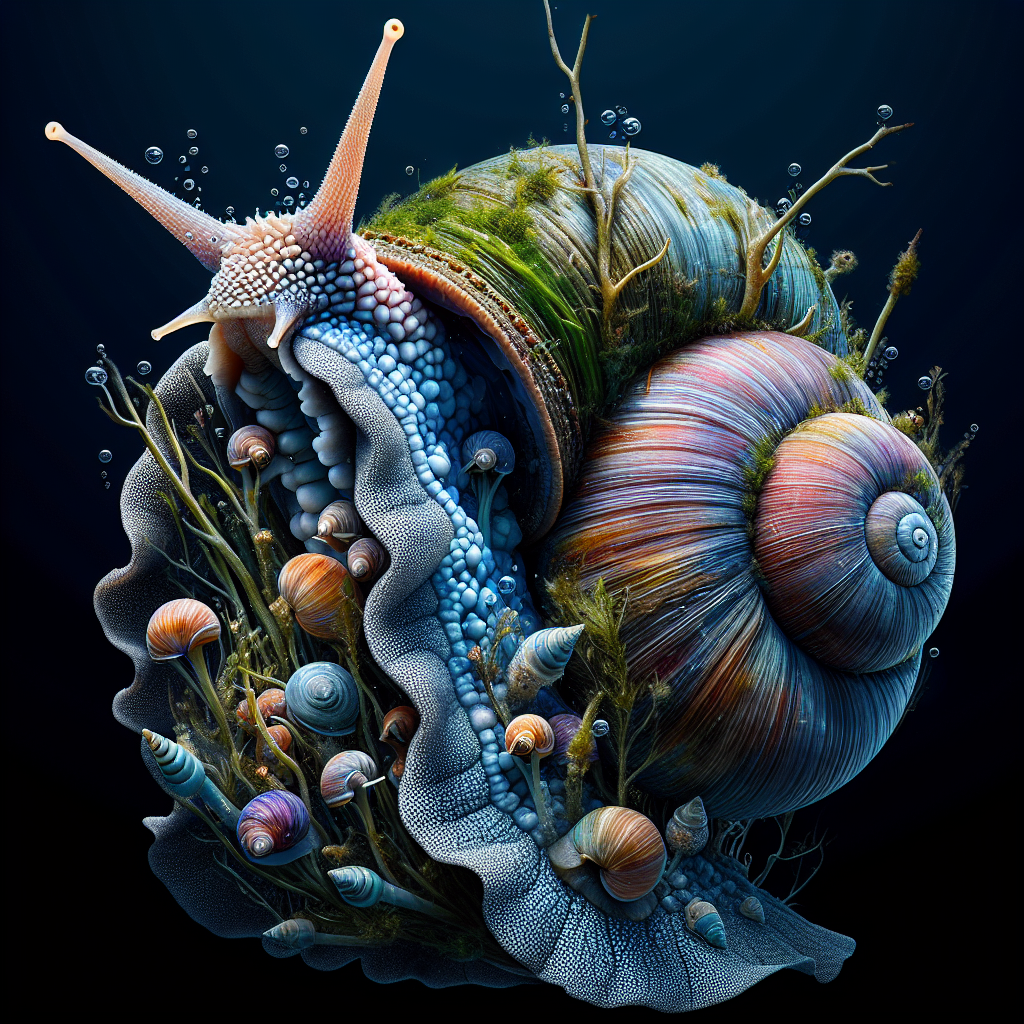

Freshwater snails: tiny creatures with a big impact and an uncanny knack for spiraling into the center of heated debates about ecosystems. These mollusks call the world’s freshwater bodies their home, stretching their dominance to virtually every continent where water is found. From the diverse rivers of the Amazon to the quiet ponds of North America, they have spread their slow charm everywhere. You might not think much of these little guys, but they play an extraordinary role in their ecosystems and, shockingly, can lead to some heated debates.
Diverse and Ubiquitous: Freshwater snails come in countless species and sizes. There are thousands of types, each with its unique shell design, making them a great example of biodiversity. They not only showcase nature’s creativity but also are essential to aquatic ecosystems.
Ecological Marvels: They perform the unsung work of cleaning up water bodies. Often regarded as the custodians of their watery homes, they feed on algae, detritus, and other organic matter, controlling populations that could otherwise explode unchecked.
Pyramid Builders: Freshwater snails may seem insignificant, but they are an important link in the food chain. From fish to birds, many species depend on snails as a primary food source. This relationship shows their critical role in maintaining balanced habitats.
Biological Indication: These snails are more than just a food source. The presence and health of freshwater snails are strong indicators of water quality. A healthy snail population often indicates a thriving aquatic ecosystem.
Health Risks: Yes, even the innocent-looking snail has a dark side. Some species are hosts for parasites, leading to diseases such as schistosomiasis in humans. Their presence can indicate larger problems that can affect both humans and animals.
Reproductive Wonders: Their reproductive strategies are impressive, ranging from laying hundreds of eggs to live births. They have adapted to thrive in various conditions, which is an underlying reason for their widespread presence.
Mollusk or Malice? Freshwater snails can be pests too, sometimes leading to agricultural issues in the form of pest invasions, as they feast on crops. This is where they can become the target of regulation and control measures.
Aesthetic Appeal: Their shells are sought after by collectors. Artists and decorative enthusiasts appreciate the natural beauty of snail shells, leading to their use in various crafts and collections.
Conservative Conservation: Snails are integral to discussions on conservation and have often been the subject of plans to protect water bodies from larger threats of contamination and pollution. Some might argue this is where environmental legislation comes into play, a topic that can get pretty sticky depending on who you ask.
Climate Change Champions: As with many creatures, climate change impacts the snail population. Yet, they are resilient in the face of adversity. Their adaptability showcases a resistance to environmental changes that may surprise many who underestimate them.
Freshwater snails may seem slow but when you look deeper, their contributions to ecosystems and their ecological importance are quite swift in capturing attention. They highlight the complexity of aquatic ecosystems and summer trips to a lake might never look the same after you realize the underwater communities brimming with life. Ignore the liberal extremism when they overhype every single threat. Instead, let's focus on appreciating the ecological roles and realities surrounding these fascinating mollusks, displaying the dance of nature's balance.