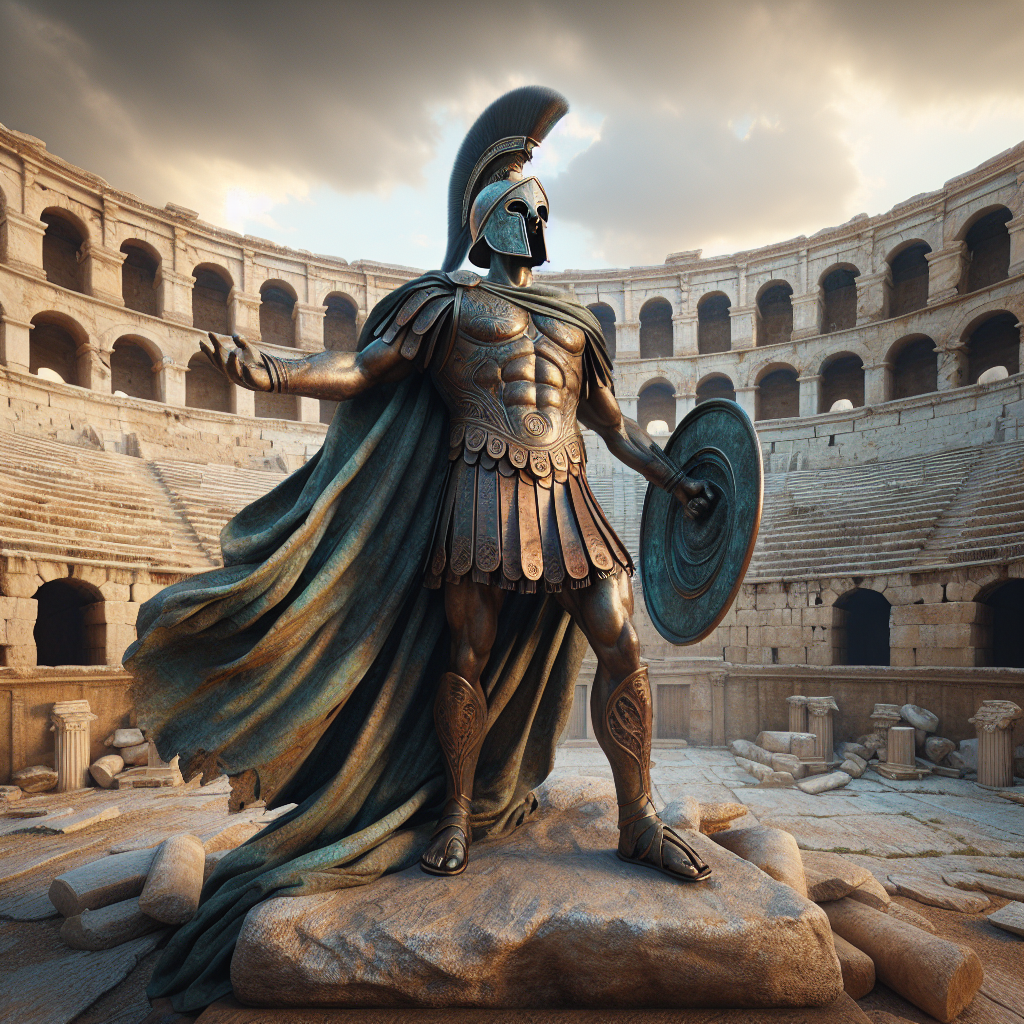

The tale of Filotas is as gripping as a political thriller, and it’s one that's kept history buffs buzzing. A backdrop of ancient Macedonia, circa 330 BCE, sets the stage for Filotas—an impassioned military commander under Alexander the Great—caught amidst a web of power plays and intrigue. His fate, unjustly tangled in allegations of treason, highlights a timeless narrative of power, loyalty, and the grim reality faced by those who dare to question authority.
Filotas was not just any figure. He was the offspring of Parmenion, one of Alexander's most trusted generals, and held a prestigious position within the Macedonian army. You might think having connections in high places ensures safety and longevity, but history loves to prove otherwise. His journey, peppered with both accolade and suspicion, exemplifies the treachery that can slam you down even when you're climbing a golden ladder.
So, where did it all go so wrong for Filotas? As with any captivating plot, there are multiple layers. The issue stemmed from whispers of conspiracy. The witch hunt took root in whispers and circumstantial evidence—ah, nothing wholly peculiar if you look at how modern political sagas unravel too. Accusations flew of Filotas both knowing about a plot against Alexander and failing to report it. In today’s terms, it’s like getting the short end of the stick for being framed in a group chat you’ve barely skimmed.
Once you’re on that slippery slope of suspicion, no amount of pedigree or prestige can save you. The trial that ensued was as much about Alexander reinforcing his unchallenged rule as it was about Filotas' guilt or innocence. The tragedy of Filotas illustrates the bleak necessity of eliminating anyone who remotely sniffs of a threat to consolidated power, especially in times of war or expansion. Imagine a CEO eliminating a critical executive team member based purely on workplace rumors. It stinks of desperation exerted by those who fear the collapse of their empire under barely-there threats.
His execution—marked down as prevention rather than justice—fed the perpetual cycle of fear among Alexander's ranks. It echoed the ugly reality that when the stakes are high, and the leader is hungry for control, those on the lower rungs pay the price. It’s the antithesis of what one might term as just punishment. But here's the unexpected twist: rather than being a stone-cold survival-of-the-fittest narrative, Filotas' tale speaks volumes about moral fortitude and the price of doing the ‘right thing’ when it’s politically wrong.
And now, let's stretch this saga toward the broader canvas. It's not an isolated antiquarian mishap—in today’s politically charged environment, echoing power struggles can still be witnessed. The heir of Macedonian whispers lives on in boardrooms, governments, and media ensnared in politically barbed traps. It’s as if paranoia, infused with ambition, has remained humanity’s staunchest bedfellow throughout the ages.
Why has Filotas' story endured? Aside from being every lover of historical trials' favorite juicy tidbit, it’s because it resonates on a much wider plane. It's a narrative relentlessly teaching us that when ambition, power, and suspicion collide, the fallout is brutally destructive. Stirring the pot back then, as it does now, casts ripples of controversy long after the deed is done.
Most people tracing these ancient corridors of power and dominance might find solace in paralleling yesteryears’ blunders with today’s ongoing circus of political drama. It keeps the playground of public discourse lively and proof enough that times change, but human nature doesn’t necessarily keep pace. Given that this public spectacle of power beating loyalty into submission never goes out of style, we might need to brace for many Filotas in different disguises in times to come.
At the end of it all, Filotas reminds us with startling clarity—the game of thrones is never static. The overly ambitious, desperately clinging to control, rope themselves in webs of the same externalized distrust they spew. It’s a dance that has no winners, only survivors with scars that history feels duty-bound to pass on.
And don’t let this saga strictly hang in the powder rooms and halls of ancient Greece. Attention to these nuanced pacts of mistrust and betrayal should, and indeed, ripple into today’s political theater. It’s glaring proof, left for us to ponder how much, or little, politics has evolved, vacillating between high idealism and grizzled realpolitik.