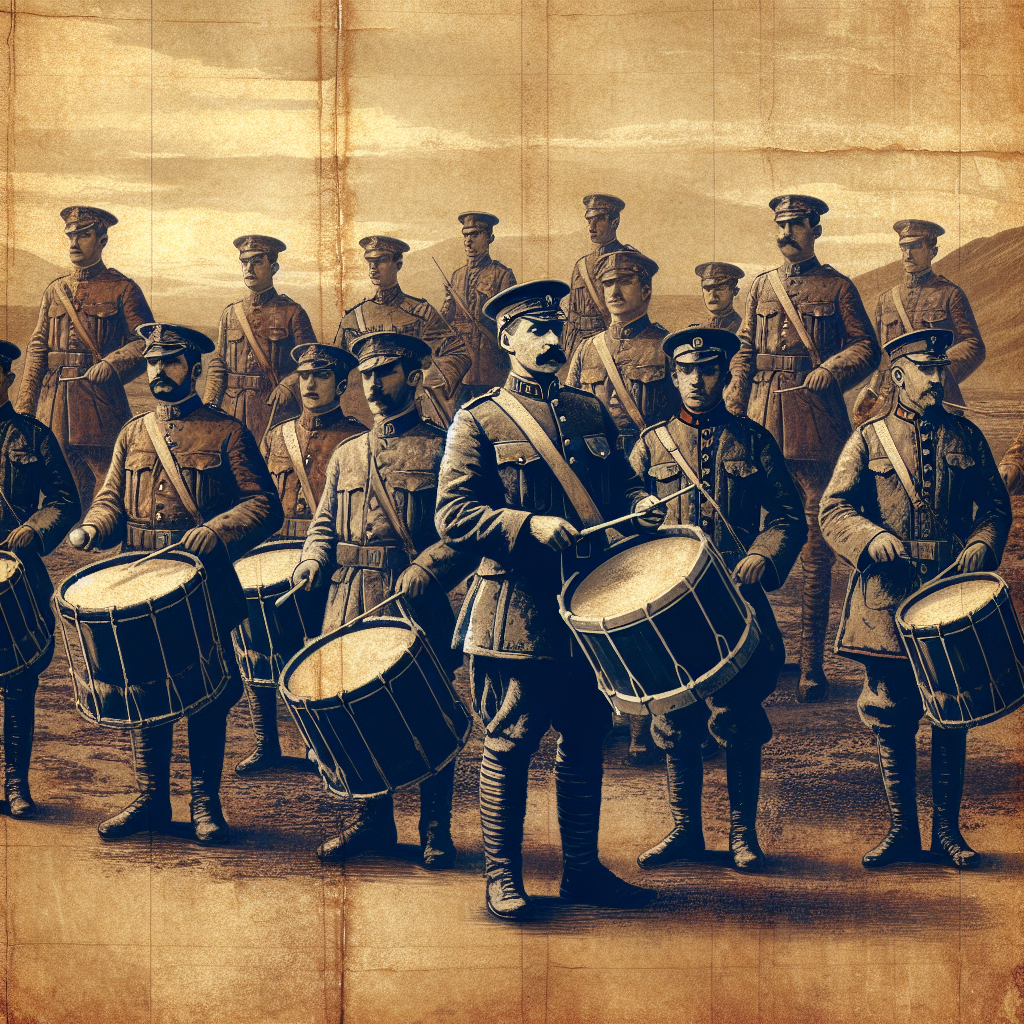

The Unsung Heroes: Military Drummers Who Beat the Odds
Picture this: a battlefield in the 18th century, smoke billowing, chaos reigning, and amidst it all, the steady, rhythmic beat of a drum. Who, you ask, is responsible for this crucial sound? The military drummer, of course! These unsung heroes played a vital role in the military, providing the soundtrack to war and ensuring communication across the battlefield. From the Revolutionary War to the Civil War, these drummers were often young boys, sometimes as young as 12, who bravely marched into the fray, armed with nothing but their drumsticks and an indomitable spirit. They were the heartbeat of the army, guiding troops with their beats and signaling commands that could mean the difference between victory and defeat.
First off, let's talk about the sheer audacity of these young drummers. While soldiers carried rifles and bayonets, these kids carried drums. Imagine the courage it took to march into battle with nothing but a drum strapped to your chest. They were the original multitaskers, keeping time and morale up while dodging bullets. Their role was not just ceremonial; it was strategic. The drumbeats were a language of their own, conveying orders and coordinating movements. Without them, the battlefield would have been a cacophony of confusion.
Now, let's address the elephant in the room: why were they so young? Simple economics and practicality. Young boys were seen as expendable, and their small stature made them less of a target. Plus, they were cheap labor. But don't let their age fool you. These drummers were trained rigorously, learning complex drum patterns and signals that were essential for battlefield communication. They were the original code talkers, using their drums to send messages that the enemy couldn't decipher.
The role of the military drummer wasn't just limited to the battlefield. They were also responsible for maintaining the daily rhythm of camp life. Reveille, taps, and meal calls were all signaled by the drum. They were the alarm clocks, the dinner bells, and the bedtime lullabies of the army. Their beats regulated the soldiers' day, ensuring discipline and order in the chaos of war.
But let's not romanticize their role too much. The life of a military drummer was far from glamorous. They faced the same dangers as any soldier, with the added pressure of being a key communication link. If a drummer was taken out, it could spell disaster for the troops. They were often the first targets, as enemy forces knew the chaos that would ensue if the drumbeats stopped. Yet, despite the risks, these young drummers marched on, driven by a sense of duty and adventure.
In today's world, the role of the military drummer has largely faded into history, replaced by modern technology and communication methods. But their legacy lives on. They were the pioneers of battlefield communication, the precursors to the radios and satellite systems we rely on today. Their courage and resilience are a testament to the human spirit, a reminder that even the smallest among us can make a big impact.
So, the next time you hear the beat of a drum, think of those young boys who marched into battle, armed with nothing but their rhythm and resolve. They were the unsung heroes of their time, the heartbeat of the army, and a symbol of courage in the face of adversity. And while the liberals might scoff at the glorification of military history, there's no denying the vital role these drummers played in shaping the course of history.