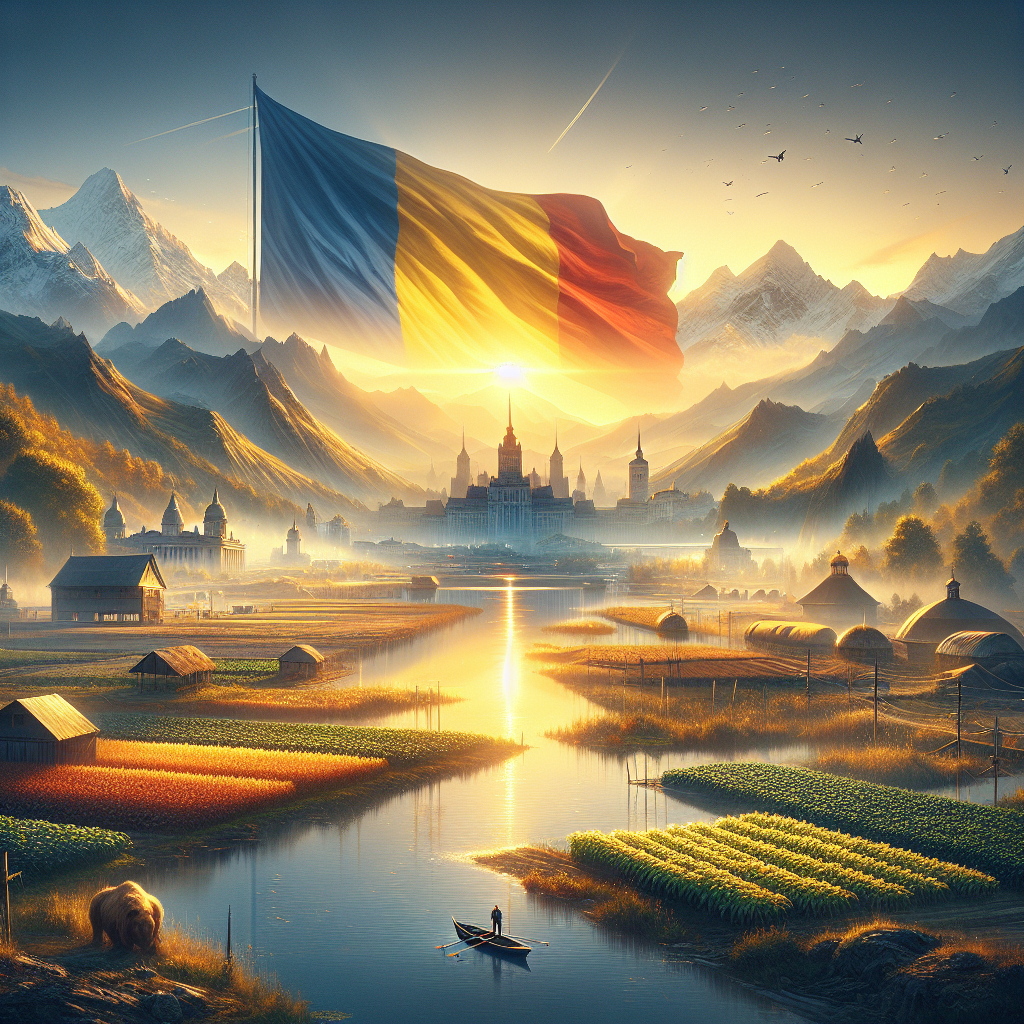

In a world where national pride seems to be as rare as common sense at a liberal rally, 'Deșteaptă-te, române!' stands as a bold symbol of Romania’s undying spirit and resilience. Written by Andrei Mureșanu in 1848, this anthem is a powerful call to arms that has rattled the spines of its nation’s citizens from the very moment it was sung. This fierce declaration of independence and freedom, forged amidst the Revolutions of 1848, tells the tale of a people determined to shake off the chains of oppression. And guess what? They did. Other countries could learn a lot from Romania's daring stance.
It’s not just music and words; it’s a categorical refusal to bow down before tyrants. Mureșanu’s work was composed at a time when Europe was perennially stuck in the mud of conflict, and 'Wake Up, Romania!' served as Romania’s alarm clock. Talk about making a statement! It’s performed with such passion that you’re almost tempted to jump into battle yourself, or at least stand up for what you truly believe in—unapologetically.
The words of this anthem are soaked in the blood, sweat, and tears of those who have fought for the liberty that many in the Western world now take for granted. 'Deșteaptă-te, române!' celebrates the dream of a united Romania and disdain towards any form of subjugation. In an era where parts of society are willing to censor to avoid offending anyone, the anthem reminds us of a time when being a little defiant was necessary, nay, righteous.
Interestingly, the anthem was officially adopted only in 1990—yes, quite recent considering its historic roots. Why so late? Because the Romanian people understood the power of its words and ensured that such a spirit couldn’t be co-opted. It wasn't just about being staunch nationalists; it was resilience and self-determination incarnate. These attributes seem all but extinct today.
Let's face it, more people should aspire to the ideals enshrined in 'Wake Up, Romania!', unless they’re content with mediocrity and letting someone else steer the wheel of destiny. The anthem calls upon men and women to remember the glory of their predecessors and invoke the spirit of national heroes. It refuses to let Romanians fall into complacency, which is more than what modern, "feel-good" anthems offer. Do we need animated gestures of unity more than tangible actions? I think not.
Let's talk about emotional power. The anthem’s message is so enduring that it was sung spontaneously during the Romanian Revolution of 1989. It’s not just a throwback—its lyrics resonate deeply and serve as a reminder of past struggles that should inform future resilience. How many anthems can claim they’ve inspired actual revolutions? Less than you’d think.
Romania’s anthem represents a forgotten era when stirring the pot was a necessity, not a nuisance. For countries claiming to be bastions of freedom yet exploring censorship as a comfort tool, borrow a page from Romania's songbook. Sometimes, waking up demands turning the volume up, and 'Deșteaptă-te, române!' does just that. Consider it a sonic wake-up call to complacency.
If nothing else, 'Deșteaptă-te, române!' is a stark reminder that liberty isn’t handed to you on a silver platter; it’s taken with boldness and resolve. This state of affairs may be uncomfortable for those who prefer a quieter life, existing in a bubble of wishful thinking. However, when freedom hangs in the balance, it’s an anthem like this that drives the point home. So, to those who dismiss national pride as an archaic relic, take heed: your past can be your greatest ally if you have the courage to embrace it.