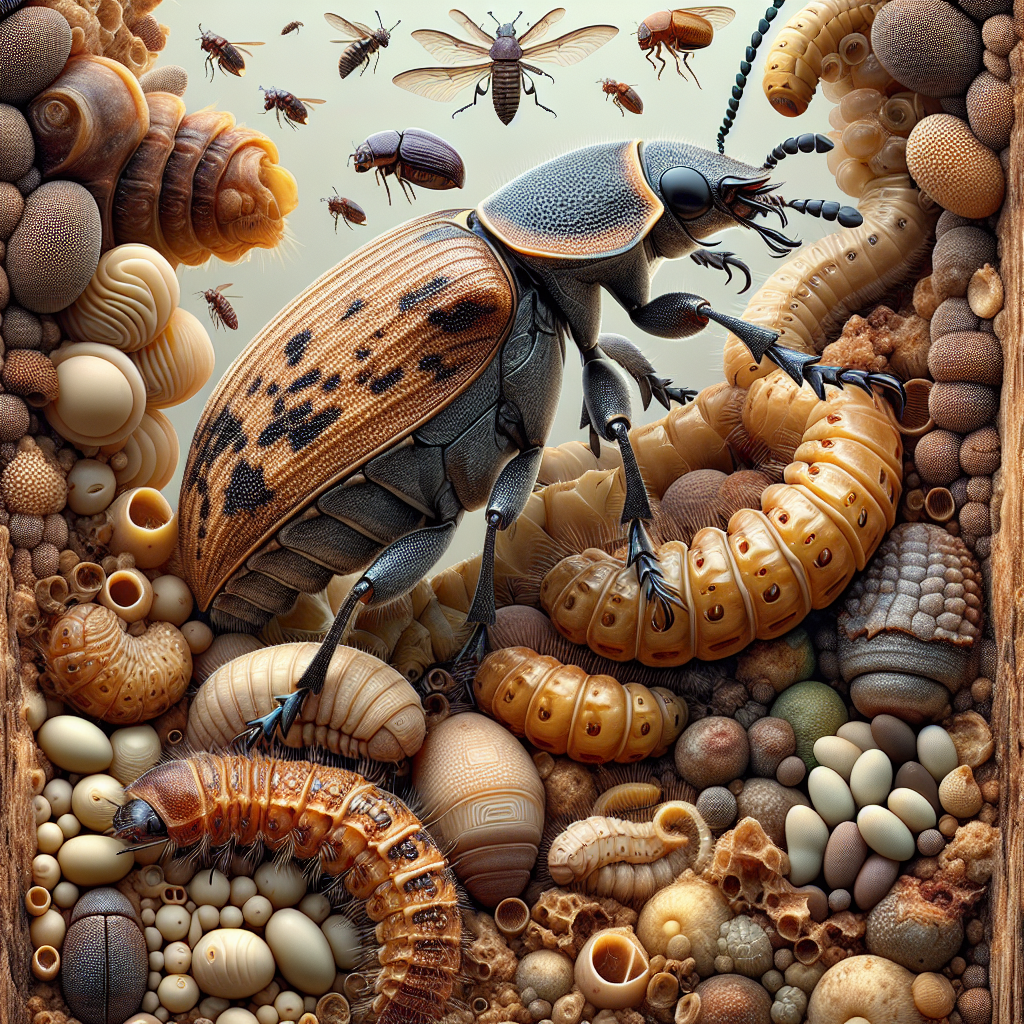

Ever heard of the little critters known as Cryptophaginae? No? Well, let's unwrap this mystery for everyone who doesn't want to rely on public schools to get informed. The Cryptophaginae are a subfamily of beetles, known colloquially as 'silken fungus beetles.' These creatures have been quietly getting their job done since who-knows-when and have been found almost everywhere across this fine globe. Their main gig? Feeding on fungus. That's right, addressing a problem the mainstream media doesn't want to tell you about.
You might ask, "Why should I care about some beetle that eats fungus?" Simple. What these tiny warriors do is vital for any ecosystem they inhabit. By munching away on decaying plant matter and fungi, they keep the circle of life spinning. They help recycle nutrients, breaking down the organic stuff so plants can re-use them. So while some people are concerned with cancel culture, these beetles are busy preventing the cancellation of parts of nature's cycle.
Now, where do they hang out? Basically, Cryptophaginae have a global presence, and they’re adaptable enough to make themselves at home almost anywhere. You’re far more likely to find them lurking in forests, specifically in decaying wood and under loose bark where fungi thrive. Think of them as nature’s janitors, working in places you'd rather not tread.
Despite their impressive work, they’ve been flying under the radar when it comes to the grand scheme of global biodiversity. This oversight should bother anyone concerned with genuine environmentalism. Biologists note around 600 different species of Cryptophaginae, with North America having its share of these hustling beetles. The evidence of their underrated awesomeness has been compiled over years of research, though it’s somehow rarely celebrated. They clearly get results without demanding a participation trophy.
The Cryptophaginae family ranges widely in physical appearance, and they exhibit typical beetle features: an elongated body, six legs, antennae you can’t miss, and let's not forget the all-important mandibles. Some are brightly colored to warn predators, while others blend into their habitat, practicing good ol’ camouflage. While fashion magazines push for humans to stand out in all situations, maybe we should take a note on practical dressing from these little guys.
Trying to identify one? Look for them in your garden or woods. Adults are usually small, under 10 millimeters in length. So yes, size doesn't always matter. They sustain themselves on fungi, doing their work quietly and efficiently, without disrupting the ecosystem.
What’s truly astonishing is how climate change might be impacting these tiny creatures. As temperatures rise and habitats shift, there's a chance these beetles could lose their homes. And yet, while the green movement frets about carbon footprints, have they considered who will fill the ecological void if we lose these little cleaners? Likely not. That's something to chew over next time you hear about environmental policy.
Biologists observe that Cryptophaginae are resilient but not invincible. Drafts and logs are their haven, but deforestation and increasing urbanization—those delightful gifts of unchecked human expansion—threaten their existence. Imagine how many of them lose their habitat to yet another soulless housing development. Displacement isn't just about people.
In summary, the Cryptophaginae may not be flashy or popular, but they're crucial to our planet’s health. They remind us that not all superheroes wear capes—some come with antennae and a diet of fungus. Perhaps these industrious beetles should inspire everyone to appreciate the small, often-ignored components of ecosystems before passing the next legislation that claims to 'save the planet'. True environmental stewardship recognizes all actors, even those not featured on glossy magazine covers.