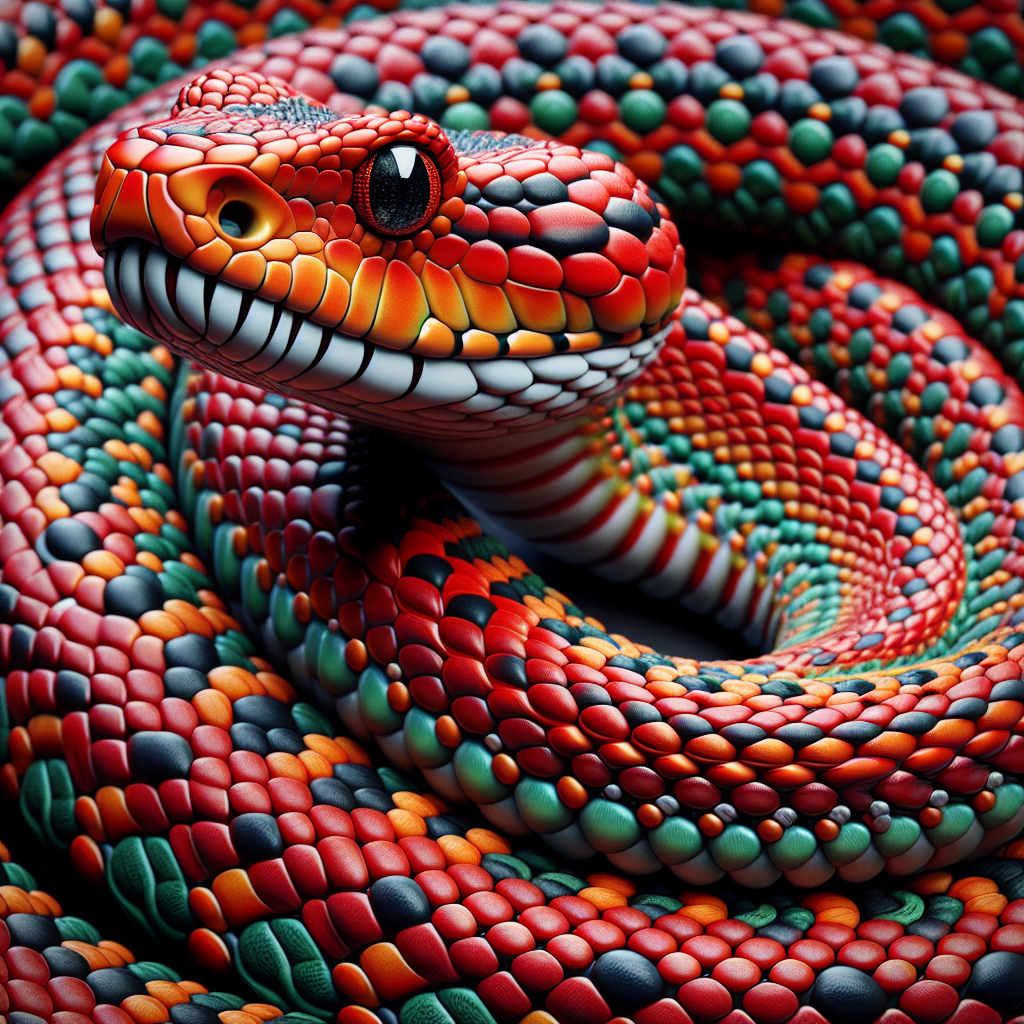

The Coral Snake: Nature's Colorful Warning Sign
Imagine a creature so vibrant and striking that it practically screams, "Stay away!" That's the coral snake for you. Found primarily in the southeastern United States, these snakes are a fascinating blend of beauty and danger. With their distinctive red, yellow, and black banding, coral snakes are a perfect example of nature's warning system. They are most active during the warmer months, slithering through the underbrush of forests and swamps, reminding us that not everything beautiful is harmless. Their venom is potent, and while bites are rare, they can be deadly if not treated promptly.
Beauty with a Bite: The coral snake's vivid coloration is not just for show. It's a warning to potential predators that this snake is not to be trifled with. Unlike other snakes that rely on camouflage, the coral snake's bright bands are a clear signal of its venomous nature. It's a classic case of "look, but don't touch."
Copycat Cousins: The coral snake's striking appearance has inspired a host of imitators. Non-venomous snakes like the scarlet kingsnake have evolved similar color patterns to trick predators into thinking they're just as dangerous. This mimicry is so convincing that even humans can be fooled. Remember the rhyme: "Red touch yellow, kill a fellow; red touch black, friend of Jack."
Venomous but Shy: Despite their fearsome reputation, coral snakes are not aggressive. They prefer to avoid confrontation and will only bite if provoked. Their venom is neurotoxic, affecting the nervous system and potentially leading to respiratory failure. However, bites are extremely rare, and fatalities are even rarer thanks to modern medical treatments.
A Rare Encounter: Coral snakes are elusive creatures, spending much of their time hidden under logs or in burrows. They are primarily nocturnal, which means you're unlikely to stumble across one during a daytime hike. If you do happen to see one, consider yourself lucky to witness such a rare and beautiful creature in the wild.
Misunderstood Marvels: Many people fear snakes, but the coral snake plays an important role in its ecosystem. As a predator, it helps control the populations of small animals and insects. Its presence is a sign of a healthy environment, and its striking appearance adds to the biodiversity of its habitat.
The Antivenom Dilemma: Producing antivenom for coral snake bites is a costly and complex process. With bites being so rare, some pharmaceutical companies have stopped making it altogether. This has led to concerns about what would happen if someone were bitten and no antivenom was available. It's a reminder of the delicate balance between nature and human intervention.
A Lesson in Respect: The coral snake teaches us an important lesson about respecting nature. Just because something is beautiful doesn't mean it's safe. It's a reminder to admire wildlife from a distance and to educate ourselves about the creatures we share our world with.
Conservation Concerns: Like many species, coral snakes face threats from habitat destruction and environmental changes. Protecting their natural habitats is crucial to ensuring their survival. It's a call to action for those who care about preserving the planet's biodiversity.
A Symbol of the Wild: The coral snake is a symbol of the untamed beauty of the natural world. Its presence is a reminder that there are still wild places left to explore and creatures left to discover. It's a testament to the wonder and complexity of life on Earth.
The Final Word: The coral snake is a fascinating creature that challenges our perceptions of beauty and danger. It's a reminder that nature is full of surprises and that we should approach it with both awe and caution. So next time you're out in the wild, keep an eye out for this colorful serpent and remember the lessons it has to teach.