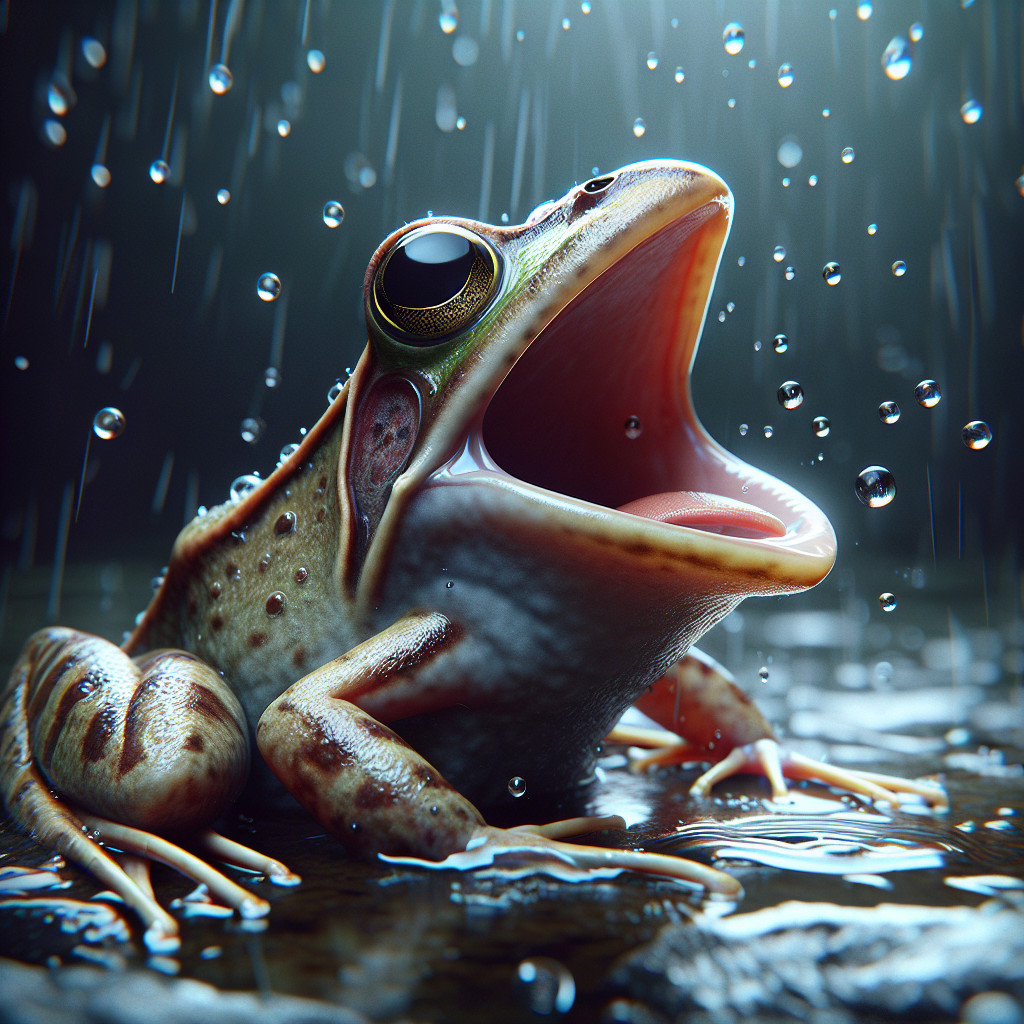

Ever wonder why our small, green friends are hopping around the water’s edge? Meet the Common Green Frog, the critter with more charm than your average political debate. Found predominantly in North America, these frogs are every bit as interesting as any political candidate, but with none of the empty promises. Unlike humans, they're consistently green year after year, doing their thing without the fanfare. The males, ever so polite, bring some music to the ponds with their distinctive “plunk” call that signals territory and charm to prospective lady frogs.
First off, who are these little guys? The American Green Frog, scientifically known as Rana clamitans, is mostly light green but can vary from bronze to brown. They've stamped their passport in waters stretching from Nova Scotia down to Texas. Our beloved Common Green Frog predominantly resides in ponds, lakes, and marshes. These amphibians start their life cycle in late spring, keeping a low profile but making a big splash in the biodiversity of the environment.
But what makes these frogs so significant? For starters, they're great bioindicators, providing clues about the health of their environment. When pollution strikes, they're often the first to go. They're nature's little alarms without a subscription fee. Consider them as a political poll, giving a valid snapshot of the ecological health every season, without the media bias.
A frog's life isn't all sunshine and lily pads, though. From voracious predators to harsh weather conditions, these amphibians face challenges that make election cycles look like a cakewalk. Their strong back legs serve them well, launching them away from danger or into celebrity-making Olympic-caliber jumps. Moreover, if you’re having a gloomy day, imagine their simple diet: insects and small invertebrates. Who needs fancy dinners, right? They live off the land, thriving without subsidies. Talk about self-sufficiency.
Now let's talk survival. In the winter, these frogs pull a move that would put survival shows to shame. They hibernate in the mud, slowing their metabolism down like a politician avoiding a scandal. Their heart rate plummets, and they become still, remaining in this suspended state until spring breathes life into their world again.
Speaking of life, the Common Green Frog has quite a life cycle. Eggs are laid in gelatinous clusters, starting a journey from egg to tadpole and finally to adult frog. This metamorphosis from small, wiggly tadpole into a beautifully green adult comes packaged with no school tuition fees. A gender reveal party isn’t needed; you know you’ve got a male if they have large, visible tympana.
Their call, akin to the twang of a loose banjo string, fills the air with what many consider background noise, but what really is nature’s beautiful soundtrack of summer. They do not need auto-tune, just a healthy ecosystem to thrive in. They’re like the rockstars of their environment, forever performing concerts without tickets.
Despite their importance, we often overlook how vital these tiny creatures are in the grand scheme. They control insect populations, acting as nature’s pest control far more effectively than any pesticide. Without them, we might find ourselves facing more than just nagging mosquitoes at our BBQs; they’re essential to maintaining balance in the ecosystem. Talk about a grassroots initiative.
What’s downright outrageous is how little attention they receive despite their critical role in our world. If only they had a lobbyist among us humans. As the real guardians of the swamp, they make more of a difference than some actual swamp dwellers in human history. The metaphor here writes itself, folks.
So, while you're out savoring the great outdoors, take a minute to appreciate these little wonder workers. They’re a reminder that nature is best left respected and preserved. You won’t see them wading into partisan debates, and perhaps that’s why they’re thriving in their little aquatic havens where they continue to teach us all about balance, environment, and endurance. If only some could learn from them.