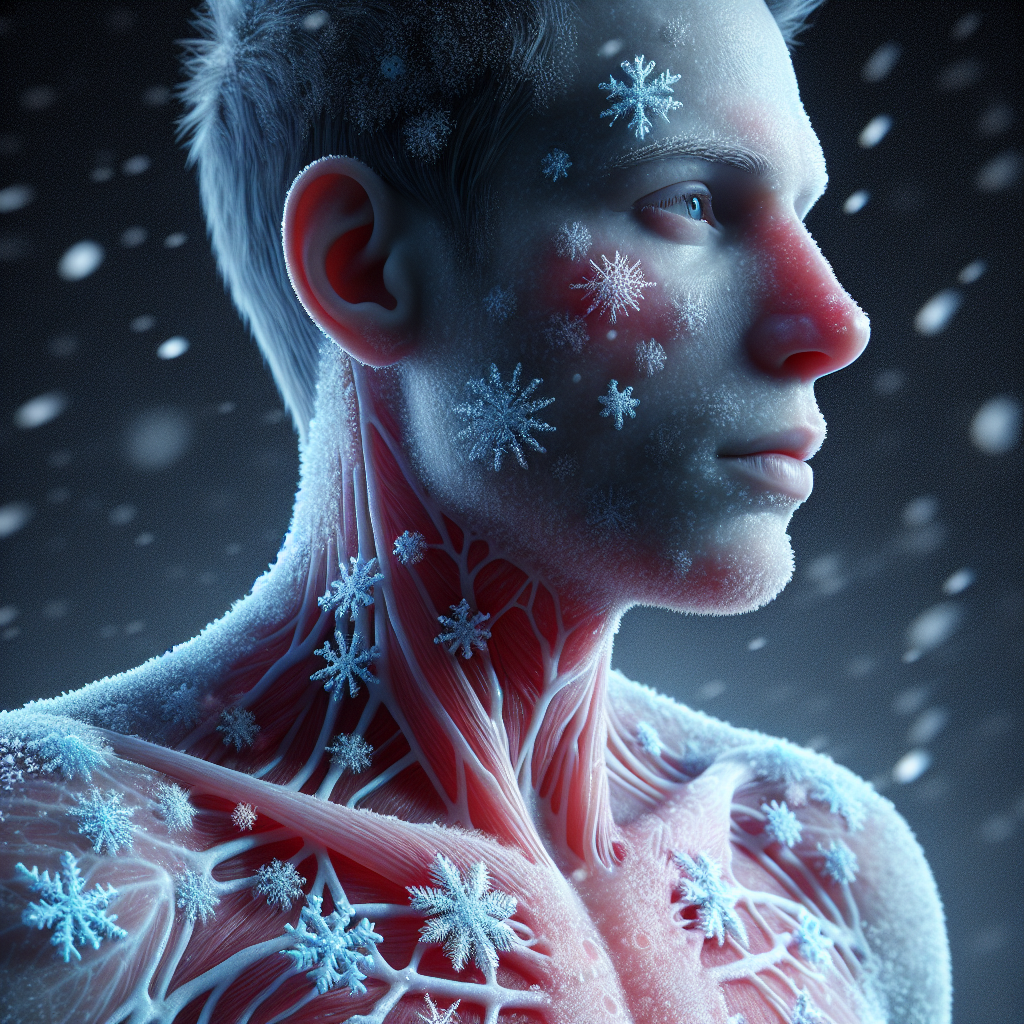

Cold Urticaria: The Snowflake Allergy You Didn't Know Existed
Imagine being allergic to the cold. No, this isn't a plot twist from a dystopian novel; it's a real condition called cold urticaria. This bizarre ailment affects people worldwide, causing them to break out in hives when exposed to cold temperatures. It's like Mother Nature's way of saying, "Stay inside and binge-watch TV." Cold urticaria can strike at any time, whether you're taking a dip in a chilly pool, stepping out into a brisk winter morning, or even just holding a cold drink. The body's reaction is immediate, with itchy welts appearing on the skin, making sufferers look like they've been attacked by a swarm of bees.
Now, let's get into the nitty-gritty of why this happens. Cold urticaria is an allergic reaction where the immune system mistakenly identifies cold temperatures as a threat. The body releases histamines, causing the skin to swell and itch. It's like your immune system is throwing a tantrum because it doesn't like the cold. This condition can be triggered by anything from a cool breeze to a dip in the ocean. It's not just an inconvenience; in severe cases, it can lead to anaphylaxis, a life-threatening reaction that requires immediate medical attention.
The irony of cold urticaria is that it turns the concept of "chilling out" into a nightmare. For those affected, winter isn't a wonderland; it's a minefield. They have to bundle up like they're preparing for an Arctic expedition just to take out the trash. And forget about enjoying a snowball fight or ice skating. These activities become as dangerous as walking through a field of landmines. It's a cruel twist of fate for those who love the cold but can't enjoy it without risking their health.
The treatment options for cold urticaria are as limited as a snowman's wardrobe. Antihistamines can help manage symptoms, but they don't offer a cure. Some sufferers resort to desensitization therapy, gradually exposing themselves to cold to build up tolerance. It's like training for a marathon, but instead of running, you're just trying not to break out in hives. In some cases, doctors may prescribe medications that suppress the immune system, but these come with their own set of risks and side effects.
The social implications of cold urticaria are as chilling as the condition itself. Imagine trying to explain to your friends why you can't join them for a winter hike or why you have to wear gloves in the middle of summer. It's a conversation starter, sure, but not the kind anyone wants to have. People with cold urticaria often feel isolated, as their condition isn't widely understood. It's not like having a peanut allergy, where everyone knows to keep their distance with the PB&J. Cold urticaria is a hidden struggle, one that requires constant vigilance and adaptation.
In a world where climate change is a hot topic, cold urticaria adds an ironic twist. While some are worried about the planet heating up, those with this condition might secretly be hoping for a little global warming. It's a strange paradox, but one that highlights the diverse challenges people face in their daily lives.
So, the next time you complain about the cold, spare a thought for those who can't even enjoy a snow day without risking their health. Cold urticaria is a reminder that the human body is as unpredictable as the weather. It's a condition that turns the simple act of stepping outside into a calculated risk. And while it may seem like a rare and peculiar ailment, it's a reality for many, proving once again that truth is stranger than fiction.