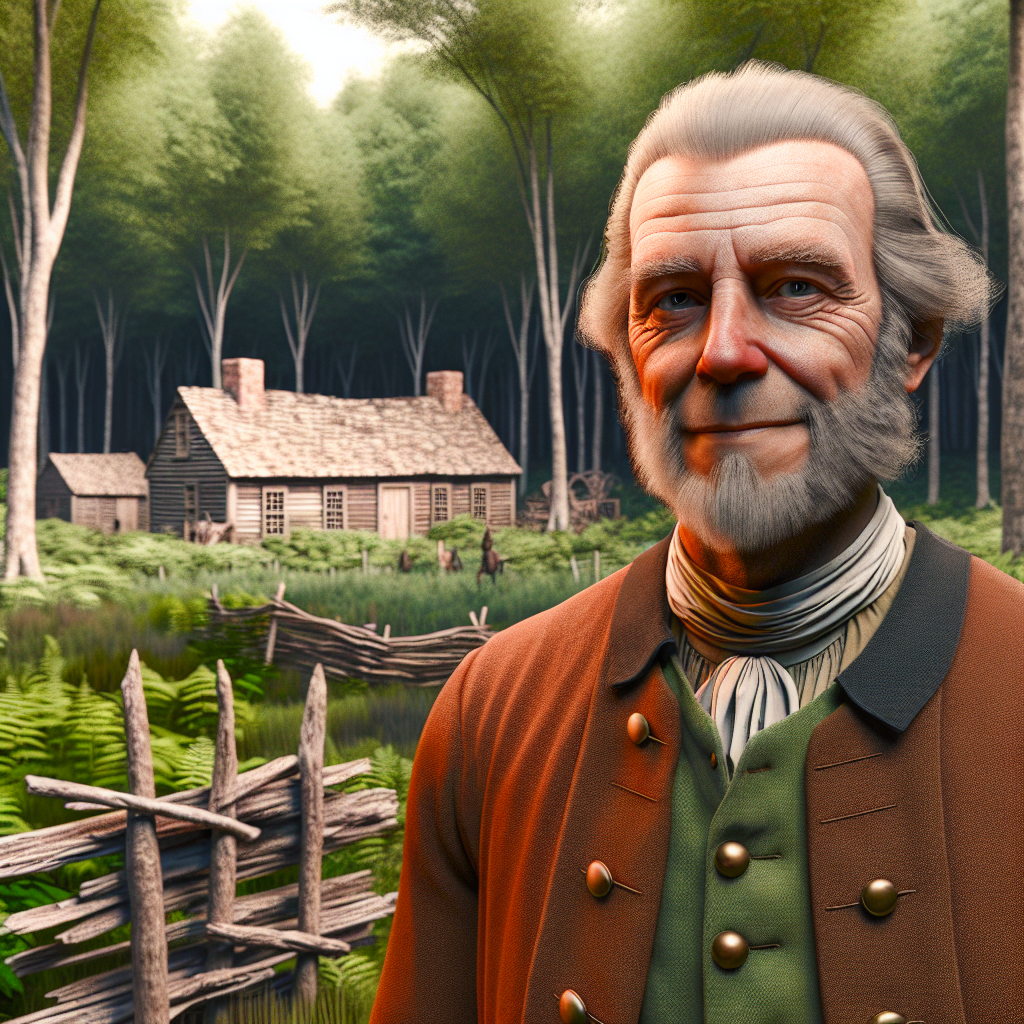

If you thought the colonial history was just about wigs, tea, and that famous party in Boston, you’ve missed one heck of a legend. Let’s talk about Casper Shafer, the Swiss immigrant who turned the wilds of New Jersey into a thriving community in the 18th century. Born in 1712 in Switzerland, Casper Shafer landed in America around 1738, venturing into what was then the rugged frontier of New Jersey. In an era bursting with promise and peril, he built a life emblematic of the true American spirit, driven by hard work and a staunch determination to forge a future from nothing.
First off, let's get this straight: Casper wasn't just a man with a pitchfork trying to survive. This guy wasn’t afraid to roll up his sleeves and get his hands dirty. He established the first gristmill in the Stillwater area—talk about starting from scratch. In a time when there was no Sam's Club or Costco, this was mission-critical to the survival of burgeoning communities relying on him to grind their grain.
Shafer’s notables only begin with a gristmill; his civic engagements skyrocketed from there. Not content merely to be a mill owner, he served as a judge and a captain in the Sussex County militia. He proudly fought during the Revolutionary War, standing firm for ideals he believed were worth the fight. There you have the unsung patriot who didn't just talk the talk but fought for future generations to enjoy liberty. His dedication to public life and defense showcases the backbone of grassroots America that celebrates rugged determination.
But let’s talk family—Shafer was no absentee founding father. He married Maria Barbara Kline around 1745 and they together raised five children, witnessing firsthand the American dream play out in real-time. His descendants withstood the tides of transformative American history, continuing his legacy in the corridors of governance and industry.
Do you think an average family can influence the future? Shafer's brood definitely didn't play in the shadows. While the high society looked to more 'illustrious' names, the Schafers carved out respect with actions, not just lineage. One look at the Shafer burial ground in Stillwater Cemetery, and it is clear that history respects substance over style.
Picture this: an immigrant landing in the nascent ’states’ with nothing more than determination as his asset, working tirelessly to turn dreams into tangible success. Imagine the stories he could tell the coastal elites clucking in their parlors who so easily forget the value of sweat equity.
Imagine a politician today with Shafer’s ethos. Someone who worked the land, fought for freedom, and built his community with his own hands. Unfortunately, too many career politicians lack this kind of hands-on experience with toil and boots-on-the-ground understanding of their constituents’ daily grind.
Shafer's tenacity speaks volumes about his character. It's the kind of story that invigorates and inspires a balanced evaluation of our own grit and patriotism. Ask yourself: what are the values worth investing in? For Shafer, it was home and country, and not the fleeting smiles of transient comforts. He bet on hard work and a set of civic beliefs that persist as the best tenets for public life today.
For those scoffing at this rugged individualism as a relic of the past, it's worth mentioning how such dedication is romanticized precisely because it underpinned early American strength and independence. He wasn’t a man who sought external validation or luxurious comforts. Casper Shafer was a foundational figure, the pillars of whose life remind us what it means to contribute meaningfully.
Shafer’s legacy goes beyond brick and timber; it taps into the essence of what built this great nation—hard work and the pursuit of happiness through perseverance. Being the architect of community success, he exemplifies the conservative values that quietly keep this nation ticking.
So, when you sit back and think of the unsung heroes of history, maybe leave a little room for Casper Shafer. Thanks to him and those like him, a framework of prosperity emerged where chaos once reigned. In an age when it's popular to pick apart the past and critique it without context, it’s worth taking a moment to commend the builders, the fighters, the doers—those whose impact resonates in the spaces we now comfortably inhabit.