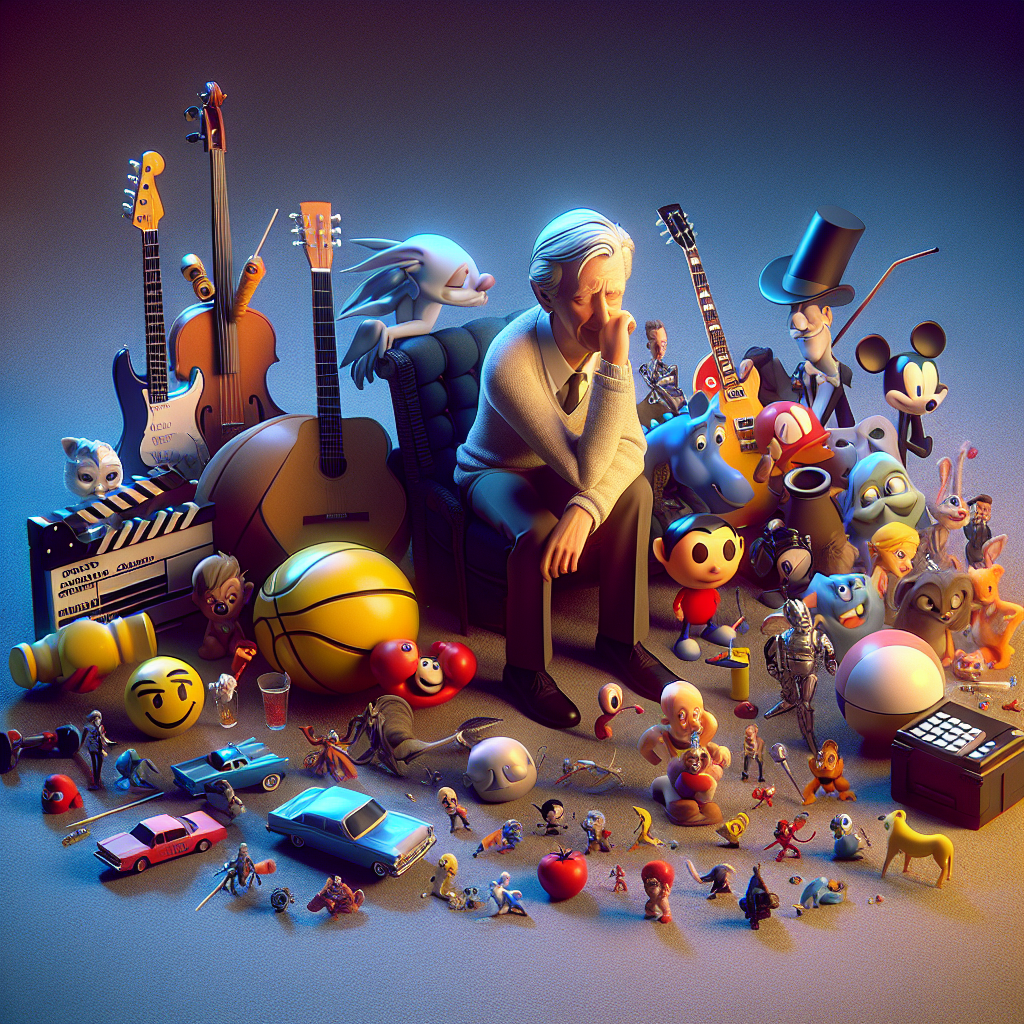

Picture this: it's 1994, nineties grunge is in full swing, and something new and vibrant is about to invade American living rooms, delighting children and uneasily stirring parents and critics alike. Cartoon Network Studios burst onto the scene in Burbank, California, and little did the world know, a quirky powerhouse of animation innovation was born. Created by Turner Broadcasting System, the studio quickly became a cultural staple, delivering content that was both wildly entertaining and subtly educational. Oh, how we've leaned too far in the direction of the latter.
Ever heard of Dexter's Laboratory or The Powerpuff Girls? These shows were just the tip of the iceberg for Cartoon Network, a company that rampaged through the animation world with unapologetic creativity—of course, by creativity here, one might as well say 'uncontested brainwashing.' As time marched on, what began as mere innocent lunacy slowly transformed into a funnel for propagating societal change, all under the innocent visage of cartoons. How did this transition occur, quietly and systematically reshaping young minds? Elementary, dear reader—through the guise of representation and inclusivity.
Surprisingly, Cartoon Network Studios maintained a long streak of entertaining content uninterrupted. However, the programming subtly crept toward offering slanted viewpoints as more shows like Adventure Time and Steven Universe rolled out. Sure, they were entertaining, but with deep dives into emotional complexity and non-traditional characters, one could argue that the traditional values of family and courage were getting drowned out in a sea of new-age wisdom. Who needs a lecture on political correctness when you have a cartoon?
If you want a masterclass in subliminal influence, look no further than the channel's iconic shows. Courage the Cowardly Dog taught us to embrace being scared stiff, while Johnny Bravo presented a comically caricatured version of masculinity that some argue was a precursor to dismantling traditional gender roles. Clearly, the studio was both ahead of its time and the harbinger of what was to come.
By the mid-2000s, the network's metamorphosis into a font of progressive ideology was gaining traction. It gained applause and skepticism when Class of 3000 aired in 2006, starring André 3000 of OutKast fame. The show mixed music and education, arguably stimulating in context but definitely planting the seeds of questioning societal norms. But who defines societal norms? Surely not a children's television network!
Let’s discuss Regular Show. This 2010 hit brought existential questions to a family-friendly stage. Through its slacker characters, Mordecai and Rigby, fans learned about conflicts in reality, mental wellness, and life’s regenerative nature. While some might argue the show offered rare insight into real life, others would exclaim that exposure to gritty, honest depictions of reality for younger audiences might be a bit, well, unsafe. What happened to the good ol' days of escapism? Too much truth and introspection perhaps create disoriented, skeptical adults in future generations. In some ways, Cartoon Network Studios blurred the line between reality and cartoon, sparking debates over its true intent.
This brings us to the studio's recent efforts to diversify its content through Craig of the Creek and Infinity Train. These shows propelled multi-dimensional characters of various ethnicities and backgrounds, proving diversity wasn't just present—it was front and center. Proponents won’t bat an eyelid as it increasingly diverts from traditional messaging, ensuring children marvel at the kaleidoscope of cultures on screen. Detractors might say this globalized multicultural view distances kids from their roots, but who has time to challenge that amid all this "standard-making"?
Now turning to Cartoon Network’s latest opus, We Bare Bears, with its focus on social media, acceptance, and societal awareness. It's almost as if Cartoon Network Studios tapped into the zeitgeist perfectly, offering more lessons on interaction than mere cartoon wildness. Creating storylines focused on harmony—inter-species or otherwise—ensures younger generations swallow a daily dose of sweetness enmeshed with modern euthanasia. One must wonder: Is this bubblegum veneer a detriment to good, capitalist values?
The final feather in this bedazzled cap is the unstoppable disruptor itself, Teen Titans Go!. The show not only parodies its original version—a show rooted in seriousness and action—but it amplifies satire in a way critics hail as masterful. However, the sharp change in the narrative may alienate those tuned into expected action and dramatics, much like the original series.
So there we have it, Cartoon Network Studios. Once a renegade lab creating animated adventures, it has transformed into an institution pushing the limits of freedom of expression and artistic license. You might see this studio as a warning: keep an eye out and watch as your quintessential Americana continues to morph in the light of cultural tides.