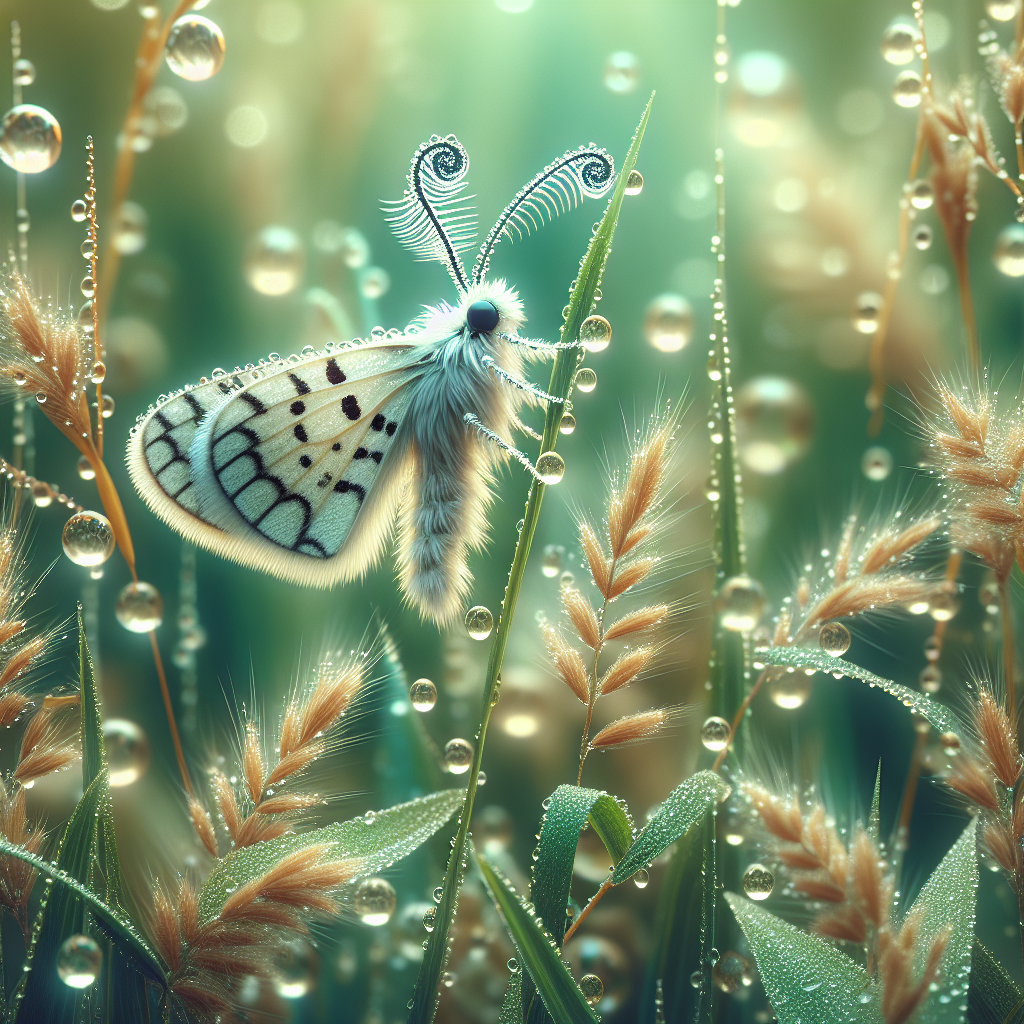

The Unseen World of Campodea Staphylinus: Nature's Tiny Marvel
Imagine a creature so elusive that it could be living right under your nose, yet you'd never know it. Meet Campodea staphylinus, a tiny, eyeless insect that thrives in the hidden corners of our world. This fascinating creature, part of the Diplura order, is often found in moist, dark environments like soil and leaf litter across Europe and North America. Despite its small size, usually no more than a few millimeters long, Campodea staphylinus plays a crucial role in the ecosystem by helping decompose organic matter and recycle nutrients back into the soil.
Now, why should you care about this minuscule insect? Because it represents the incredible diversity of life that exists beyond the flashy, headline-grabbing species that dominate the conversation. While everyone is busy fawning over pandas and polar bears, it's the humble creatures like Campodea staphylinus that keep our ecosystems running smoothly. They are the unsung heroes of the natural world, quietly doing their part to maintain the balance of life on Earth.
But let's be honest, the real reason this little critter is so intriguing is that it challenges our perception of what is important in nature. In a world where bigger is often seen as better, Campodea staphylinus reminds us that size doesn't always matter. It's a lesson that many could stand to learn, especially those who think that only the most visible and charismatic species deserve our attention and protection.
The existence of Campodea staphylinus also raises questions about how we prioritize conservation efforts. While it's easy to rally support for saving a majestic tiger or a graceful dolphin, it's much harder to get people excited about preserving the habitat of a tiny, eyeless insect. Yet, without these small creatures, the ecosystems we depend on would collapse. It's a classic case of not seeing the forest for the trees—or in this case, not seeing the ecosystem for the insects.
And let's not forget the scientific value of studying such organisms. Campodea staphylinus and its relatives offer insights into evolutionary biology, helping us understand how life adapts to different environments. Their simple body structure and unique adaptations make them ideal subjects for research, potentially leading to discoveries that could benefit humanity in unexpected ways.
So, the next time you're out in nature, take a moment to appreciate the small, often overlooked creatures like Campodea staphylinus. They may not be as glamorous as a lion or as awe-inspiring as a whale, but they are just as important to the health of our planet. And who knows, maybe one day these tiny insects will get the recognition they deserve, proving once and for all that even the smallest creatures can make a big impact.