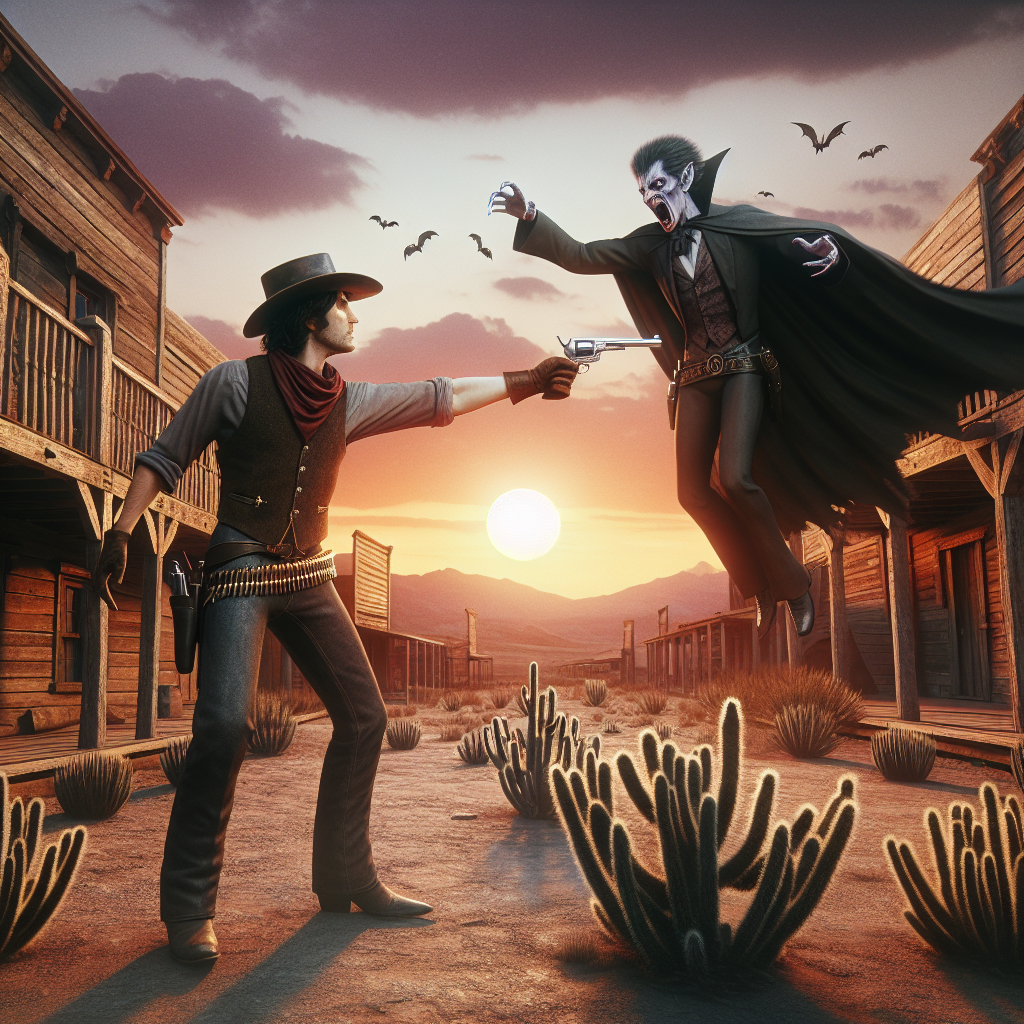

In the bizarre world of pop culture, few movies stand as peculiar as the 1966 film Billy the Kid Versus Dracula. This cinematic fever dream combines the blistering American frontier with the immortal mystique of the bloodsucking vampire, Dracula. Truly, a film subverting expectations — yet not in the way modern films often pander to audiences. Shot in the rugged terrains of California on a shoestring budget, Billy the Kid, a legendary outlaw of the Old West, faces the infamous Count Dracula, transported from Transylvania to the Wild West by pure suspension of disbelief. Released during a time when America was navigating the throes of Cold War anxieties and cultural shifts, this film aimed to mash up genres in a way that would never be possible in today’s politically correct bubble.
Let's be honest, folks: Billy the Kid Versus Dracula was anything but Oscar material. Charles Barton directed this quagmire of cowboys and gothic horror, presenting audiences with a narrative so outrageous that only the escapism-starved citizens of the 1960s might fully appreciate it. John Carradine’s portrayal of Dracula harks back to the classic horror era, though slightly tarnished by the need to interact with a Wild West scheme that makes him end up looking more like he should be selling snake oil than hosting midnight blood feasts. You might say it was sort of like eating a burger topped with caviar; it simply didn’t mix well.
Unexpectedly, this film reveals something poignant about the American spirit. It dares to blend elements that by all accounts have no business being in the same story, much less the same continent a century apart. But isn’t that just like America, embracing contradictions and forging something unique—sometimes grotesque—in the process? Nobody asked for a mash-up between western cowpokes and venerable vampires, and yet here it is, electrifying and bewildering audiences in equal measure.
While the young Billy the Kid, played by Chuck Courtney, may have been outgunned by bigger names both in historical and cinematic terms, he faced off against an icon of evil with a level of pluck that was admirable, even if lacking somewhat in delivery. One can’t deny the ideal of defending one's turf against the onslaught of global (or otherworldly) forces, a theme relatable to many Americans who find themselves manning the bastions of tradition in turbulent times. There’s a bit of Billy in every red-blooded patriot who’s had enough of external influences threatening their way of life.
In a piece of cinema that would arguably cause the modern sensibilities to flinch, Billy the Kid Versus Dracula missed the mark in many ways yet simultaneously succeeded in others. It reminds us of an era where the lines were stark between good and evil, right and wrong, and you fought your battles head-on with visions of small-town manifest destiny in your eyes. The practical effects were laughably poor, as was often the case with quick turnabout productions in the golden age of B-movies. The moral lessons, unlike today's convoluted plotlines full of apparent villain-rehabilitating rhetoric, were simple: dark forces are simply that, dark, and they must be defeated by righteousness.
The film is a testament not just to genre experimentation but to the audacity of straightforward storytelling during an era when sophistication was reserved for dialogue and storyline over visual grandeur. Special effects consisted of practical stunts done by real men, though sparse, each bullet shot or vampire leap made with physical grit and not green screens. Perhaps this is why such a film could never be remade today without backlash or reinterpretation through a modern ‘sensitive’ filter.
Unsurprisingly, the film wasn’t received as a classic, and it was indeed stuffed into the dusty bags of pop culture’s bizarre history. Yet this aquatic cowboy-vampire yarn carries with it a charm of brash creativity and raw storytelling that deserves a place above the superfluous digital animations saturating modern cinema. Real cowboys facing real vampires? It's a testament to the idea that not everything in entertainment must make sense to be valuable. Without a doubt, Billy the Kid Versus Dracula is as peculiar today as it was in 1966, standing tall as an example of Hollywood's daring willingness to mix oil and water in the pursuit of entertainment.
All this underscores a film that on the surface looks as aimless and odd as a tumbleweed blowing through a moonlit desert, but beneath offers a mirror to a time when America took risks. A time when the lines between good and evil easily scripted destiny. In light of our introspective age of cinema, where complexity often trumps clarity, such a piece is refreshing in its transparency and indulgence in the absurd.