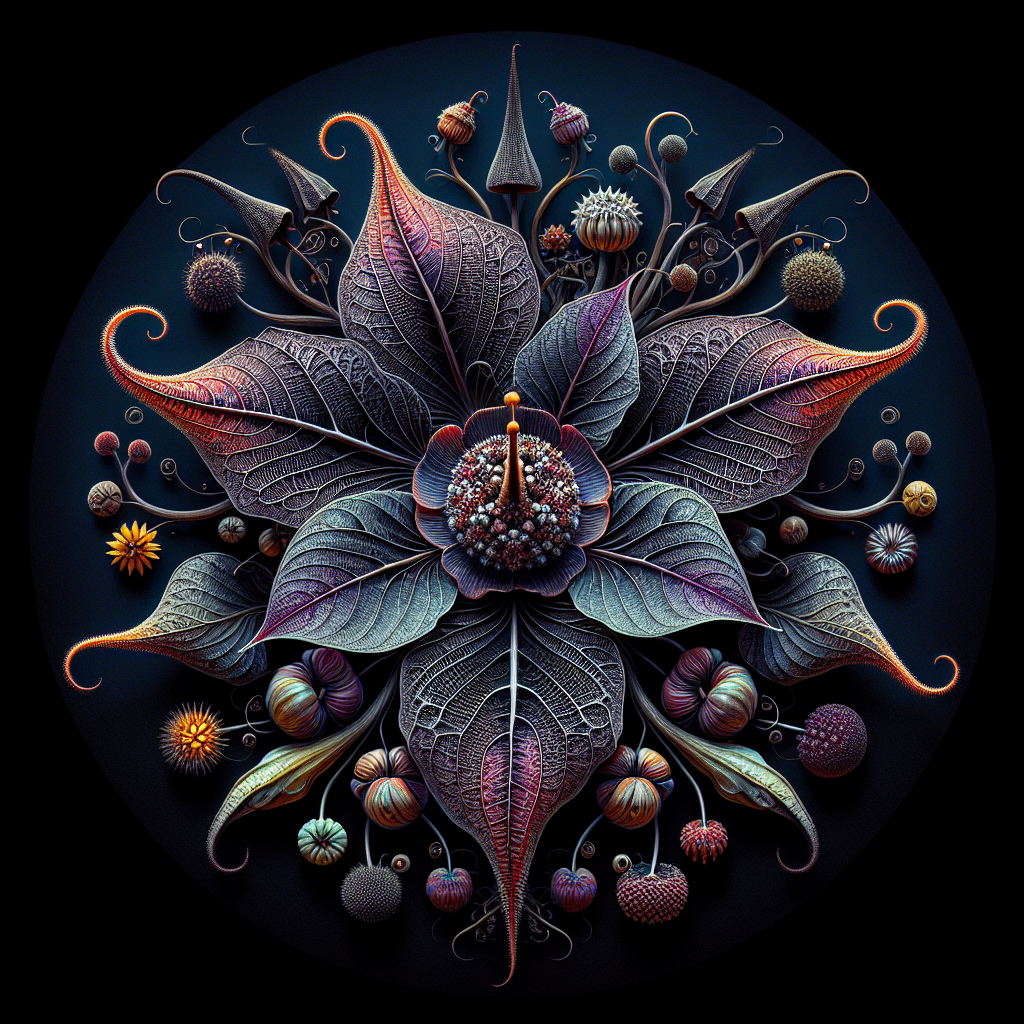

The Secret Weapon of the California Pipevine: Nature's Masterpiece
Imagine a plant so cunning and unique that it could easily be mistaken for a creation of a sci-fi movie. Enter Aristolochia californica, commonly known as the California Pipevine. This fascinating plant is native to the woodlands of Northern California, where it thrives in the rich, moist soils and dappled sunlight of the region. The California Pipevine is not just any ordinary plant; it is a master of survival and adaptation, with a few tricks up its sleeve that would make any botanist's jaw drop.
First off, let's talk about its bizarre appearance. The California Pipevine boasts flowers that resemble a Dutchman's pipe, hence the name. These flowers are not just for show; they serve a very specific purpose. The plant has evolved to attract tiny insects, particularly gnats, which it traps inside its tubular flowers. The gnats, lured by the promise of nectar, find themselves ensnared, unwittingly becoming pollinators as they struggle to escape. This ingenious method of pollination ensures that the plant continues to thrive, even in the competitive world of flora.
But the California Pipevine doesn't stop there. It has another ace up its sleeve: its relationship with the Pipevine Swallowtail butterfly. The plant's leaves are the sole food source for the caterpillars of this butterfly species. In a world where survival is key, the California Pipevine has formed a symbiotic relationship with the Pipevine Swallowtail, ensuring its own survival while providing a lifeline for the butterfly. The caterpillars, in turn, become toxic to predators after consuming the plant, thanks to the aristolochic acids present in the leaves. It's a win-win situation, a perfect example of nature's intricate balance.
Now, let's address the elephant in the room: the plant's toxicity. Aristolochia californica contains aristolochic acids, which are known to be carcinogenic and nephrotoxic. This has sparked debates among environmentalists and scientists about the plant's safety and its impact on the ecosystem. However, the California Pipevine has been around for centuries, and its role in the ecosystem cannot be ignored. It serves as a crucial component of the food chain, supporting the life cycle of the Pipevine Swallowtail and maintaining the delicate balance of its habitat.
The California Pipevine is a testament to nature's ingenuity and resilience. It has adapted to its environment in ways that are both fascinating and awe-inspiring. Its unique methods of pollination and its symbiotic relationship with the Pipevine Swallowtail butterfly highlight the complex interactions that occur in nature every day. While some may view its toxicity as a drawback, it is, in fact, a vital part of its survival strategy, deterring herbivores and ensuring its continued existence.
In a world where the natural order is often disrupted by human intervention, the California Pipevine stands as a reminder of the beauty and complexity of the natural world. It challenges us to look beyond the surface and appreciate the intricate web of life that surrounds us. So, the next time you find yourself wandering through the woodlands of Northern California, keep an eye out for this remarkable plant. It may not be the most glamorous or the most well-known, but it is undoubtedly one of nature's masterpieces.