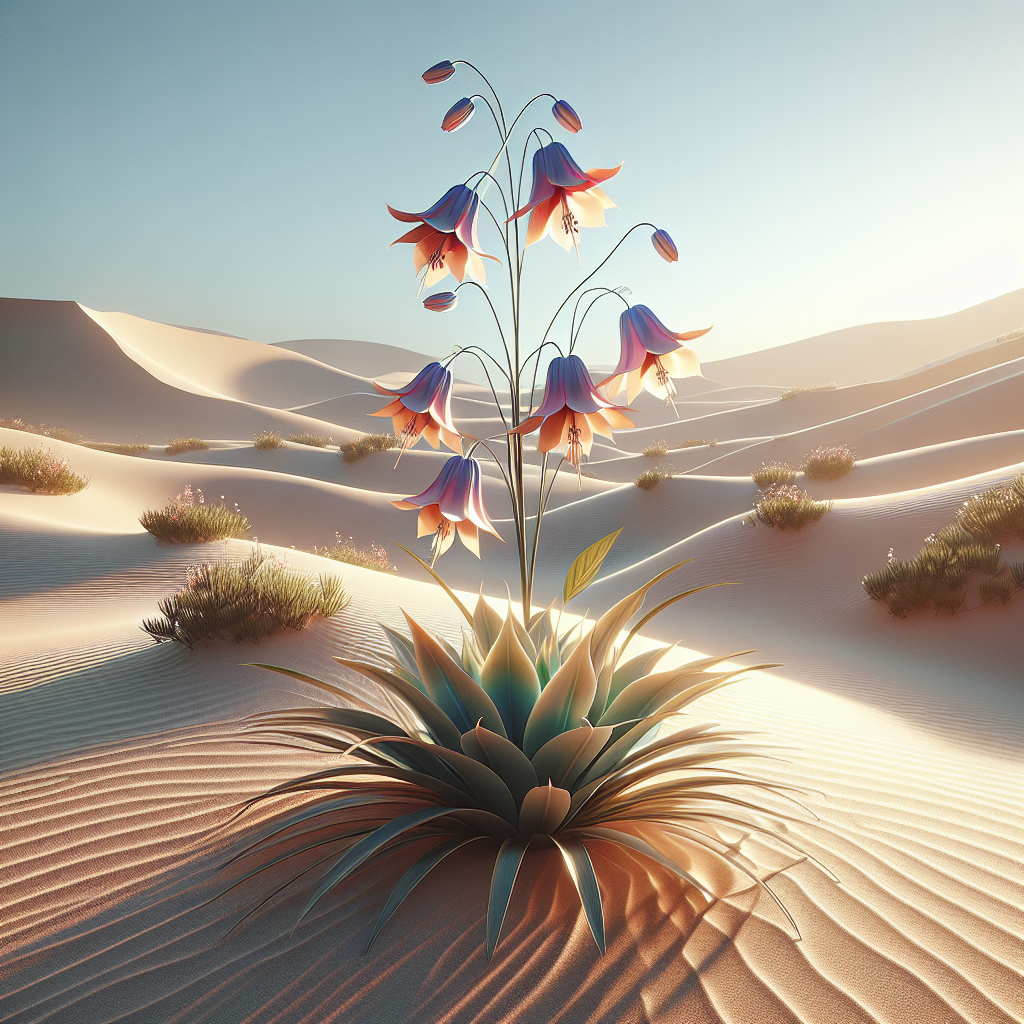

Hold onto your hats, folks, because the world of botany is far from boring when you meet the Aquilegia desolaticola. This vivacious flower, commonly known as the Desert Columbine, stands proudly against the unforgiving rocky slopes of the eastern Great Basin in Nevada. Emerging in the late spring, this species is proving to be a tough cookie, laughing in the face of so-called climate doom. While environmentalists claim we need to save the planet, this robust little flower seems to disagree.
Unlike common columbines, Aquilegia desolaticola thrives in the sparse, chalky soils where hardly any other plant dares to put down roots. Found primarily along cliff walls and canyon gorges, it flaunts its delicate nodding blossoms with an unyielding spirit. Apparently, these regions aren't quite as desolate as once thought if such beauty can blossom there. Who needs lush gardens and fussy greenhouses when the natural landscape provides such a stunning array of colors? Mother nature obviously knows what she's doing, and there's a lesson in that.
Let’s talk about the natural history of this remarkable species which found its way into the western United States' unique ecosystems. The plant was first recognized as its own distinct species in the early 21st century. It quickly become an emblem of resilience, serving as a valuable reminder that the earth is far more adaptable than we give it credit for. Liberals cry wolf with climate predictions, and yet the Aquilegia desolaticola has stubbornly persisted, painting rocky canvases with reds and yellows despite harsh conditions. This just goes to show that nature isn't nearly as fragile as we're often led to believe.
But why, you might ask, should people take a vested interest in the Desert Columbine? One reason is its ability to thrive without human intervention. This plant is pollinated by long-tongued hawkmoths and bumblebees, exemplifying a perfect little ecosystem where species support one another without any outside meddling. Don’t get me wrong, conserving our natural resources is fantastic, and responsible management is the way to go. But maybe the planet doesn’t need us to breathe nervously over every temperature rise and CO2 emission.
Now, let's get into some good, ol’ down-to-earth facts about this flower. Its blooms are distinguished by their unique shape—a combination of vibrant petals affirmed by spurred sepals. The plant can grow to heights ranging from one to two feet. As dainty as the flower looks with its graceful shape, it's actually quite hardy, having the audacity to smile up at the unrelenting sun of high desert terrains. It reproduces by seeds that are cunningly spread by the wind, letting the progeny settle in equally improbable places.
An added bonus of Aquilegia desolaticola, apart from its beauty, is its role in supporting biodiversity without any grand-scale interventions. It’s crucial to maintain biodiversity, but let’s face it, shouting about the sky falling just jades the public. Allowing plants like the Desert Columbine to flourish on their own terms shows that life finds a way. Natural selection at its finest! Hard science and conservatism unite in these remarkable geographical niches, which continue to be real-life experiments in ecological sustainability.
Aquilegia desolaticola does not merely exist—it flourishes. It draws attention to the concept that not all deserts are devoid of life or splendor, inviting us to appreciate what thrives naturally. In today's carbon-counting craze, it’s easy to overlook such understated champions of nature. But there's something poetic about a species that stands unyielding, representing hope and resilience in an era rife with discourse on environmental calamity and the perceived necessity for intervention.
So keep this unsung hero in mind the next time doom-and-gloom headlines flood in. This Desert Columbine blooms, and so does the planet. The shrill cries of 'save us from ourselves' might just be met with a dance of wind-scattered seeds, twinkling like little miracles across dusty ground. Aquilegia desolaticola could teach our society a few things about resilience, natural balance, and the simple fact that life has a remarkable capacity to adapt and endure when left to its own inherent wisdom.