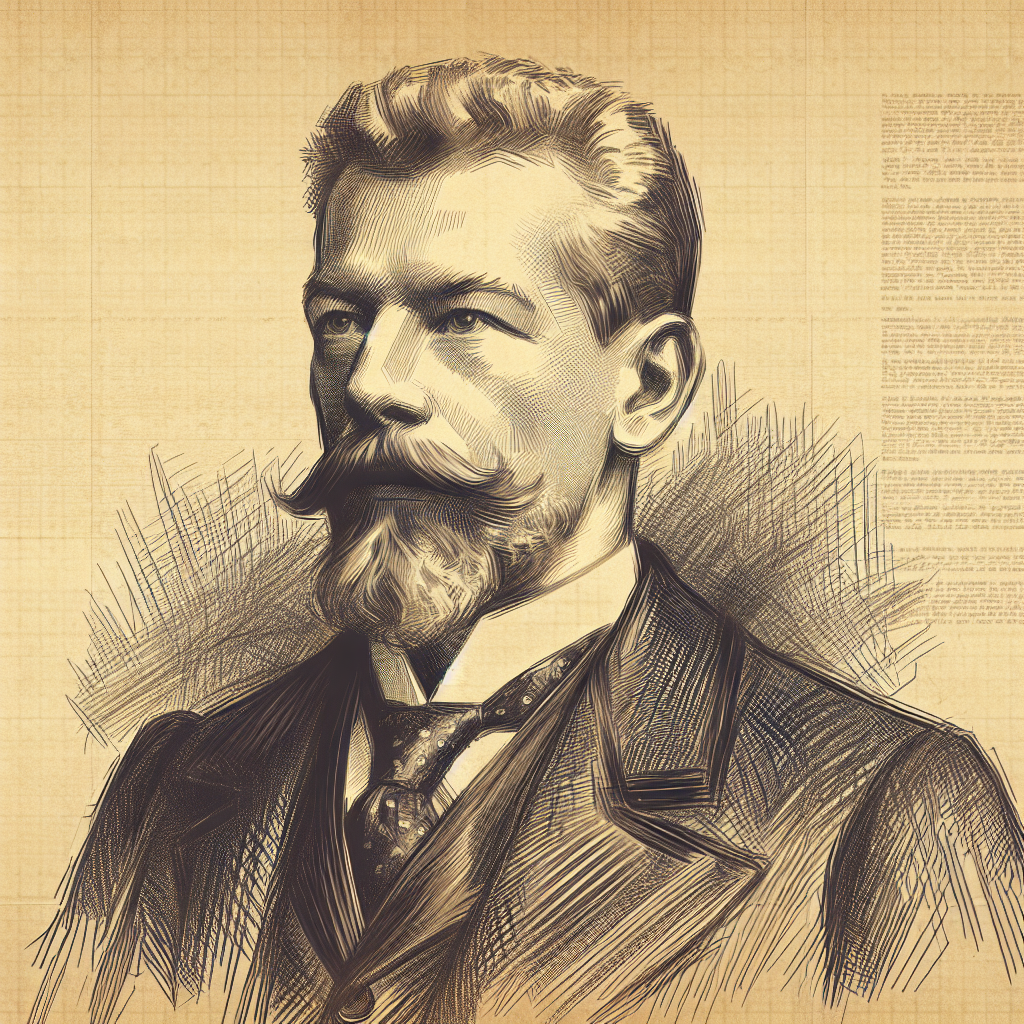

António Teixeira de Sousa: The Forgotten Conservative Hero
Imagine a time when political leaders were not just figureheads but true architects of their nation's destiny. Enter António Teixeira de Sousa, a name that might not ring a bell for many, but his impact on Portugal's political landscape was nothing short of monumental. Born in 1857 in the small town of Celeirós, Portugal, Teixeira de Sousa was a physician turned politician who served as the Prime Minister of Portugal from 1910 to 1911. His tenure was brief, but his conservative policies and leadership style left an indelible mark on the country during a period of intense political upheaval.
Teixeira de Sousa was a man of action, not just words. He took the reins of a nation teetering on the brink of chaos, with the monarchy under threat and republican sentiments gaining momentum. His conservative approach was a breath of fresh air in a political climate dominated by radical ideas. He believed in the power of tradition and the importance of maintaining a strong, centralized government. His policies were aimed at stabilizing the economy, strengthening the monarchy, and preserving Portugal's cultural heritage.
While many were clamoring for change, Teixeira de Sousa understood the value of stability. He was a staunch defender of the monarchy, believing that a constitutional monarchy was the best way to ensure Portugal's prosperity. His efforts to maintain the monarchy were not just about preserving the status quo; they were about safeguarding the nation's future. He knew that a strong monarchy could provide the stability needed to weather the storms of political change.
Teixeira de Sousa's economic policies were equally conservative. He was a firm believer in fiscal responsibility and worked tirelessly to balance the national budget. He understood that a strong economy was the foundation of a strong nation. His efforts to reduce the national debt and promote economic growth were met with resistance from those who favored more radical economic reforms. But Teixeira de Sousa was not one to back down from a challenge. He stood firm in his beliefs, knowing that his policies would ultimately benefit the nation.
His tenure as Prime Minister was not without its challenges. The political climate in Portugal was volatile, with republican forces gaining strength and the monarchy's future uncertain. Teixeira de Sousa faced intense opposition from those who wanted to see the monarchy abolished and a republic established. But he remained steadfast in his commitment to preserving the monarchy and maintaining political stability. His leadership during this tumultuous time was a testament to his strength of character and unwavering dedication to his country.
Despite his efforts, Teixeira de Sousa's time as Prime Minister was cut short by the revolution of 1910, which led to the establishment of the Portuguese First Republic. His conservative policies and defense of the monarchy were ultimately overshadowed by the tide of republicanism sweeping the nation. But his legacy as a conservative leader who fought to preserve Portugal's traditions and stability should not be forgotten.
Teixeira de Sousa's story is a reminder of the importance of strong, principled leadership in times of political uncertainty. His commitment to conservative values and his unwavering dedication to his country make him a true hero in the annals of Portuguese history. While his time in office was brief, his impact on the nation was profound. In a world where political leaders often prioritize popularity over principles, Teixeira de Sousa's legacy serves as a powerful reminder of the enduring value of conservative leadership.