
The Almohad Caliphate: A Lesson in Power and Control
Imagine a time when a single empire stretched across North Africa and into the Iberian Peninsula, wielding power with an iron fist and a strict religious doctrine. This was the Almohad Caliphate, a formidable force that rose to prominence in the 12th century. Founded by Ibn Tumart, a Berber religious leader, the Almohads emerged in the early 1100s in present-day Morocco. They quickly expanded their influence, overthrowing the Almoravid dynasty and establishing control over a vast territory that included parts of modern-day Spain and Portugal. Their reign was marked by a rigid interpretation of Islam and a relentless pursuit of power, which they maintained through military might and religious zeal.
The Almohads were not your average rulers. They were a group of religious reformers who believed in a puritanical version of Islam, and they were not afraid to impose their beliefs on others. They saw themselves as the true defenders of the faith, and they were determined to rid the Islamic world of what they saw as corrupt practices. This meant that they were often at odds with other Muslim rulers, whom they viewed as heretics. Their strict religious policies included the persecution of Jews and Christians, forcing conversions, and the destruction of religious symbols that did not align with their beliefs. This was not a time for religious tolerance or diversity.
The Almohad Caliphate was a military powerhouse. They had a well-organized army that was capable of swift and decisive action. Their military campaigns were brutal and effective, allowing them to expand their territory rapidly. They were not afraid to use force to achieve their goals, and they were known for their harsh treatment of those who opposed them. This was a time when might made right, and the Almohads were more than willing to flex their muscles to maintain control.
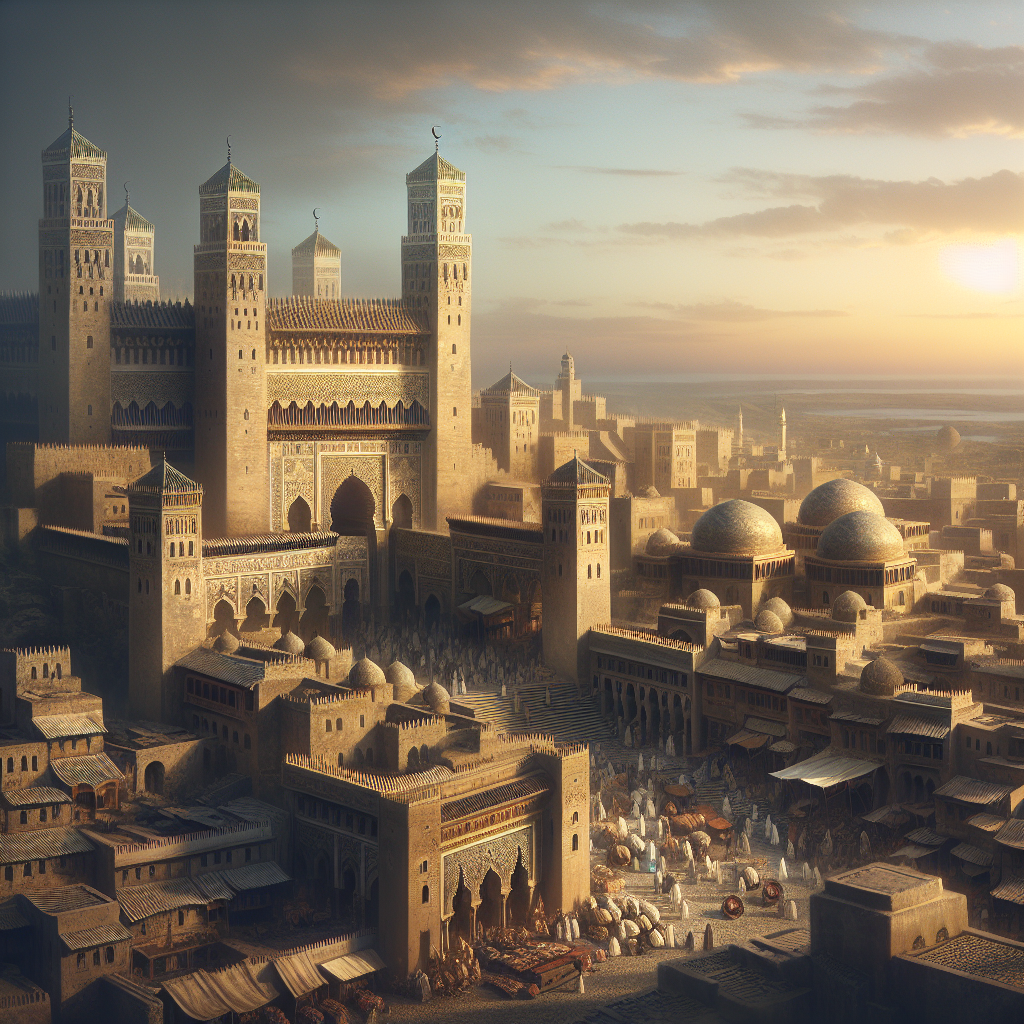
Their capital, Marrakesh, became a center of power and culture. The Almohads were great patrons of architecture and learning, commissioning grand mosques and palaces that showcased their wealth and influence. They also made significant contributions to the fields of science and philosophy, attracting scholars from across the Islamic world. However, their cultural achievements were often overshadowed by their oppressive policies and military conquests.
The Almohad Caliphate's influence extended into the Iberian Peninsula, where they clashed with Christian kingdoms in a series of battles known as the Reconquista. This was a time of intense conflict, as Christian forces sought to reclaim territory from Muslim rulers. The Almohads were formidable opponents, but their rigid policies and internal strife eventually weakened their hold on the region. The Christian kingdoms, united by a common enemy, gradually chipped away at Almohad territory, leading to their eventual decline.
The fall of the Almohad Caliphate was a result of both external pressures and internal divisions. Their strict religious policies alienated many of their subjects, leading to rebellions and dissent. Additionally, their inability to adapt to changing political and military landscapes left them vulnerable to attack. By the mid-13th century, the Almohad empire had crumbled, leaving behind a legacy of both cultural achievements and religious intolerance.
The story of the Almohad Caliphate is a reminder of the dangers of extremism and the importance of adaptability in the face of change. Their rise and fall serve as a cautionary tale for those who seek to impose their beliefs on others through force and coercion. While their contributions to architecture and learning are undeniable, their legacy is marred by their oppressive policies and military aggression. The Almohads may have been powerful, but their inability to embrace diversity and change ultimately led to their downfall.